Bolsonaro’s Official Legal Inquiry Complicates Coup Narrative, Defense Argues
Brazil’s former Attorney-General Bruno Bianco testified that ex-President Jair Bolsonaro sought legal guidance days after losing the 2022 election, asking whether challenges to Luiz Inácio Lula da Silva’s narrow victory (50.9% to 49.1%) were feasible.
This meeting, attended by military commanders and Defense Minister Paulo Sérgio Nogueira, forms a central dispute in the coup investigation.
Bolsonaro’s defense contends that consulting Brazil’s top legal advisor undermines claims of illicit intent, arguing that coup plotters typically bypass institutional channels.
Prosecutors allege Bolsonaro orchestrated a multi-pronged strategy to retain power, citing a draft decree for a “state of defense” found in ex-Justice Minister Anderson Torres’ home and the January 8, 2023, riots.
Yet Bianco’s account reveals Bolsonaro initially pursued procedural avenues, asking, “Do you see any legal problems that could be questioned?” Bianco rejected the premise, affirming the election’s transparency.
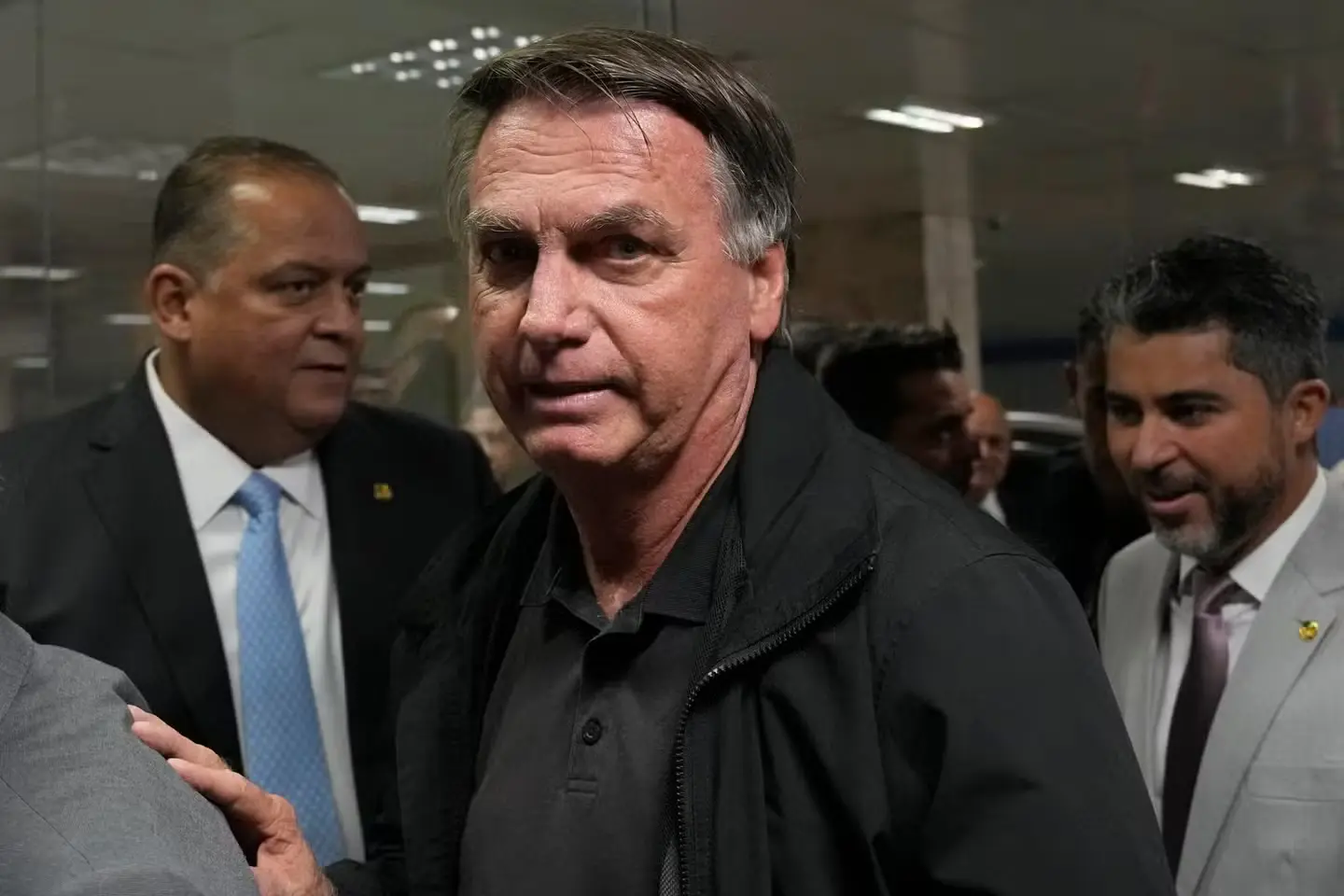
Legal scholars note that while seeking advisory opinions is routine, Bolsonaro’s simultaneous efforts to discredit electoral systems—amplified by baseless fraud claims—created fertile ground for post-election chaos.
Bolsonaro Investigation
The defense emphasizes contradictions: if Bolsonaro planned a military takeover, why involve legal officials? Why not mobilize loyal troops immediately?
Federal Police reports acknowledge that Army Commander Freire Gomes and Air Force Brigadier Baptista Júnior refused to support overturning results, with Gomes threatening Bolsonaro’s arrest if he proceeded.
Meanwhile, Navy Commander Almir Garnier Santos allegedly backed the effort, exposing fractures within military leadership. Critics counter that Bolsonaro’s actions reflect a hybrid approach: testing legal limits while encouraging grassroots destabilization.
The 884-page police dossier details coded language in messages between allies, such as discussing “emergency measures” and “restoring order.” Prosecutors interpret this as veiled coup planning, while Bolsonaro’s team argues it reflects legitimate contingency planning for civil unrest.
For businesses, the ambiguity underscores systemic risks. Markets initially stabilized post-election due to Lula’s pro-investment overtures, but prolonged legal battles over Bolsonaro’s intent could reignite volatility.
The case hinges on whether courts view his actions as reckless democratic erosion or a calculated power grab. Either outcome will test Brazil’s institutional resilience and its appeal to global capital.
More: Brazil news in English, every day from The Rio Times.
This article was produced by The Rio Times’ automated newsroom system. How we use AI · Report an error · Editorial responsibility: Matthias Camenzind, Editor-in-Chief