IBOV 208,865.27 ▲ 8.72% IPSA 11,072.62 ▲ 1.43% IPC MEX 64,531.68 ▲ 1.10% MERVAL 2,882,805 ▲ 4.16% COLCAP 2,576.14 ▲ 2.43% BVL PERÚ 59,860.04 ▲ 0.55% USD/BRL5.00▼ 4.05% USD/MXN18.09▼ 0.45% USD/CLP971.35▼ 1.93% USD/COP3,203▼ 1.57% USD/PEN3.45▲ 0.33% USD/ARS1,520▼ 0.32% USD/UYU40.34▼ 0.30% USD/PYG5,844▲ 0.40% USD/BOB11.95▲ 0.17% USD/DOP60.10▲ 0.33% USD/CRC455.71▼ 0.15% USD/GTQ7.63▼ 0.09% USD/HNL26.86▼ 0.01% USD/NIO36.62— 0.00% USD/VES869.19▼ 0.13% USD/PAB1.00— 0.00% USD/BZD2.00— 0.00% USD/JMD 157.28 — 0.00% USD/TTD6.68▼ 0.14% EUR/BRL5.61▼ 4.68% BRENT 88.88 ▼ 0.03% WTI 83.11 ▼ 0.11% IRON ORE 161.91 — — COPPER 6.61 ▲ 0.03% GOLD 4,461 ▲ 1.78% SILVER 65.59 ▲ 1.26% SOY 1,184 ▲ 3.20% CORN 480.50 ▲ 10.02% WHEAT 655.00 ▲ 3.93% COFFEE 317.25 ▼ 5.51% SUGAR 16.43 ▼ 1.79% ORANGE JUICE 138.55 ▼ 0.47% COTTON 85.03 ▲ 2.33% COCOA 5,719 ▲ 3.18% BEEF 223.60 ▼ 3.93% CATTLE 339.10 ▼ 3.16% LITHIUM 75.20 ▲ 1.47% PETR4 41.64 ▼ 0.05% VALE3 72.97 ▲ 0.83% ITUB4 38.60 ▼ 1.03% BBDC4 16.85 ▲ 0.36% ABEV3 14.89 ▼ 0.80% BBAS3 19.37 ▲ 0.47% B3SA3 14.26 ▼ 0.21% WEGE3 47.59 ▲ 0.49% PRIO3 59.14 ▼ 0.19% SUZB3 41.33 ▲ 2.35% RENT3 34.68 ▼ 0.09% AZZA3 15.89 ▼ 2.63% CSAN3 3.22 ▼ 1.83% RAIZ4 0.25 — 0.00% PCAR3 2.75 ▼ 0.36% GMAT3 3.65 ▼ 1.08% PSSA3 48.13 ▼ 0.54% CVCB3 1.33 ▼ 2.92% POSI3 3.36 ▲ 2.44% SLCE3 13.34 ▲ 0.30% NATU3 8.14 ▼ 0.73% IBOV 208,865.27 ▲ 8.72% IPSA 11,072.62 ▲ 1.43% IPC MEX 64,531.68 ▲ 1.10% MERVAL 2,882,805 ▲ 4.16% COLCAP 2,576.14 ▲ 2.43% BVL PERÚ 59,860.04 ▲ 0.55% USD/BRL 5.16 ▲ 0.01% USD/MXN 17.06 ▼ 0.24% USD/CLP 913.98 ▲ 0.04% USD/COP 3,140 ▲ 0.03% USD/PEN 3.36 ▼ 0.66% USD/ARS 1,493 ▲ 0.10% USD/UYU 40.27 ▲ 1.24% USD/PYG 5,939 ▲ 1.68% USD/BOB 11.64 ▼ 0.76% USD/DOP 58.34 ▲ 1.25% USD/CRC 445.92 ▲ 0.89% USD/GTQ 7.62 ▲ 2.21% USD/HNL 26.79 ▲ 1.57% USD/NIO 36.62 ▲ 0.69% USD/VES 762.44 ▼ 0.13% USD/PAB 1.00 — 0.00% USD/BZD 2.00 — 0.00% USD/JMD 157.28 — 0.00% USD/TTD 6.70 ▲ 0.61% EUR/BRL 5.95 ▲ 1.01% BRENT 88.88 ▼ 0.03% WTI 83.11 ▼ 0.11% IRON ORE 161.91 — — COPPER 6.61 ▲ 0.03% GOLD 4,461 ▲ 1.78% SILVER 65.59 ▲ 1.26% SOY 1,184 ▲ 3.20% CORN 480.50 ▲ 10.02% WHEAT 655.00 ▲ 3.93% COFFEE 317.25 ▼ 5.51% SUGAR 16.43 ▼ 1.79% ORANGE JUICE 138.55 ▼ 0.47% COTTON 85.03 ▲ 2.33% COCOA 5,719 ▲ 3.18% BEEF 223.60 ▼ 3.93% CATTLE 339.10 ▼ 3.16% LITHIUM 75.20 ▲ 1.47% PETR4 41.64 ▼ 0.05% VALE3 72.97 ▲ 0.83% ITUB4 38.60 ▼ 1.03% BBDC4 16.85 ▲ 0.36% ABEV3 14.89 ▼ 0.80% BBAS3 19.37 ▲ 0.47% B3SA3 14.26 ▼ 0.21% WEGE3 47.59 ▲ 0.49% PRIO3 59.14 ▼ 0.19% SUZB3 41.33 ▲ 2.35% RENT3 34.68 ▼ 0.09% AZZA3 15.89 ▼ 2.63% CSAN3 3.22 ▼ 1.83% RAIZ4 0.25 — 0.00% PCAR3 2.75 ▼ 0.36% GMAT3 3.65 ▼ 1.08% PSSA3 48.13 ▼ 0.54% CVCB3 1.33 ▼ 2.92% POSI3 3.36 ▲ 2.44% SLCE3 13.34 ▲ 0.30% NATU3 8.14 ▼ 0.73%
since 2009
Monday, October 5, 2026

Brazil Business - Brazil

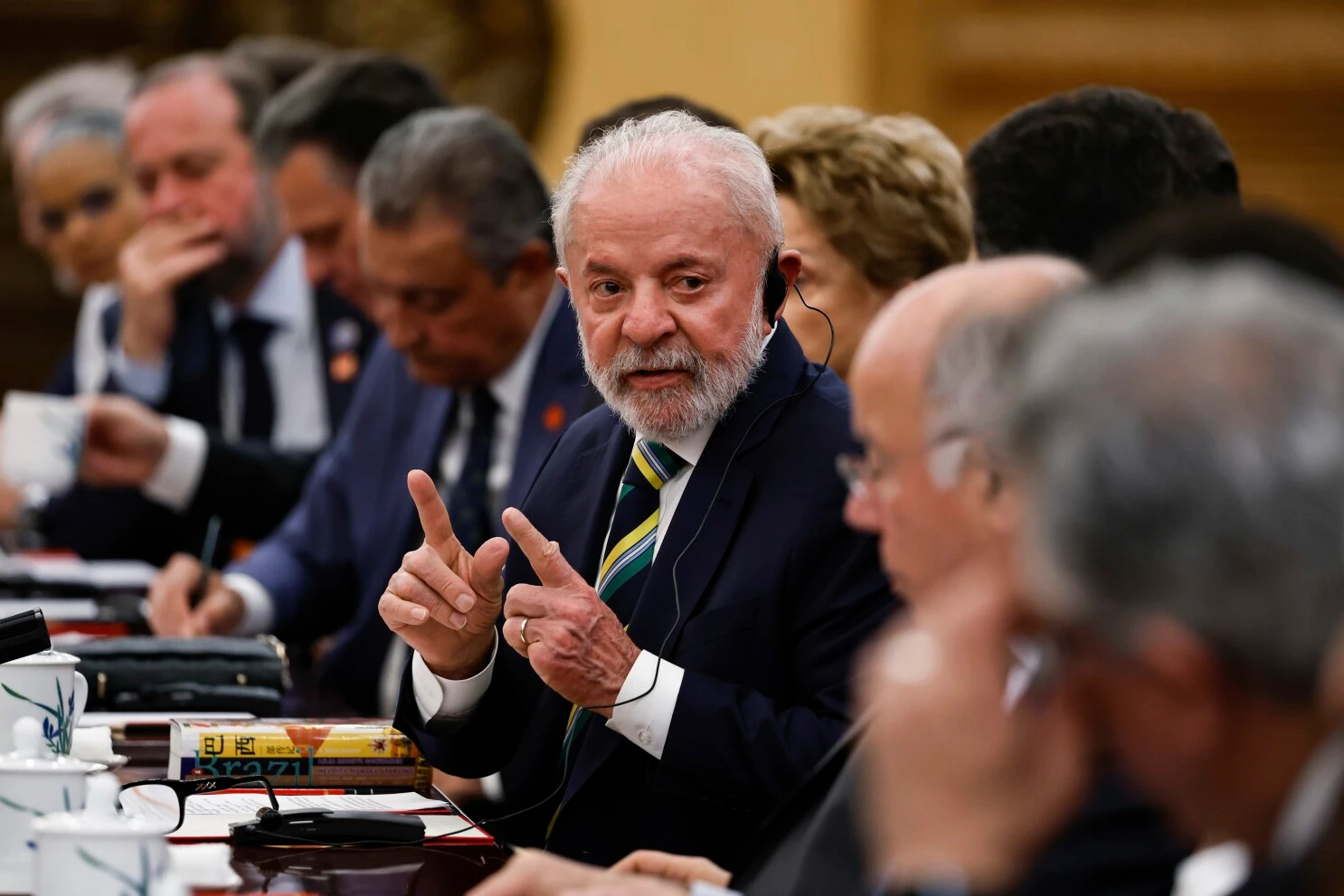
Political Appointments in Brazil’s State Companies Rise Sharply Under Lula

By · June 25, 2025 · 3 min read

Since January 2023, Brazil’s government has created 273 new political jobs in state-owned companies. Official records show these positions now cost at least R$206 ($37) million each year in salaries and benefits.

Most of these jobs go to people with connections to the ruling Workers’ Party (PT), allied parties, or their families. This marks a clear shift toward more political influence in key public companies.

Government technical staff warned about risks to good management. They pointed out that some appointments ignore court rulings and pay salaries above what is normal in the market.

However, these warnings are only suggestions, and companies do not have to follow them. The Grupo Hospitalar Conceição (GHC), a public hospital network, saw the biggest jump in political appointments.

It increased from 16 to 69 positions, a 331% rise. The company said it needed more staff for new projects. However, many of the new hires have strong political backgrounds, including former government advisors and party activists.
Political Appointments in Brazil’s State Companies Rise Sharply Under Lula
Political Appointments in Brazil’s State Companies Rise Sharply Under Lula.
RT
Ask Rio Times
Latin American markets, currencies and companies.
Open the full Ask Rio Times →

Some of these roles pay R$22,000 per month. Dataprev, which manages government data systems, also increased its political jobs from 33 to 93, a rise of 181%.

The LatAm Brief

One email, every weekday morning. What moved in Latin American markets, politics and expat life.

Yesterday’s subject line: “Brazil runoff set: Flávio 47%, Lula 45%, 25 October”

Free. We send a confirmation link first — nothing arrives until you click it. Unsubscribe with one click in any edition. If you stop opening us for 30 days we stop sending by ourselves, as we assume the interest is no longer there. See our privacy policy. We never share your email.

The company said it needed more staff for new digital projects and lost many workers during the pandemic. Yet, some new hires are known for their political connections rather than technical skills.

The National Development Bank (BNDES) added more political appointees as well, with some earning above the legal salary cap of R$46,000 per month. Several new hires have worked in politics or government before.

The bank said it needs these people for new business areas and to regain its role in Brazil’s development. Telebras, a state telecom company, created new political jobs even after courts told it to reduce them.

Some of these roles pay up to R$30,000 per month. Relatives of government officials now fill some of these jobs. The company plans to increase political appointments from 56 to 88, even though technical staff called this risky.

The government argues that political appointees make up only a small share of the total workforce—about one in every 314 employees. Officials say these jobs bring in outside expertise and help with special projects.

Still, the rapid increase in political roles has drawn criticism from experts and watchdogs, who warn of weaker management and higher costs. This trend matters because state companies play a big role in Brazil’s economy and provide essential services.

When political ties matter more than skills, these companies may become less efficient. That can mean higher costs for taxpayers and weaker services for everyone. The story of these appointments shows how political influence can shape public companies and affect the daily lives of millions.

All figures and claims in this article come from official government data and public company statements. No information has been fabricated or exaggerated.

This article was produced by The Rio Times’ automated newsroom system. How we use AI · Report an error · Editorial responsibility: Matthias Camenzind, Editor-in-Chief

The Rio Times · Power Map
See who really holds power in Latin America
Click to open the Power Map →

Rotate for Best Experience

This report is optimized for landscape viewing. Rotate your phone for the full experience.