Nigeria and Brazil Agree on $1 Billion Plan to Modernize Farming
Nigeria and Brazil have signed a $1 billion agreement to help modernize farming in Nigeria. This deal, announced by Nigeria’s Vice President Kashim Shettima in June 2025, aims to make Nigerian agriculture more productive and reliable.
The agreement focuses on bringing new machines, better training, and support centers to farmers across the country. Most farms in Nigeria are small and run by families. Because of this, it is hard for farmers to grow enough food for the country’s 200 million people.
Nigeria often has to import food, even though it has a lot of good land for farming. The government wants to change this by making farming bigger, more modern, and more efficient.
The $1 billion deal is part of a larger project called the Green Imperative Project. This project started in 2018 and is the biggest effort in Africa to improve farming with new technology.
Brazil will provide tractors and other equipment, as well as teach Nigerian farmers and workers how to use and fix them. The plan also includes building centers where farmers can get help and learn new skills.
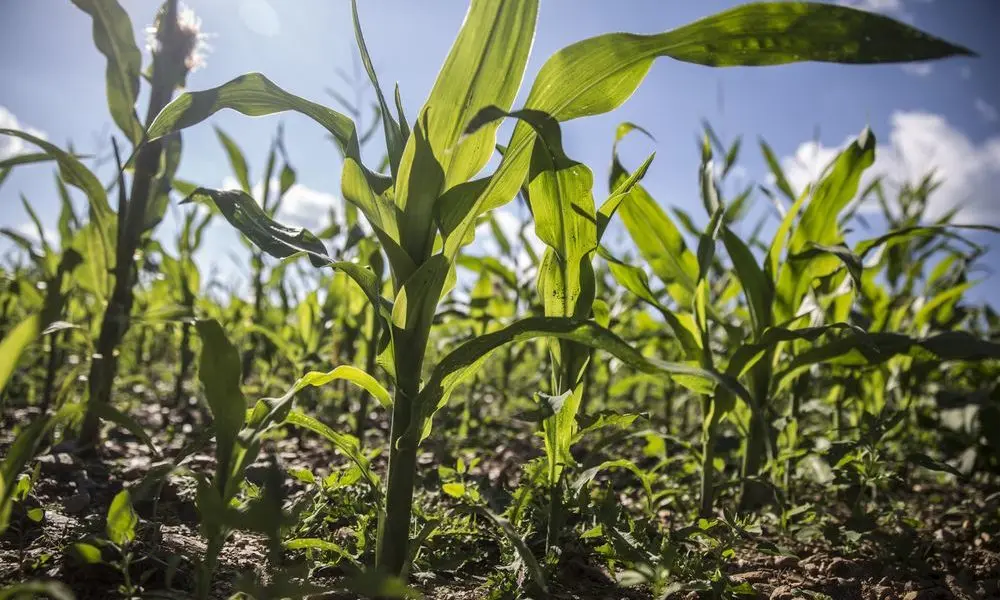
Nigeria hopes this project will create jobs, attract investment, and help the country rely less on food imports. The government also wants to make farming more competitive and able to support the country’s growing population.
Brazil, which has a strong farming industry, will share its knowledge and help Nigeria make similar progress. This partnership is important because it focuses on practical solutions to real problems.
By working together, Nigeria and Brazil want to make sure more people have enough to eat and that farming can support families and the economy. The deal also helps strengthen business ties between the two countries.
More: Brazil news in English, every day from The Rio Times.
This article was produced by The Rio Times’ automated newsroom system. How we use AI · Report an error · Editorial responsibility: Matthias Camenzind, Editor-in-Chief
Part of our ongoing coverage
Africa: The New Scramble — the great-power contest over the continent.