Pinacoteca Opens Ismael Nery Retrospective in São Paulo, Brazil
São Paulo’s Pinacoteca has opened a major retrospective of Ismael Nery, an overlooked painter who bridged Brazilian modernism and European surrealism.
Key Facts
-
—
The Show The Pinacoteca de São Paulo opened “Ismael Nery: Armadilha Moderna,” a retrospective of the early-20th-century painter. -
—
The Scale Roughly 230 works fill seven rooms, including paintings, drawings, portraits, and self-portraits. -
—
Why It Matters It offers the public one of the most complete looks yet at an artist historians say never got his due. -
—
The Catch Nery died in 1934 at age 34, so nearly every work on display comes from a single decade of output. -
—
Who It Affects Art lovers, students, and travelers building a São Paulo culture itinerary through January. -
—
What’s Next The show runs through January 31, 2027, with standard admission of R$40 (US$7.74).
A Rare Deep Dive Into an Overlooked Painter
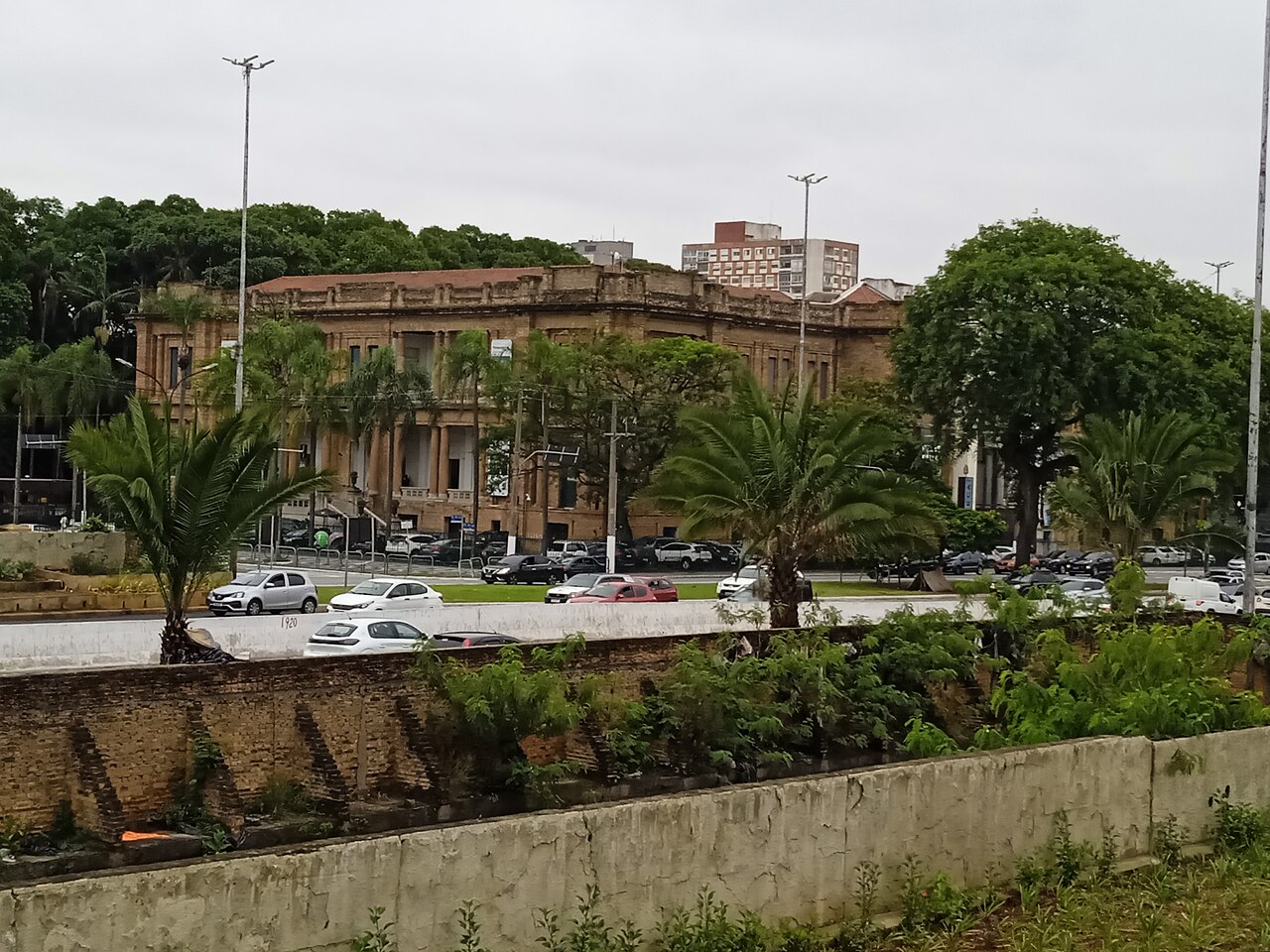
The Pinacoteca de São Paulo, one of Brazil’s oldest art museums, opened “Ismael Nery: Armadilha Moderna” on September 5, 2026. The show’s title translates to “Modern Trap,” and it runs through January 31, 2027, inside the museum’s historic Pina Luz building.
Curators filled seven exhibition rooms on the first floor with roughly 230 works. The pieces include paintings, drawings, portraits, and self-portraits spanning Nery’s short but prolific career.
Who Was Ismael Nery?
Ismael Nery was born in 1900 in Belém, in Brazil’s northern Pará state. He trained at Rio de Janeiro’s National School of Fine Arts and later worked as a civil servant and architectural collaborator.
He died in 1934 at just 34 years old. Despite that short life, historians consider him a pivotal, if under-recognized, link between Brazilian modernism and European surrealism.
Nery was married to Adalgisa Nery, a writer and later a Rio de Janeiro city councilwoman in her own right. Their creative circle overlapped with several major names in early Brazilian modernism.
Why Curators Call Him “A Trap”
Exhibition curator Yuri Quevedo argues that easy labels fail Nery’s work. Attempts to file the artist under cubism, surrealism, or modernism keep falling apart, he says.
“It’s all a trap. Nery is a trap,” Quevedo has said.
His geometric, fragmented figures look cubist at a glance, but they differ from Pablo Picasso’s technique of showing multiple angles at once. Instead, Nery’s bodies appear built from separate component parts, almost like assembled machines.
Faith and the Search for an “Essential Man”
Nery was a devout Catholic, and that faith shaped the direction of his art over time. He pursued what curators describe as an “essential man” concept, gradually reducing human bodies into simpler, symbolic forms.
That formal reduction pushed his figures away from realism and toward something closer to religious icons. Unlike Europe’s surrealists, his fantastical imagery aimed at a utopian ideal, not at unsettling viewers.
What Visitors Will See
Standout pieces include “Dois Irmãos” (Two Brothers, 1927), “João Batista” (about 1928-1929), and “Autorretrato Satânico” (Satanic Self-Portrait, 1925). The show also features “Figuras em Azul” (Figures in Blue, about 1920) and “Composição de Mulher” (Composition of a Woman, 1929).
Together, the works trace how Nery’s style shifted from early figurative drawing toward increasingly abstract, symbolic compositions. Wall texts and curatorial notes walk visitors through that evolution room by room.
Why This Gathering Is Unusual
Nery produced relatively few works before his early death, and many have ended up scattered across private collections. Assembling 230 of them under one roof is logistically difficult, which is part of why full-scale Nery retrospectives are rare.
Several galleries and estates still handle sales of his remaining pieces today. That ongoing private-market activity makes a public museum show like this one especially valuable for researchers and casual visitors alike.
Getting to Pina Luz
The Pina Luz building sits next to Luz train station in downtown São Paulo. Both the CPTM commuter rail and Metro Line 1-Blue stop there, making the museum an easy trip without a car.
The surrounding Bom Retiro neighborhood also holds the São Paulo Museum of Art’s sister institutions and several smaller galleries. Visitors often pair a Pinacoteca trip with a wider afternoon of museum-hopping nearby.
What Else Is on View
The Nery retrospective occupies only the first floor of the Pina Luz building, leaving the rest of the museum open to visitors. The Pinacoteca’s permanent collection covers Brazilian art from the 19th century through today, spread across the same complex.
Visitors with a full afternoon can reasonably combine the Nery show with a walk through those permanent galleries. Museum staff can point newcomers toward a suggested route at the entrance desk.
Visiting Hours and Ticket Prices
The Pinacoteca is open Wednesday through Monday, from 10 a.m. to 6 p.m., with last entry at 5 p.m. It is closed on Tuesdays.
Standard admission costs R$40 (US$7.74), while reduced-price tickets for students and seniors cost R$20 (US$3.87). Those figures use the Central Bank’s PTAX rate — Brazil’s official benchmark rate — of R$5.17 per US$1 on September 14, 2026.
Entry is free on Saturdays and on the second Sunday of every month. Budget-minded visitors can time a trip around those free days.
Frequently Asked Questions
Who was Ismael Nery?
He was a Brazilian painter born in 1900 in Belém, Pará, who died in 1934. Historians view him as an important but often-overlooked bridge between Brazilian modernism and European surrealism.
How much does admission cost?
Full-price tickets cost R$40 (US$7.74), and reduced tickets cost R$20 (US$3.87). Entry is free on Saturdays and the second Sunday of each month.
How long does the exhibition run?
“Ismael Nery: Armadilha Moderna” runs through January 31, 2027, at the Pinacoteca’s Pina Luz building in São Paulo.
This article was produced by The Rio Times’ automated newsroom system. How we use AI · Report an error
Read More from The Rio Times