Key Facts
Peru is heading into its third national vote of 2026, after the general election and June’s runoff. The government has now signed the legal framework for international observers to watch it.
Foreign Minister Carlos Espá signed an agreement on 19 September 2026 with the Organization of American States (OAS), Andina reported. It covers the privileges and immunities of the OAS observation mission for the regional and municipal elections.
Why This Matters
The OAS is the Washington-based body of governments of the Americas, and it regularly sends observers to elections in the region. It was founded in Bogotá in 1948, and Peru was among its founding members, Andina noted.
On 4 October, Peruvians elect 25 regional governors, 196 provincial mayors and 1,696 district mayors, according to Andina. They also choose 364 regional councillors and more than 10,800 provincial and district councillors.
The electoral board approved a roll of 26,314,724 voters in June, Gestión reported. Voting is compulsory for most adult Peruvians, and those who fail to vote can be fined.
At the last local elections, on 2 October 2022, turnout was 77.3% of 24.8 million registered voters. Andina said the teams will observe the installation of polling stations, turnout and the use of electoral technology.
Two Agreements in Two Days
Espá signed for Peru, and Miguel Ángel Trinidad signed as representative of the OAS General Secretariat in Peru. The ceremony took place at Torre Tagle Palace, the foreign ministry’s headquarters in Lima, Andina reported.
The text establishes “the legal framework and necessary facilities” for the mission’s independent work, Andina reported. Espá said OAS observation “contributes to free, fair and transparent elections”, according to the same report.
Trinidad called the agreement “a new step” in cooperation between Peru and the OAS. A day earlier, Trinidad signed a separate cooperation agreement with the National Elections Jury, Peru’s electoral court.
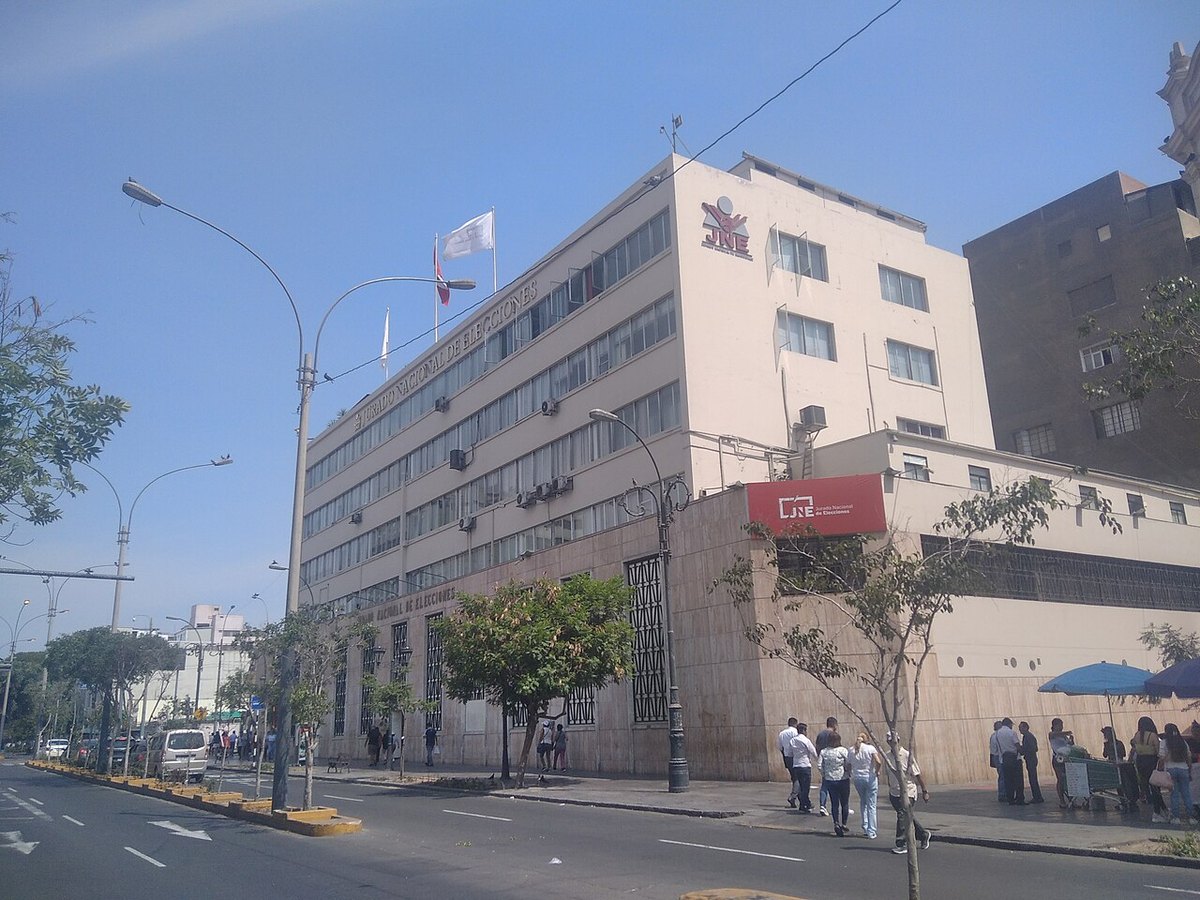
Its president, Roberto Burneo, signed for the jury, El Peruano reported. That agreement gives the mission access to electoral procedures, counting centres and vote results, according to El Peruano.
It also requires the mission to report any irregularities it detects to the jury. Burneo stressed the value of international observers in a vote where millions of citizens will exercise their right.
He said the jury must create conditions for citizens’ will to be expressed with guarantees and confidence. The mission’s head and the number of observers had not been announced in the reports reviewed.
The Voter Roll and the Count
The June roll lists 26,314,648 Peruvians and 76 foreign residents, who may vote only in municipal races, Gestión reported. The jury also removed eight former officials whom Congress had disqualified under Article 100 of the Constitution.
Carmen Velarde, head of Reniec, the national identity registry, said on 20 September that the roll reflects Peru’s electoral reality. More than 6.7 million voters are aged 18 to 29, and Velarde said neither minors nor dead people can vote, Andina reported.
Reniec has flagged records with outdated photos, unverified addresses or pending death registrations, Velarde said. Deaths are reported to the electoral authorities every month, and the flags are meant to make the roll more transparent.
ONPE, the body that organises elections, has a contingency plan for moving voting material, spokeswoman Rubí Villalba said. In the April first round, more than 50,000 voters in three southern Lima districts could not vote because material arrived late.
Those districts were San Juan de Miraflores, Lurín and Pachacamac, according to Andina. ONPE will begin posting results from 5 p.m. on election day, Villalba told Andina.
A Tense Electoral Year
OAS missions also observed the April general election and the June runoff won by Keiko Fujimori. In May, the first mission voiced concern about threats and harassment against electoral authorities and journalists, Infobae reported.
That mission was led by Víctor Rico Frontaura, according to the same report. It urged authorities to finish the count promptly and hold the runoff on schedule.
The first round was held on 12 April, and Fujimori then faced Roberto Sánchez of Juntos por el Perú. ONPE’s final count gave Fujimori 50.135% against 49.865%, a margin of 49,641 votes, La República reported.
Some sectors alleged fraud, but Burneo said there was no evidence to support those accusations. A European Union mission also observed the general election, with 50 short-term observers for the runoff, La República reported.
How OAS Observation Works
The OAS sent observation missions to member states’ elections more than 100 times between 1962 and 2002. Its Inter-American Democratic Charter, adopted in 2001, commits member states to representative democracy.
The new agreements give the Peru mission a legal footing, including immunities for observers while they work. Víctor Rico, who led the general-election mission, is the OAS secretary for strengthening democracy, La República reported.
Infobae described him as a former secretary general of CAF, the Latin American development bank. During the general election, the mission issued public statements while the count was still under way.
What the Local Vote Looks Like
In Lima, the electoral jury is holding debates for mayoral candidates on 21 and 22 September, Infobae reported. Thirteen candidates took part in the first session, which drew on 4,921 questions sent in by citizens.
Infobae counted 26 political organisations competing for the Lima mayoralty. Voters also elect mayors in 42 of the capital’s 43 districts, since the metropolitan government runs Cercado de Lima directly.
Parties on the ballot in Lima include Fuerza Popular, Renovación Popular, Perú Libre, Acción Popular and Podemos Perú. The number of district mayors to be elected has risen to 1,696, from 1,694 in 2022.
What It Means If You Are in Peru on 4 October
For voters, the observers add an outside check on polling stations and counting, but results remain in Peruvian hands. Observers can report irregularities to the electoral jury, which rules on electoral disputes.
Foreign residents on the roll can vote for mayors and councillors, but not for regional authorities. Travellers should check official guidance from ONPE before moving around the country that weekend.
For investors, a clean vote matters because regional and municipal leaders run local budgets and public works for four years. The mission’s findings will also be read as a verdict on Peru’s electoral bodies after a disputed year.
What Is Not Yet Known
It is not known how many OAS observers will deploy or in which regions. The date of the mission’s preliminary report after the vote has not been announced.
Whether a European Union mission will also observe the local vote has not been reported. It is not known whether ONPE’s plan will prevent a repeat of April’s delays in southern Lima.
Nor is it clear whether Reniec’s explanations will settle public doubts about the roll. It is also unknown how quickly ONPE will complete the count in regions far from Lima.
Frequently Asked Questions
Why do OAS observers matter for this vote?
Peru’s 2026 general election was close and disputed, with fraud claims the electoral court rejected. Independent observers give voters and parties an outside check.
When are Peru’s regional and municipal elections?
They are on Sunday 4 October 2026. More than 26.3 million Peruvians are registered to vote.
What does the OAS agreement do?
It grants privileges and immunities to the observation mission. A separate deal with the electoral court gives observers access to the process.
Can observers change the results?
No. They can only report irregularities to the National Elections Jury, which rules on disputes.
Sources: Andina, foreign minister signs OAS agreement, El Peruano, JNE and OAS cooperation agreement, Infobae/EFE, immunity agreement for observers, Gestión, JNE approves the voter roll, La República, OAS mission arrives for the runoff, Infobae, OAS concern over threats in the general election, Andina, Reniec on the voter roll, Andina, ONPE contingency plan, La República, final runoff count, Infobae, Lima mayoral debates, Infobae, candidates for Lima and its 43 districts, Wikipedia, 2022 regional and municipal elections, Wikipedia, Organization of American States
This article was produced by The Rio Times’ automated AI newsroom. Editorial responsibility: Matthias Camenzind, Publisher and Editor-in-Chief. The Rio Times also runs Ask Rio Times, which answers from 100,000+ of our own articles, the daily Latin America Power Map, and prediction-market odds on elections and markets.. How we use AI · Report an error