
PERU · ILLEGAL GOLD
Key Facts
- The country Peru is a South American country of about 34 million people and a major producer of gold and copper.
- What happened On Thursday 22 October 2026 a Wampis spokesperson estimated over 60 illegal mining dredges on the Cenepa River.
- The place Condorcanqui is a remote Amazon province in Peru’s Amazonas region, home to the Awajún and Wampis, two large Indigenous peoples.
- The claims Leaders link the dredges to mercury in the water and to wounded fish, and say some fish can no longer be eaten.
- The gold link Peru’s government put illegal mining at about US$7 billion a year in 2025, and illegal gold can enter legal chains.
- The US link American buyers of gold jewellery, electronics and bullion depend on supply chains that can mix legal and illegal Peruvian gold.
- Power Index Peru ranks 5th of 14 in The Rio Times Latin America Power Index, with 54.7 points (October 2026 edition).
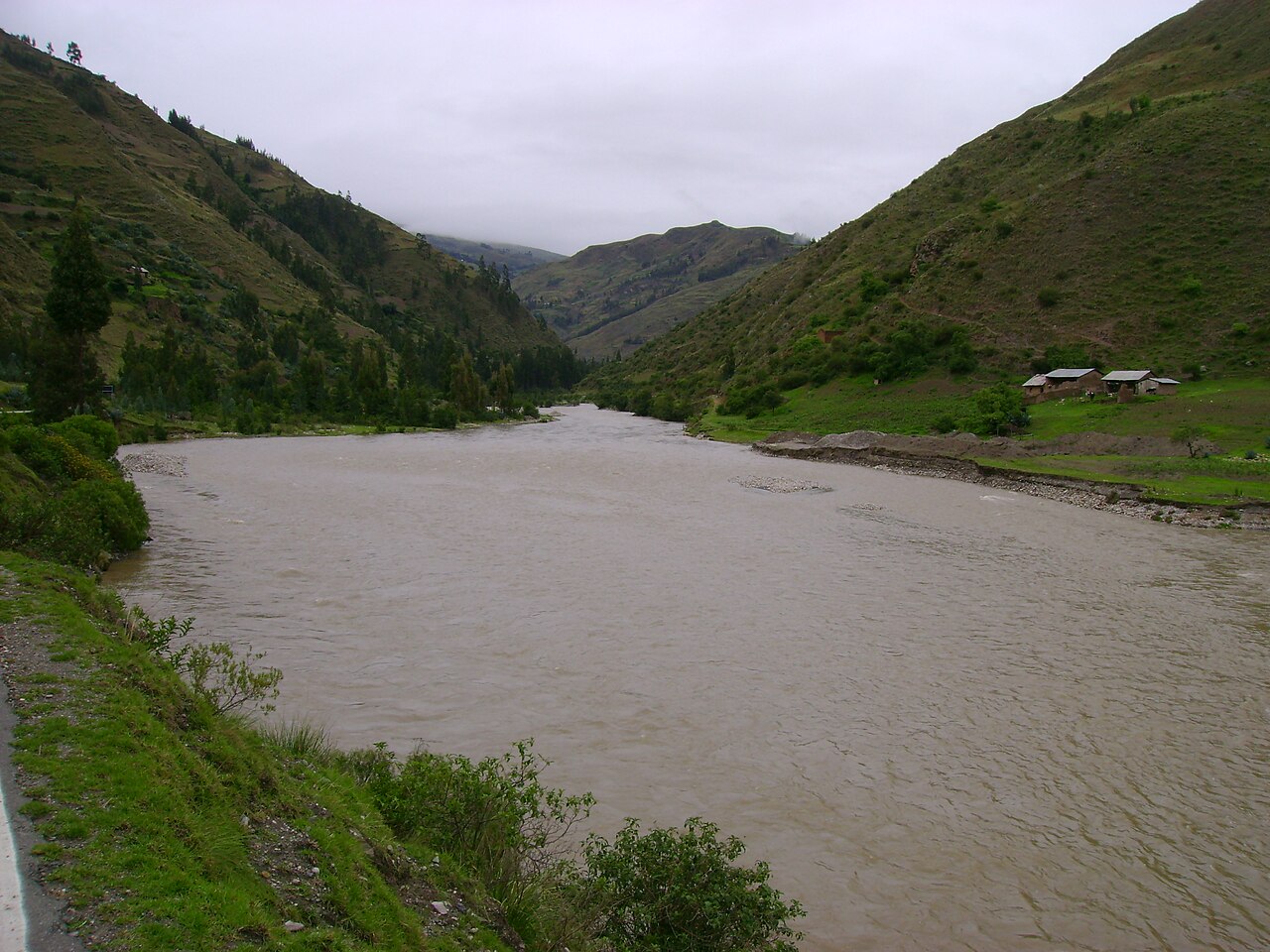
A Wampis spokesperson estimated on Thursday 22 October 2026 that over 60 illegal mining dredges work Peru’s Cenepa River, La República reported. These illegal mining dredges matter to US readers because their gold can enter global supply chains serving American jewellers and electronics makers.
The Awajún and Wampis are two Indigenous peoples who live in Condorcanqui, a remote province in the Amazonas region of northern Peru. Their spokespeople name the Cenepa, Santiago and Marañón rivers as affected, fear the activity will spread, and want the state to act.
What the Communities Reported
Jotam Valverde, a spokesperson for the Wampis people in the Santiago River district, estimated more than 60 dredges on the Cenepa River. He also said five to 10 dredges operate in the Bajo Santiago sector, the lower stretch of the Santiago.
Emilio Shimpukat, an Awajún and Wampis spokesperson, warned of mercury in the water and said fish are no longer edible. He added that mining had damaged plantain fields in the community of Chipe on the Marañón.
The numbers come from community spokespeople, and La República gave no official government count. Valverde warned that the activity could spread if authorities do not act.
How Illegal Mining Dredges Work
Illegal mining dredges are floating machines that suck sediment from a riverbed and wash it to catch gold. Miners often use mercury to bind the fine gold, and the poisonous metal then drains back into the river.
Residents told La República they have seen wounded fish and fear the rivers that feed their families could become a health risk. Shimpukat also alleged clashes, deaths and crimes against community members in mining areas, but gave no dates or cases.
A Problem That Has Grown Since 2018
Wampis leaders estimated in February 2024 that about 30 dredges worked the Santiago River, across roughly 10 Wampis communities. Leaders said mining sites first appeared around 2018 and grew in 2021 and 2022, Mongabay reported.
In late 2023 the Wampis created the Ejército Verde, or Green Army, an Indigenous guard that began stopping boats in February 2024. In November 2025 the Awajún government told a Peruvian congressional commission that more than 50 dredges worked critical points in its territory, according to Congress.
What the Communities Are Asking For
The spokespeople want more police in affected areas, logistical help to reach remote rivers, and better coordination between national, regional and local authorities. They also asked for an investigation into violence and into the alleged use of minors in mining work.
Valverde asked the Amazonas regional government, Environment Minister Vladimiro Huaroc and the region’s legislators to step in. He said some young people turn to illegal work for lack of other income, and that plantain, cacao and fish farming need roads and markets.
The Illegal Gold Supply Chain
Peru’s High Commissioner against Illegal Mining, an office in the prime minister’s cabinet, put the sector’s yearly turnover at about US$7 billion in November 2025. Its 68-activity strategy had a 2026 budget set to rise from 70 million soles (about US$20 million) to 178 million soles (about US$52 million).
Peru’s think tank Instituto Peruano de Economía estimated on 18 September that illegal gold exports could reach US$16 billion this year, perhaps over US$18 billion. Related reports cover how Peru tightens the net on illegal gold and a TV report on US agents in gold raids.
What It Means for US Readers
Gold is hard to trace once melted, so metal from illegal dredges can reach refiners and then jewellery, electronics and bars sold in America. US companies that buy Peruvian gold face growing pressure to show where it came from.
The two countries have had a trade agreement since 2009 that makes each side enforce its own environmental laws. Travellers should know that the Cenepa and Santiago areas are remote and hard to reach.
What Is Not Known
No government count of illegal mining dredges on the Cenepa has been published. La República’s report carried no response from the Environment Ministry, the police or the regional government.
No published test result backs the mercury and fish-health claims. It is not clear how much gold the dredges produce, who buys it, or how much Peruvian gold reaches US buyers.
More: Peru news in English, every day from The Rio Times.
Frequently Asked Questions
What did the Awajún and Wampis report on 22 October 2026?
A Wampis spokesperson estimated more than 60 illegal mining dredges on the Cenepa River in Condorcanqui, Amazonas. He also put the number in the Bajo Santiago sector at five to 10.
Who are the Awajún and Wampis?
They are two large Indigenous peoples of Peru’s northern Amazon who live along the Cenepa, Santiago and Marañón rivers. Both have formed their own territorial governments to defend their land.
Why are illegal mining dredges dangerous?
Illegal mining dredges tear up riverbeds and muddy the water, and miners often use mercury to catch gold. Mercury is a toxic metal that builds up in fish and can harm people who eat them.
How does this affect the United States?
Illegal gold can mix with legal gold in global supply chains that reach American refiners, jewellers and electronics makers. US firms are under growing pressure to prove their gold is clean.
What do the communities want the government to do?
They want more police, logistical support, joint action by national, regional and local authorities, and an investigation into violence and alleged child labour. They also want help for farming and fish farming as legal income.
Sources: La República, 22 October 2026; Congress of Peru, 10 November 2025; Mongabay Latam, 27 February 2024.
This article was produced by The Rio Times’ automated newsroom system. How we use AI · Report an error · Editorial responsibility: Matthias Camenzind, Editor-in-Chief