Panama Quake Rebuild Up to US$500M
Panama says it can raise more than US$800 million for disasters, yet the Azuero bill is a range US$400 million wide and the first emergency fund is barely used.

Economy: Panama
Panama’s Vice-Minister of Economy and Finance, Fausto Fernández, said on Wednesday 25 November that rebuilding the Azuero region after the 9 October earthquake could cost the state between US$100 million and US$500 million. “That reconstruction can cost between 100 million and 500 million; the numbers are still under review,” he said, according to the ministry’s account of his presentation on managing fiscal risk.
Only US$100 million has been set aside so far, and Economy Minister Felipe Chapman said on 10 November that less than US$20 million of it had been paid out. Panama uses the US dollar, so every amount in this report is already in US$.
Key Facts
- Who. Vice-Minister Fausto Fernández and Minister Felipe Chapman of Panama’s Ministry of Economy and Finance (MEF).
- What. Rebuilding Azuero could cost US$100 million to US$500 million; US$100 million is set aside.
- Paid. Under US$20 million has been paid out; requests from ministries are near US$80 million.
- As of. 25 November 2026, 21:00 GMT.
Panama says it can raise more than US$800 million for disasters, yet the Azuero bill is a range US$400 million wide and the first emergency fund is barely used.
The earthquake struck at 12:56 local time on Friday 9 October, with its centre near Pitaloza Arriba, a village on the Azuero peninsula in south-west Panama, and the US Geological Survey (USGS), the US government’s earthquake agency, rates it magnitude 7.7. President José Raúl Mulino has warned that the final bill will exceed the first US$100 million.
On 13 October the MEF said it was ruling out the Panama Savings Fund for now and announcing a trust (a ring-fenced fund) at the state bank instead. The government’s stated aim is housing first.
Housing Minister Jaime Jované said the government plans more than 2,700 homes, with more than 2,000 due by March 2027. Minister for Canal Affairs José Ramón Icaza said the US$100 million is under technical review and could be increased.
Housing is the one line that can be priced. The Ministry of Housing (Miviot) puts a new home at US$25,000 to US$28,000, so 2,700 homes would cost roughly US$68 million to US$76 million before clearing debris.
The public finances give little slack. The MEF reported a non-financial public sector deficit of US$3,387 million for January to August 2026, equal to 3.56% of GDP, against a ceiling of 3.5% for the full year under Panama’s fiscal responsibility law.
Moody’s Ratings, a credit rating agency, moved Panama’s outlook from negative to stable on 17 November and kept its Baa3 grade, the lowest rung still counted as investment grade. Fernández listed what stands behind the state: parametric insurance, which pays out when a quake or flood passes set measurements, contingent loans (pre-agreed emergency credit lines) from multilateral lenders (he named the World Bank and the International Monetary Fund), and access to the Panama Savings Fund, the state’s sovereign savings fund, if damage passes legal thresholds.
He put the total response capacity for natural disasters above US$800 million. The insurance has already been used once.
The Caribbean Catastrophe Risk Insurance Facility (CCRIF), a regional insurer, owed Panama about US$17.4 million, due by 23 October.
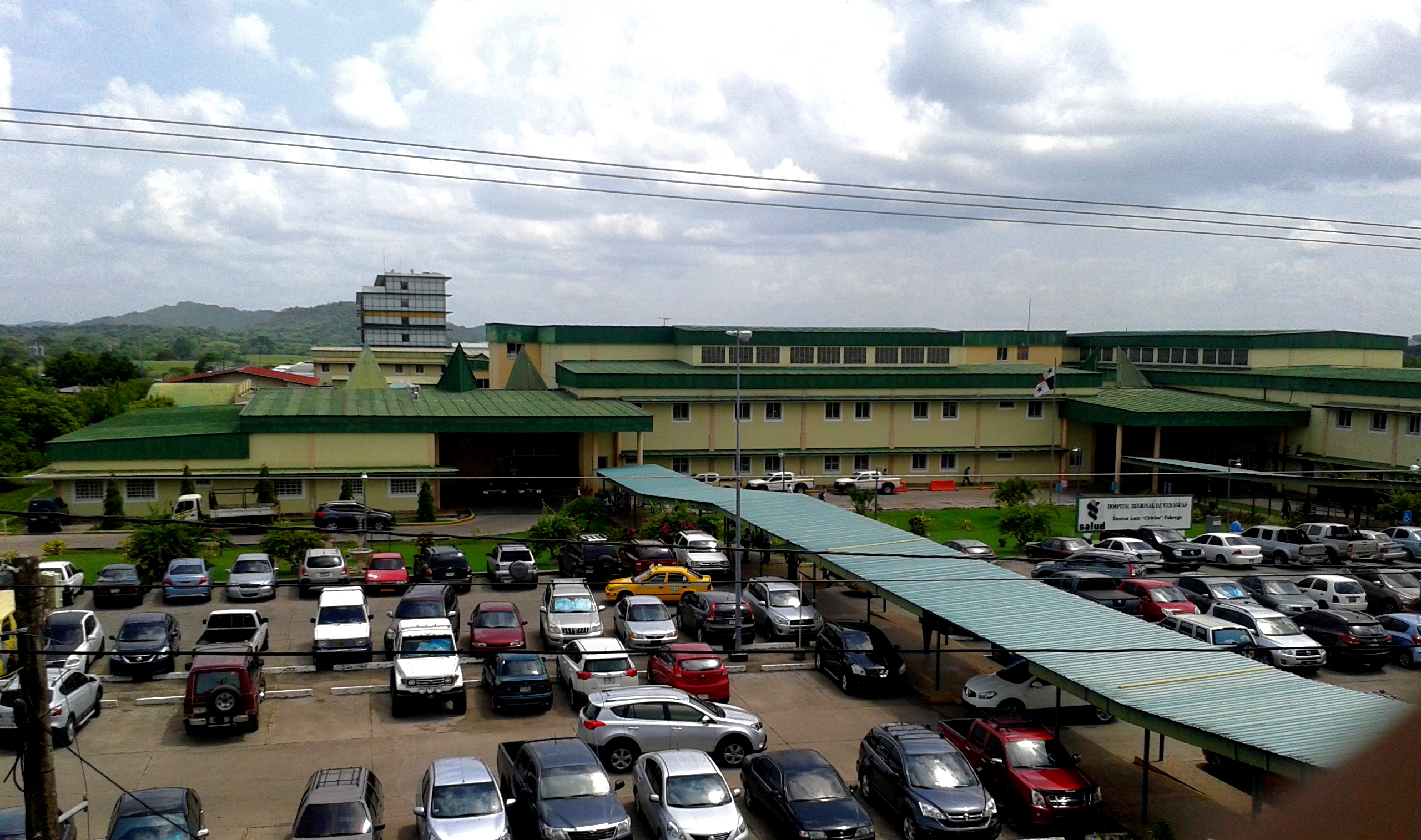
Chapman said on 10 November that the US$100 million sits at Banco Nacional de Panamá, the state bank, and is handed to ministries as they file requests. The biggest requests come from Miviot and the Ministry of Public Works (MOP), and smaller ones from Health and Education.
Two trusts take donations, one at Banco Nacional for foreign states and multilateral lenders and one at Caja de Ahorros, a state savings bank, for private money. Sinaproc, Panama’s civil protection system, had assessed 22,245 homes with 70,306 residents, in the count the ministry cited on 25 November.
It counted 4,503 homes with total damage, 10,836 with moderate or partial damage and 4,504 with light damage. Those three groups add up to 19,843, and the account does not explain the gap to 22,245.
Sinaproc also assessed more than 853 schools and 120 health centres, but the ministry gave no repair cost for them. The risk for readers abroad is a wide range, not a known cost.
A bill near the top, US$500 million, would be five times the emergency fund and would squeeze a deficit already close to its legal ceiling, while a bill near US$100 million would fit inside the existing fund. The ministry has not said when the estimate will be final.
The one fixed date is March 2027, when the government wants its 2,700 homes finished.
Frequently Asked Questions
Who pays for Azuero’s reconstruction?
The state pays first from its emergency fund and insurance, and it can add loans if the cost grows. Private donations go into two separate trusts.
Is the cost estimate final?
No, the vice-minister called the range still under review. A final figure depends on repair budgets that ministries are still preparing.
Sources
Ministerio de Economía y Finanzas (MEF), presentation of Vice-Minister Fausto Fernández, 25 November 2026 · MEF, remarks of Minister Felipe Chapman, Los Santos, 10 November 2026 · Ministry of Housing (Miviot), Minister Jaime Jované, 8 November 2026 · Sinaproc one-month damage count · US Geological Survey, event us6000u18k (USGS) · MEF announcement on Moody’s Ratings, 17 November 2026
This article was produced by The Rio Times’ automated AI newsroom. Editorial responsibility: Matthias Camenzind, Publisher and Editor-in-Chief. The Rio Times also runs Ask Rio Times, which answers from 100,000+ of our own articles, the daily Latin America Power Map, and prediction-market odds on elections and markets.. How we use AI · Report an error
Connected Coverage