Brazil Arrests Two in Baby Trafficking Case
Police say two newborns are still in hospital while a court decides their future, and investigators are still tracing who else took part.

CRIME: BRAZIL
Police in Brazil arrested a New Zealand man and a Chinese woman on Tuesday 24 November 2026 on suspicion of running a ring that moved newborn babies from Brazil to Thailand for payment. Officers of the Rio de Janeiro State Civil Police, the state’s investigative force, made the arrests in flagrante, meaning on the spot, in the coastal town of Saquarema.
The two are suspects and have not been convicted, and we found no statement from either of them or from a lawyer. Vilson de Almeida, the delegate who heads the 124th police station, said: “The hospital became suspicious of several births to foreigners at the unit and alerted the police, which began the investigation” (translated from Portuguese).
Key Facts
- Who. A New Zealand man and a Chinese woman, both suspects and not convicted.
- What. Arrested for international trafficking of a child and criminal association, police say.
- Where. Saquarema, a coastal town in the Lakes Region of Rio de Janeiro state.
- Power Index. Brazil ranks 1st of 14 in The Rio Times Latin America Power Index, with 74.2 points (November 2026 edition).
- As of. 25 November 2026, 12:00 GMT.
Police say two newborns are still in hospital while a court decides their future, and investigators are still tracing who else took part.
The 124th Police Station in Saquarema, known as the 124ª DP, made the arrests after what the Civil Police describe as intelligence work and monitoring. Saquarema is a coastal town in the Lakes Region (Região dos Lagos), east of the city of Rio de Janeiro.
Investigators identified two Thai women who, police say, arrived in Brazil around the eighth month of pregnancy. They had allegedly agreed to carry children for Chinese families under surrogacy, in which one woman bears a baby for other people.
According to the police account, embryos made with genetic material from Chinese biological parents were implanted in the Thai women. The two suspects allegedly organised the women’s transport, lodging and medical care in Brazil.
After each birth, police say, a Chinese biological father travelled to Brazil to register the child, appearing on the documents as the father with the Thai woman listed as the mother. The group then allegedly took the man, the woman and the baby back to Thailand, where the child would be handed to the contracting parents against payment.
Two newborns identified in the investigation remain in hospital under the care of Saquarema’s social-assistance service while a court decides what happens to them. We found no figure for how many babies were involved.
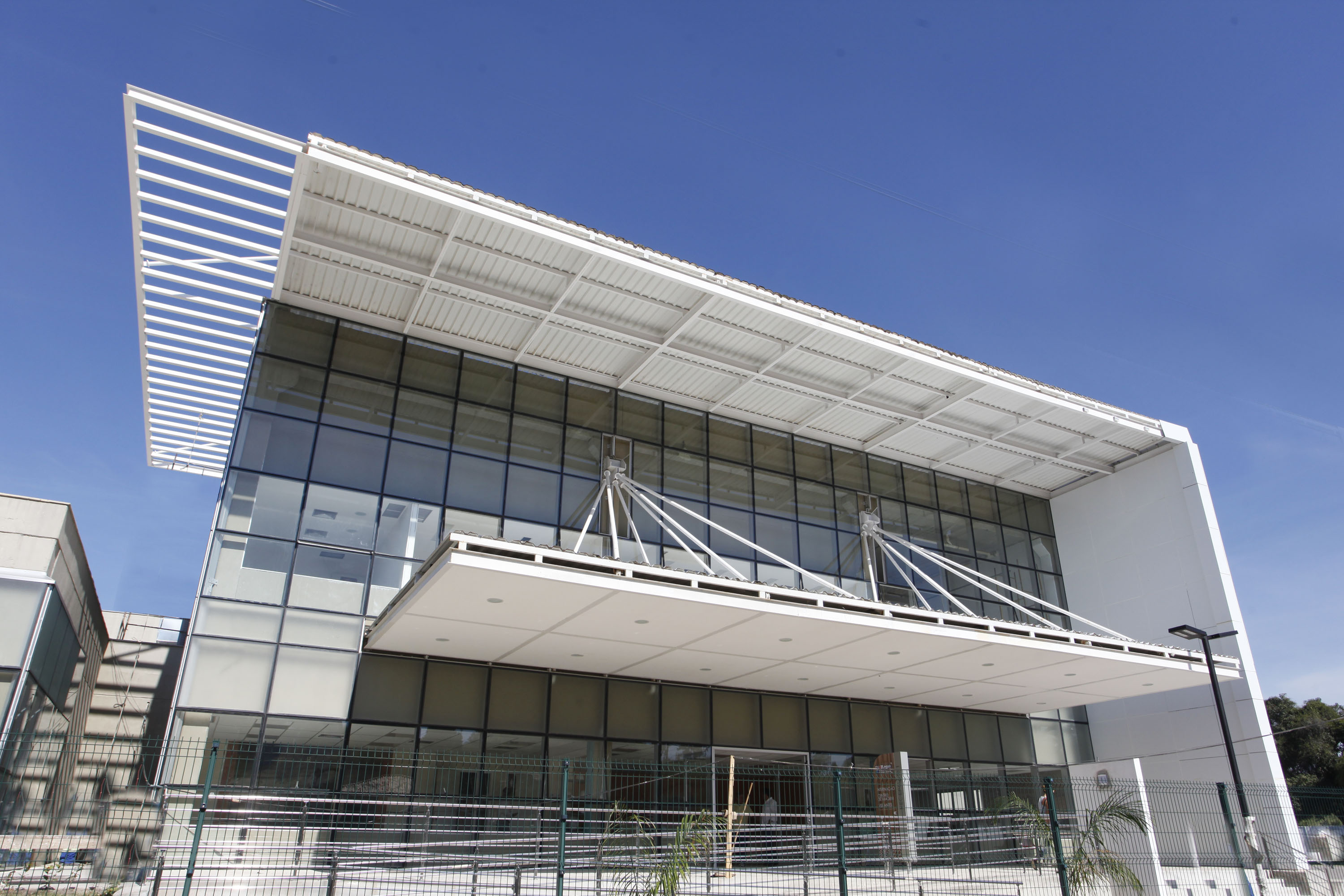
The suspects were arrested in flagrante on suspicion of international trafficking of a child and criminal association, and they were sent to the prison system. They remain at the disposal of the court.
Brazil’s Child and Adolescent Statute, the 1990 children’s-rights law, punishes anyone who promotes or helps an act meant to send a child abroad without the legal formalities, or to make a profit, with four to six years in prison and a fine (Article 239). The sentence rises to six to eight years if violence, serious threat or fraud is used.
Brazil’s medical rules on surrogacy are set by Resolution 2,320 of 2022 from the Federal Council of Medicine, the doctors’ regulator. It says the woman carrying the pregnancy must already have a child and be a blood relative of a partner as far as fourth degree, with other cases needing exceptional approval from the regional medical council.
Thailand, where the babies were allegedly delivered, banned commercial surrogacy in its 2015 law on children born through assisted reproductive technologies. A revised bill was open for public consultation in July 2026, and we found no sign that it has passed.
Investigators say they are still examining the group’s structure, possible go-betweens and the way birth registrations and transfers abroad were handled. We found no reaction from Thai authorities, the Chinese or New Zealand embassies, or the Brazilian human-rights ministry, and no date for the court decision.
Frequently Asked Questions
Who was arrested in Saquarema?
A New Zealand man and a Chinese woman were arrested in flagrante on suspicion of international child trafficking and criminal association. They are suspects, and no court has convicted them.
What is the alleged scheme?
Police say Thai women carried children for Chinese families in Brazil, and the babies were then taken to Thailand and handed over for payment. Investigators are still checking how the births were registered.
What happens to the two babies?
They remain in hospital under social-assistance care in Saquarema. A court will decide what happens next.
Sources
Rio de Janeiro State Civil Police account of the arrests of 24 November 2026; Estatuto da Criança e do Adolescente (Lei 8.069/1990) · Conselho Federal de Medicina, Resolution 2,320/2022 · Polícia Civil do Estado do Rio de Janeiro
Connected Coverage
This article was produced by The Rio Times’ automated AI newsroom. Editorial responsibility: Matthias Camenzind, Publisher and Editor-in-Chief. The Rio Times also runs Ask Rio Times, which answers from 100,000+ of our own articles, the daily Latin America Power Map, and prediction-market odds on elections and markets.. How we use AI · Report an error
Brazil runoff, Sunday, October 25: Brazil runoff start time and results schedule. Latest: Brazil runoff polls, Flávio 51%, Lula 49%.