Nudists, rich and radical: the sect of Germans who only ate coconuts
The sun is the life source of the entire universe. When it is at its peak in the tropics, it reaches the maximum of this energy charge.
Being closest to the sun, our brain is the most critical organ in the human body. To maintain a healthy body, we must always be close to the tropical sun.
But we also need a healthy diet. Which fruit would absorb solar energy best?
One that is most exposed and closest to the star, large, robust, and sprouts high up in tall trees, whose properties would be so beneficial that we would not need to eat anything else?

The coconut!
The solution to all problems is to live in a sunny place and on coconuts alone.
There was a time 120 years ago when people dropped everything to follow this theory.
In this case, until the end of their own lives.
THE CULT OF COCONUT
The rapid industrialization of Germany in the late 19th century sparked the rise of the “lebensreform,” a decentralized movement opposed to modernities and increasing urbanism.
Abandonment of alcohol and tobacco and a more rural, nature-bound life with lots of raw food, sexual freedom, and denial of vaccines were among the banners.
Yoga, alternative medicine, theosophy, and vegetarianism, ditto. The current has been classified as modern but also reactionary.
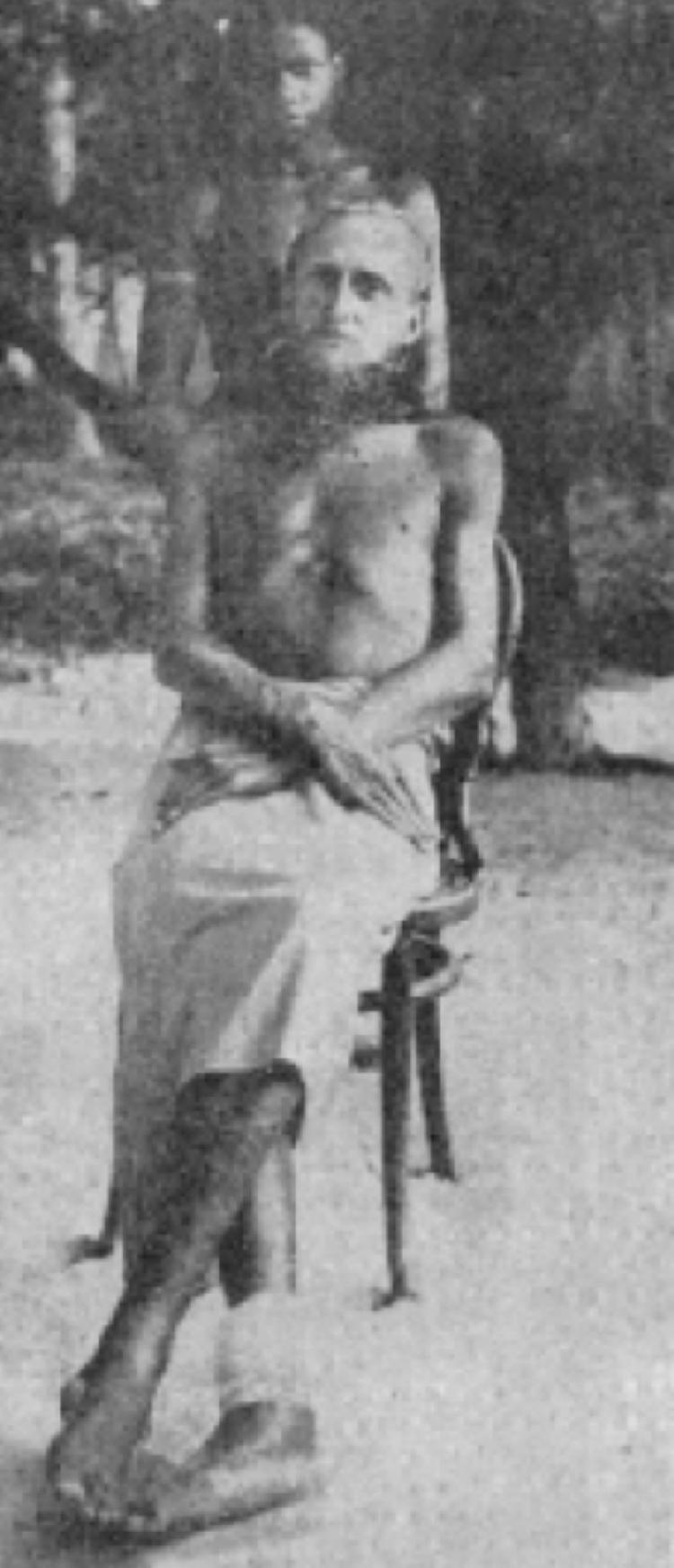
A philosophical pastiche that attracted a young man named August Engelhardt, a frustrated chemistry and physics student and pharmacy clerk.
In 1899, he joined the Jungborn, an association of vegetarian naturists who preached in the mountains a lifestyle detached from almost everything.
The nudist club eventually disbanded because of some problems (the practice was forbidden by law to begin with).
But Engelhardt was obsessed. He wanted to find a plentiful and healthy source of raw food.
In 1902, with a generous inheritance, the son of an industrialist who hated the modernities of the Industrial Revolution boarded a steamship for the Pacific.
He passed through Ceylon (now Sri Lanka) and landed in German New Guinea, a colony that had entered the sphere of the Teutonic empire since German traders had established warehouses on the islands.
New Guinea, the second-largest island in the world, has been inhabited for more than 30,000 years.
The Portuguese and Dutch passed along its coast in the 16th century, but it was not until the 19th century that the Europeans arrived for real.
They divided the archipelago into three.
The west belonged to the Netherlands and corresponds today to the Indonesian province of Papua.
The south went to the British, and the north to the Germans.
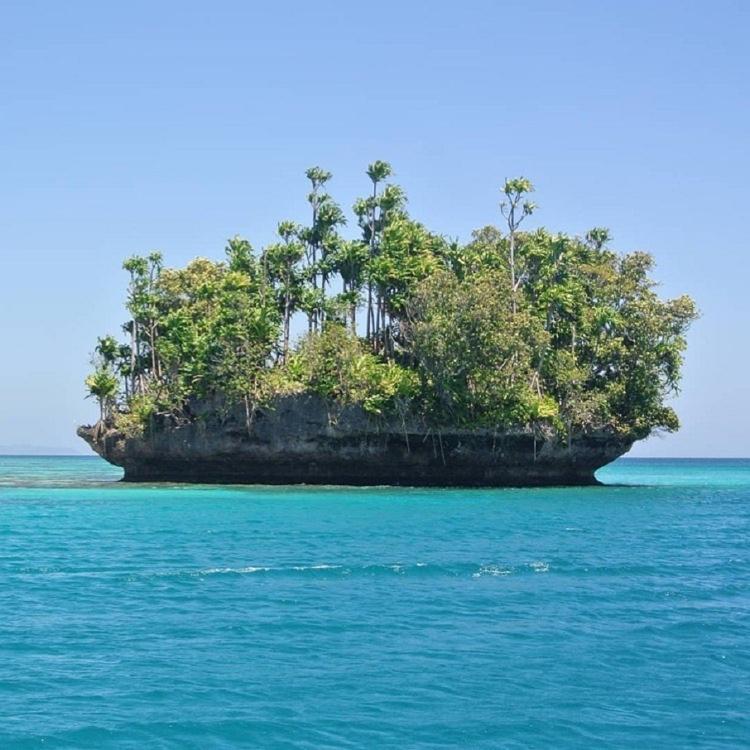
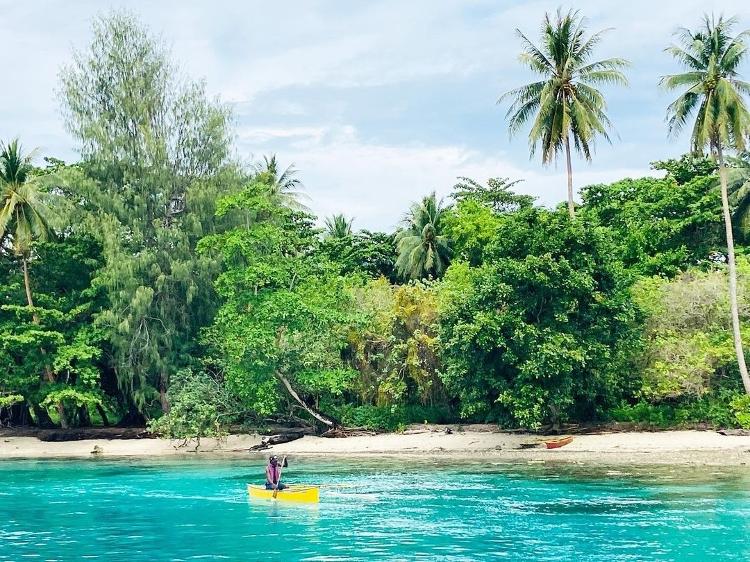
Engelhardt settled in Kabakon, in the Duke of York Islands, part of the great Bismarck Archipelago (the names attest to how New Guinea was divided between the powers).
With the inheritance, he bought a 75-hectare property with a banana plantation and coconuts.
He moved into a small three-room house, gave up his clothes, and kept only his library of 1,200 books (according to the Solomon Islands Solomon Times, one of the best in the Pacific).
There, he developed the theory.
He developed an ulcer on his right leg, which he linked to his past diet, which maculated his body with fruits other than coconut.
Tired of being ridiculed in his homeland, the young German remained convinced that living with minimal clothing under the tropical sun was the healthiest option.
In New Guinea, he embraced the coconut once and for all as the ultimate food source.
More than that: he created a cult around the fruit.
“Being the world’s only pure coconivore, however, is not enough for him. Keeping this knowledge to himself, which could so much improve the fate of humanity, makes him unhappy,” wrote Italian botanist Stefano Mancuso in “The Incredible Journey of the Plants” (Ubu Editora), an entertaining book that shows how plants, in their way, also migrate.
Engelhardt started preaching for other Europeans to join him (the local Melanesians were not so keen on him). With too many beards and too few clothes, he began to attract followers.
In 1905, the “New York Times” reported on the cult
“He believes that man is a tropical animal, who was not made to live in caves called houses, but to wander like Adam, with the sun beating down by day and the dew of the sky as a blanket at night.”
Engelhardt, the text said, thought that in time this lifestyle would make them immune to any diseases and that they would conquer death as if they were gods.
With too much sun on his head, he thought he would be immortal.
The article’s title is noteworthy: “Failure of a womanless Eden in the Pacific.
THE END
The Sonnenorden, or Order of the Sun, as it was named, came to have 15 members.
No one had a happy ending.
Coconut is an excellent source of fat, rich in carbohydrates. But it has little protein and none of a host of essential vitamins.
It is healthy but far from the ubiquitous food the order preaches.
The coconut tree is useful for food, clothing, and fishing.
It is one of the most important trees on the planet in cultural terms, and to the peoples of the Pacific, it is, quite simply, the tree of life.
But a bunch of Germans took this literally in a comically catastrophic way.
One by one, Engelhardt’s followers succumbed.
Some died deaths consistent with what the sect preached, suffering from heatstroke or malaria, weakened by their bizarre diet.
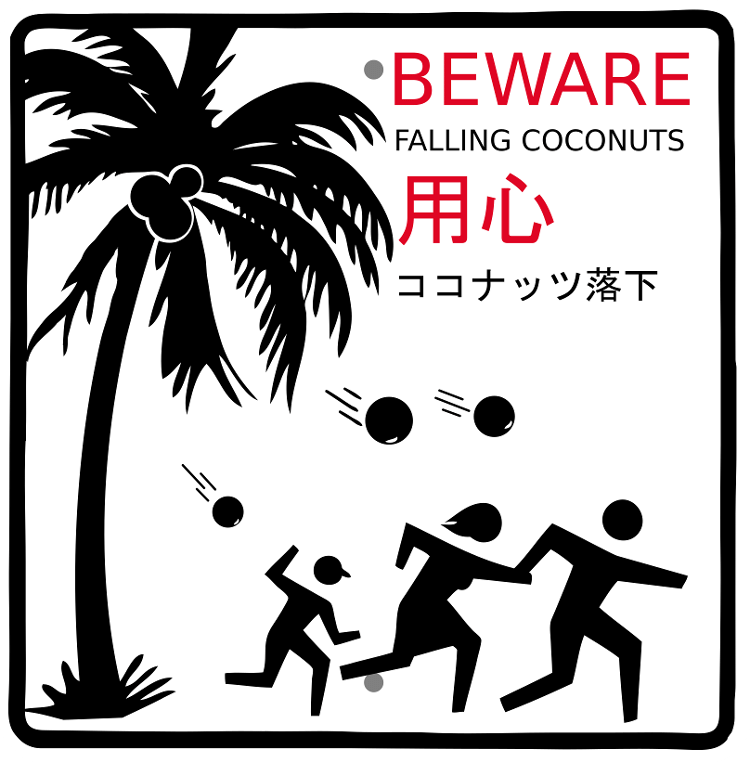
Others died because of the context in which they lived: some drowned, and others died when a coconut cracked their skull.
Not funny.
Although urban legends inflate the number of annual victims, a fall from a coconut can be fatal.
A few months ago, in December 2022, a man died this way in India.
Those still alive thought twice and tried to leave the island.
Engelhardt became ill and had to be taken to a Papuan hospital.
He did not give up when he recovered, but the alarmed German government demanded an advance deposit for medical expenses and return transportation.
By 1914, Engelhardt was little more than a lonely sack of bones and wounds when he was taken prisoner after World War I.
Australia, which had administered the British portion of New Guinea since 1906, invaded the German portion.
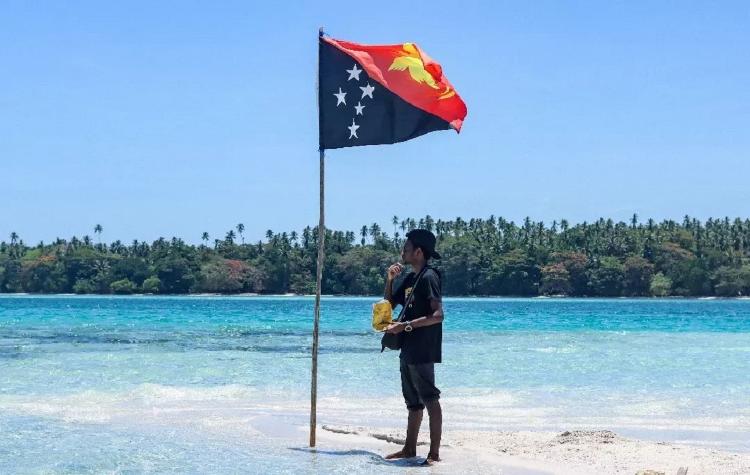
Except for a period in WWII with the Japanese invasion, Papua New Guinea remained an Australian colony until 1975, when it gained independence.
It is unknown how, but Engelhardt survived until 1919 when he died weighing just over 30 kilograms. He was 43 years old.
With information from UOL
This article was produced by The Rio Times’ automated newsroom system. How we use AI · Report an error · Editorial responsibility: Matthias Camenzind, Editor-in-Chief
Read More from The Rio Times