Namibia Warns Water Shortages Could Return
Namibia’s government says shortages could keep returning each dry season, and it has listed repairs, boreholes and desalination plants without giving a finish date.

Africa: Namibia
Namibia’s water minister told parliament on Thursday 26 November 2026 that the country’s water shortages could return in every dry season for the next few years. Inge Zaamwani, who runs the Ministry of Agriculture, Fisheries, Water and Land Reform, spoke to the National Assembly, the lower house of parliament.
Some communities already face rationing, and the capital’s main dams hold far less than a year ago. For households and businesses in Namibia, the message is that supply will stay fragile until new sources and repairs arrive.
Key Facts
- Who. Inge Zaamwani, Namibia’s water minister, speaking to the National Assembly, the lower house of parliament.
- What. Shortages could recur every dry season for the next few years.
- Dams. Windhoek’s three main dams stood at 39.4% on 16 November, against 63.9% a year earlier.
- Response. Rationing, tankers, 95 boreholes and 13 small desalination plants.
- As of. 27 November 2026, 05:00 GMT.
Namibia’s government says shortages could keep returning each dry season, and it has listed repairs, boreholes and desalination plants without giving a finish date.
Parliament had already pressed the ministry on the issue: in late September 2026 Diederik Vries, chief whip of the opposition Popular Democratic Movement (PDM), tabled questions for Zaamwani. He asked the government to disclose the extent of the infrastructure backlog and debts at NamWater, the Namibia Water Corporation, the state bulk water supplier.
On 26 November Zaamwani named three causes. “The crisis is worsened by power interruptions, inadequate pipelines and declining water sources,” she told the National Assembly.
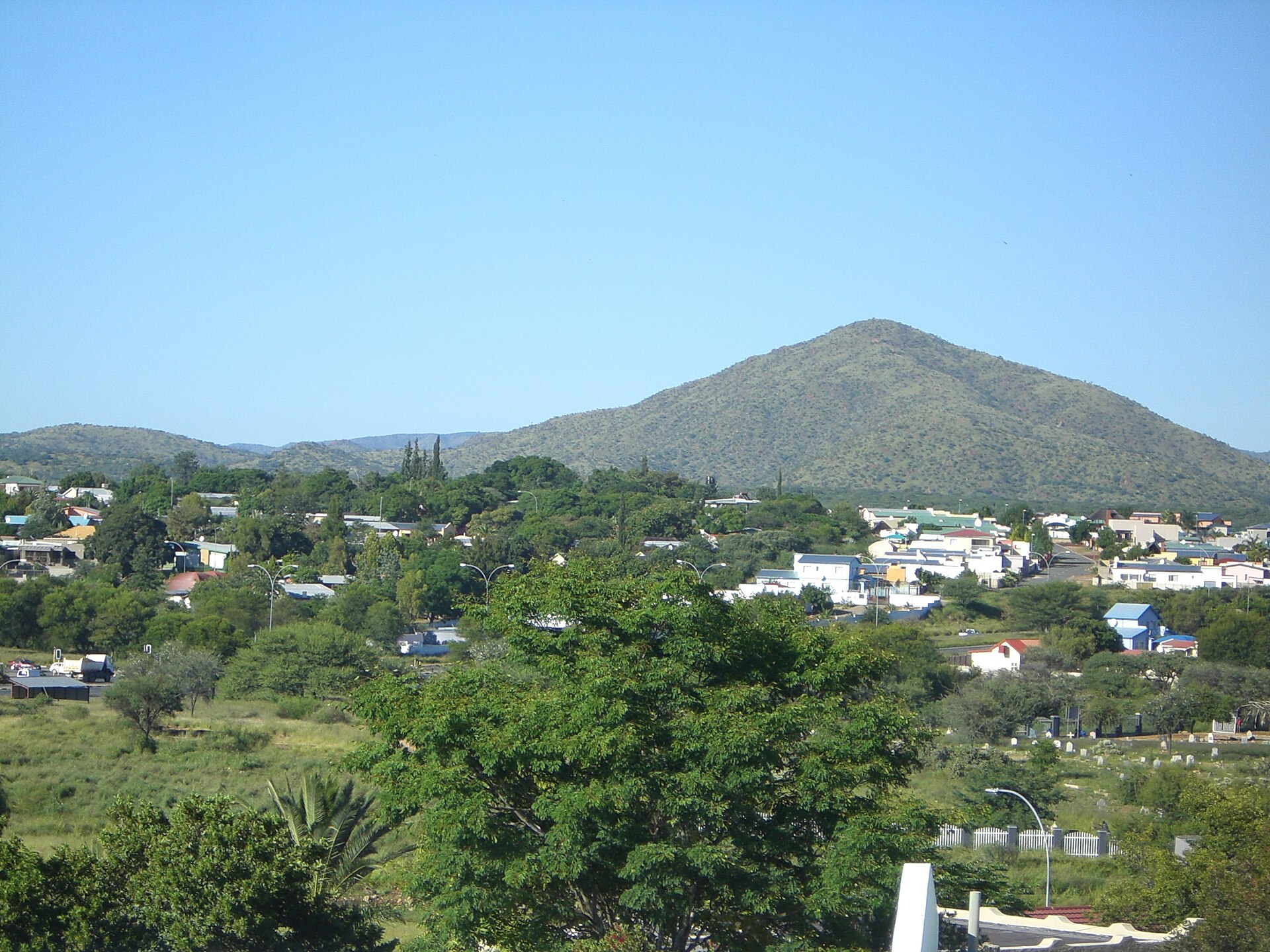
She said national dam storage stood at 76.4% on 16 November 2026, down from 79.7% a year earlier. The three main dams that supply Windhoek, the capital, held only 39.4%, against 63.9% a year earlier, and one of them, Omatako Dam, is empty.
Dam storage is the share of a reservoir’s capacity that is currently filled with water. A lower share leaves less in reserve for the towns and cities that draw on it.
NamWater recorded 22 major power-related interruptions between April and September 2026, the minister said. Fourteen of them were unplanned.
A proposed roll-out of standby generators in the area served by the Northern Regional Electricity Distributor, the regional power distributor for northern Namibia, remains unfunded. It would cost N$50 million (about US$2.9 million at roughly 17.4 rand per US$ on 27 November 2026, with the Namibian dollar pegged one to one to the rand).
In the northern Oshikoto region, more than 2,600 households depend on pipelines that need booster pumps, the minister said. Parts of Rundu, in the north-east, are rationed.
In Kunene region, in the north-west, the water plant at the town of Opuwo supplies 140 cubic metres an hour against demand of 250. The minister also urged local authorities to fix leaking pipes, some of which lose up to 40% of the water supplied.
The minister said NamWater has introduced rotational rationing, deployed water tankers and is installing 95 boreholes countrywide. The government is also building 13 small desalination plants, which turn sea water into drinking water.
She asked communities to conserve water. She also asked them to report leaks and illegal connections.
The minister did not say how much the repairs and the desalination plants will cost, or when they will be finished. Without those figures, the funding gap beyond the N$50 million for generators cannot be sized.
Frequently Asked Questions
Will Namibia’s water shortages end soon?
The water minister told parliament that shortages could return every dry season for the next few years. She did not say when the repairs will be finished.
Why is Windhoek short of water?
The minister blamed power interruptions, inadequate pipelines and declining water sources. The main dams supplying the capital also hold much less than a year ago.
What can residents do?
The minister asked communities to conserve water. She also asked them to report leaks and illegal connections.
Sources
Statement of the Minister of Agriculture, Fisheries, Water and Land Reform to the National Assembly, 26 November 2026; parliamentary questions tabled 29 September 2026 · National Assembly of Namibia · NamWater · Ministry of Agriculture, Fisheries, Water and Land Reform
Connected Coverage
Namibia news · Namibia Oil Could Add US$18 Billion a Year · Standard Bank Namibia Backs Wind Farm
This article was produced by The Rio Times’ automated AI newsroom. Editorial responsibility: Matthias Camenzind, Publisher and Editor-in-Chief. The Rio Times also runs Ask Rio Times, which answers from 100,000+ of our own articles, the daily Latin America Power Map, and prediction-market odds on elections and markets.. How we use AI · Report an error