Mexico Is Auditing Work-Visa Sponsors Harder: Who’s Affected, Who Isn’t
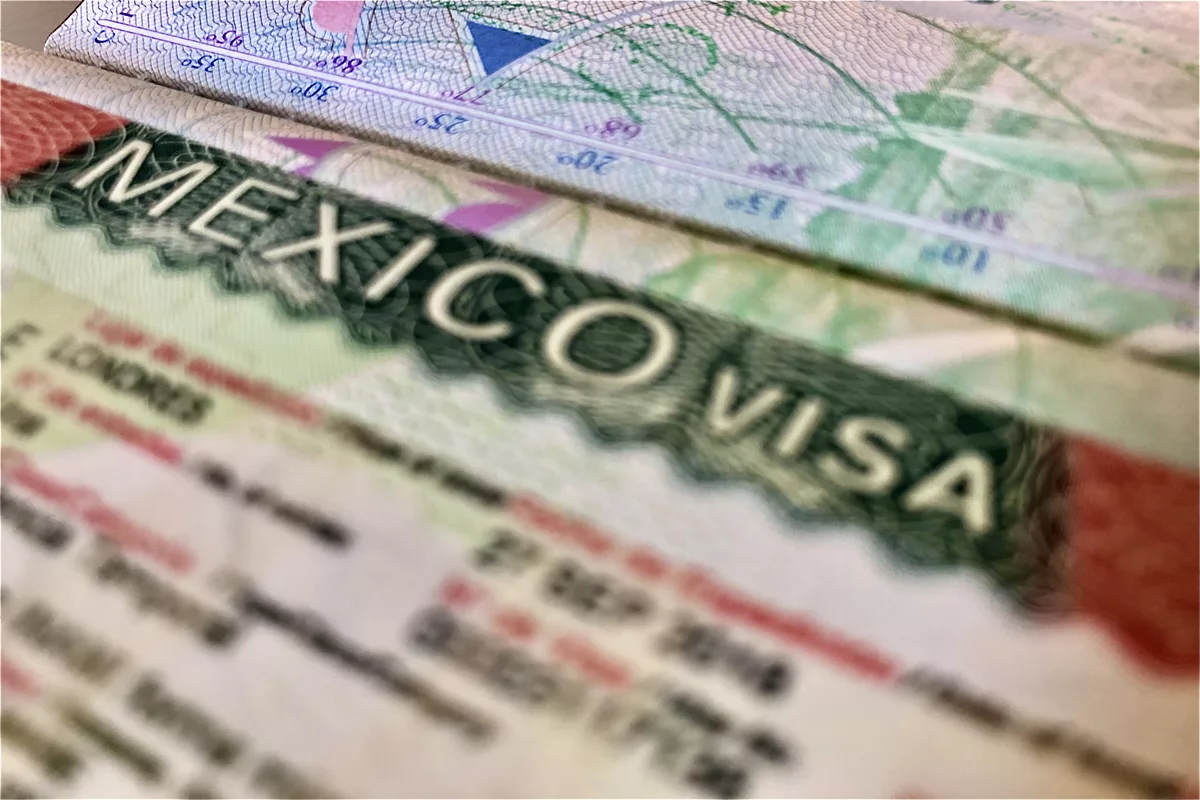
Mexico has tightened the rules for work visas — but the change is narrower than the headlines suggest. It targets employer-sponsored residency, not the income-based route most retirees and remote workers use, and tourism is untouched.
Key Facts
- What changed. Amended visa guidelines, in force since May 2026, tighten checks on employment-based residency.
- Who’s affected. Foreigners on employer-sponsored Temporary Resident Visas, and their sponsoring companies.
- Who isn’t. Retirees and remote workers using the income or savings route, and visa-free tourists.
- The friction. Detailed offer letters, deeper credential checks and employer audits, all lengthening processing.
- New category. A route for highly skilled staff doing unpaid knowledge-transfer work was added.
What changed
Amendments to the General Guidelines for the Issuance of Visas took effect in May 2026. They strengthen oversight of the Temporary Resident Visa granted on the basis of a job offer, the main route for foreigners taking paid work in Mexico.
Employers now face stricter compliance reviews and possible workplace inspections, and applicants’ credentials are checked more closely.
Who is affected
The changes hit foreign nationals whose residency is sponsored by a Mexican employer, and the companies that sponsor them. Offer letters must now spell out duties, work modality, project scope, location and the business rationale for the hire.
Academic and professional credentials, from degrees to certifications and technical experience, face expanded verification, especially in specialised roles. All of this lengthens processing.
Who is not
The economic-solvency Temporary Resident route is unchanged. Retirees and remote workers who qualify on income of about US$4,400 a month, or savings of around US$74,000, are unaffected by the new employer checks.
Tourism is also untouched: holders of a valid US, Canadian, UK, Japanese or Schengen visa, or permanent residency, still enter visa-free for up to 180 days.
A new skilled-transfer category
The amendments also created a category for highly skilled personnel carrying out unpaid work focused on transferring knowledge to Mexican employees. It is aimed at short specialist assignments rather than ordinary employment.
For most foreigners moving to Mexico to live rather than to take a local job, the practical picture is unchanged.
What to do
If your move depends on an employer sponsoring your visa, budget for more paperwork and a longer timeline, and make sure the offer letter carries the new detail. Companies should review their compliance standing before filing.
Confirm the current guideline text with Mexico’s immigration institute, the INM, or a Mexican immigration lawyer. This is general information, not legal advice.
More: Latin America news in English, every day from The Rio Times.
Frequently Asked Questions
Did Mexico make work visas harder?
It tightened the employer-sponsored route with tougher audits and credential checks, in force since May 2026. Processing takes longer.
Does this affect retirees or remote workers?
No. The income and savings routes for Temporary Residency are unchanged, as is visa-free tourism.
What do employers have to do now?
Provide detailed offer letters, face compliance reviews and possible inspections, and support applicants’ credential verification.
Is tourist entry to Mexico changing?
No. Holders of a valid US, Canadian, UK, Japanese or Schengen visa or permanent residency still enter visa-free for up to 180 days.
Where can I confirm the rules?
With Mexico’s INM or a Mexican immigration lawyer, as the guidelines can be updated.
This article was produced by The Rio Times’ automated newsroom system. How we use AI · Report an error · Editorial responsibility: Matthias Camenzind, Editor-in-Chief
Expat Guide to Mexico
What The Rio Times publishes for foreigners who live in or move to Mexico.
Start here
- Mexican Peso Falls Past 18.40 on Central Bank Minutes
- Crocodiles in Puerto Vallarta Safety Guide
- Mexico Security and Crime Explained 2026
- Mexico Visa Options 2026 Explained
City guides
Mexico City, Playa del Carmen, Tulum, Puerto Vallarta, Mérida, Oaxaca, Guadalajara, Monterrey, Cancún
Coming up in Mexico
- Tulum Events in October 2026, Tickets From US$14 16 Oct
- Playa del Carmen Events in October 2026, From Free 17 Oct
- What to Do in Puerto Vallarta in October 2026 18 Oct
- Expo Cerveza México 2026 Mexico City: Over 150 Breweries, 23–25 October 25 Oct
Understand Mexico