Priced Out of Mexican Residency? The Alternative Routes for 2026
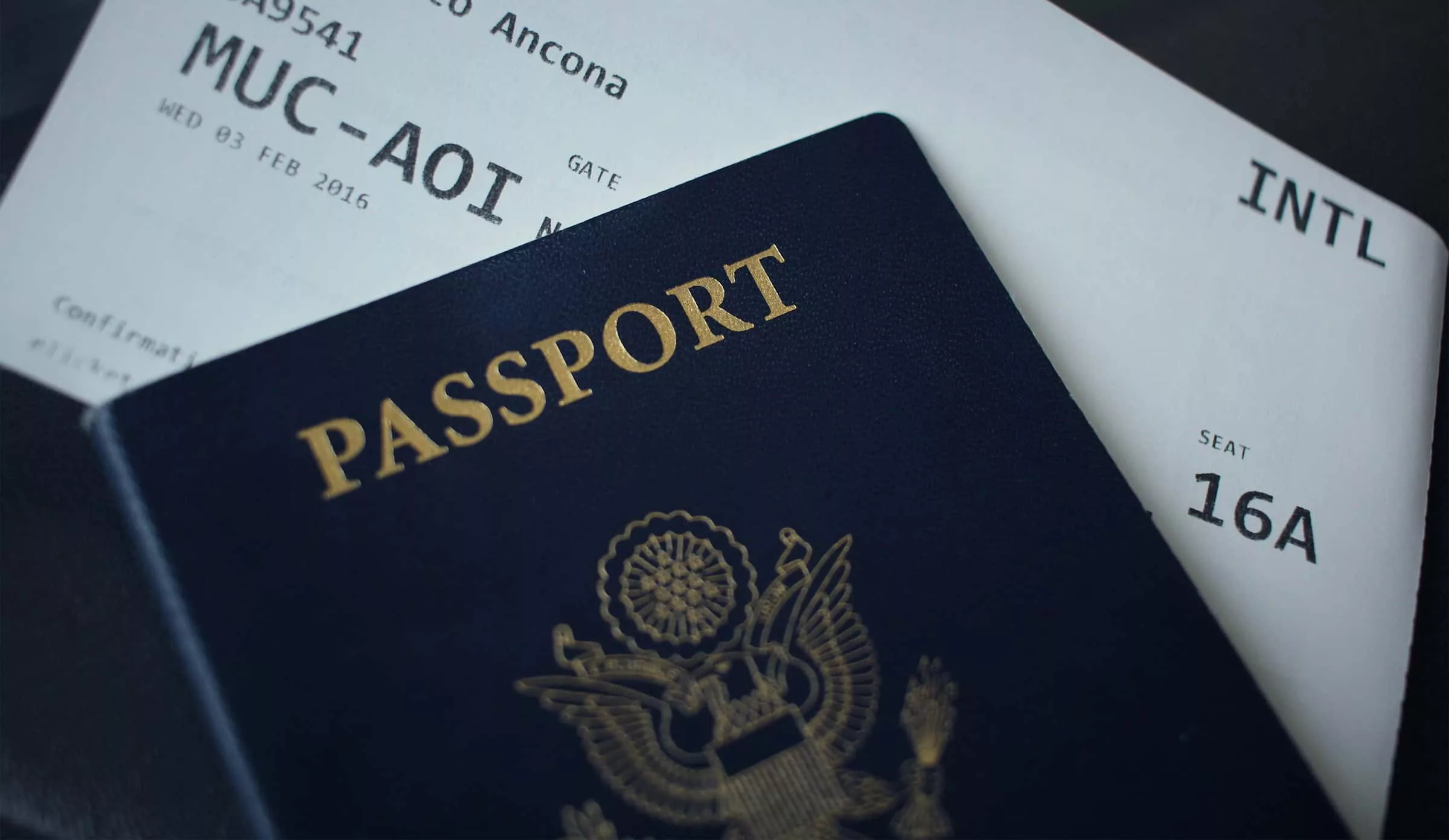
*Mexico raised its temporary residency income threshold to around US$4,400 monthly in 2026, but savings of US$74,000, qualifying property ownership, capital investment, or marriage to a Mexican citizen offer alternative routes.*
Mexico’s residency income requirement rose sharply in 2026. That jump has priced some would-be movers out of the country they hoped to settle in.
But income is only one of several ways to qualify. For many people, savings, property or a family tie is the easier route.
Key Facts
- The income bar. Temporary residency by income now needs about US$4,400 a month in 2026.
- Savings instead. You can qualify with around US$74,000 in savings or investments.
- Property route. Owning Mexican property above a high government-set value also qualifies.
- Investment route. A qualifying capital investment in a Mexican company is another path.
- Family ties. Marriage to a Mexican carries no income test and a fee discount.
Why the bar went up
Since 2026, Mexican consulates work out the residency income requirement from a measure called the UMA. In the past they used the minimum wage instead.
That change pushed the monthly income needed for temporary residency to around US$4,400. For many applicants, the shift alone made the difference between qualifying and not.
For a couple or a family, the threshold rises further with each dependent. That extra weight can put the income route out of reach.
Some retirees and remote workers would have qualified easily before. Under the new figures, the same people now fall short.
The savings route
If your monthly income falls short, you can qualify instead by showing savings or investments. This route looks at what you hold, not just what you earn.
The 2026 figure is around US$74,000, held over the year before you apply. That total can combine cash, retirement accounts and some investment funds.
For permanent residency the savings bar is considerably higher. It rewards those with larger balances built up over time.
Many applicants who cannot meet the income test turn here first. For them, the savings route is often the simplest alternative.
Property and investment
Owning Mexican real estate above a government-set value is another path. The threshold is high, running into the hundreds of thousands of dollars.
This route suits buyers who have already invested in a home. If you own property that clears the bar, the paperwork can follow.
A qualifying capital investment in a Mexican company is a further route. Money placed in fixed assets can also count.
Both are checked against current thresholds, which the government reviews. Confirm the figures with a consulate before you rely on them.
The family route
The most accessible alternative for many is family. Marriage to a Mexican national opens a residency route with no economic-solvency test at all.
Recognised cohabitation with a Mexican national works on the same basis. In both cases, income is simply not part of the test.
Having a Mexican child, or Mexican parents, can also qualify you. This falls under the same family-unity idea.
Applications in this category get a further benefit too. They receive a discount on the 2026 immigration fees.
Which route fits
The right path depends on your circumstances rather than a single rule. What works for one person may not fit the next.
Retirees with a pension often use income or savings. Buyers use property, and those with Mexican family use the family route.
Nomads who do not want residency at all can still enter as tourists. Yet long stays raise separate tax questions worth thinking about early.
For anyone planning to settle, the first step is clear. Match the route to your own situation before you begin.
Before you apply
Thresholds are set in Mexican pesos and reviewed each year. Because of that, the dollar figures move with the exchange rate.
A weaker or stronger peso can shift what you need in dollars. Always confirm the current numbers with the consulate where you will apply.
The process runs through a consulate abroad for the initial visa. Mexican immigration then handles the next steps once you arrive.
Each route has its own quirks and paperwork. A local immigration lawyer can tell you which one is cleanest for your case.
More: Latin America news in English, every day from The Rio Times.
Frequently Asked Questions
How much income does Mexican residency need?
Temporary residency by income needs about US$4,400 a month in 2026, more for dependents. The figure is set from the UMA and moves with the exchange rate.
What if my income is too low?
You can qualify through savings of around US$74,000, a property purchase, a capital investment, or family ties. Each has its own threshold.
Does marriage to a Mexican help?
Yes. It opens a family-unity route with no income test and a discount on immigration fees.
Can I qualify by buying property?
Yes, if the property’s value exceeds a high government-set threshold. Confirm the current figure with your consulate before relying on it.
Where do I apply?
Through a Mexican consulate abroad for the initial visa, then immigration in Mexico. A local lawyer can advise on the best route.
Connected Coverage
- Mexico’s 2026 residency fees doubled
- Mexico’s tightening tax net: the residency trap for long stays
- LatAm Expat & Nomad Daily Guide — Monday, July 13
This article was produced by The Rio Times’ automated newsroom system. How we use AI · Report an error · Editorial responsibility: Matthias Camenzind, Editor-in-Chief
Expat Guide to Mexico
What The Rio Times publishes for foreigners who live in or move to Mexico.
Start here
- Mexican Peso Falls Past 18.40 on Central Bank Minutes
- Crocodiles in Puerto Vallarta Safety Guide
- Mexico Security and Crime Explained 2026
- Mexico Visa Options 2026 Explained
City guides
Mexico City, Puerto Vallarta, Mérida, Oaxaca, Guadalajara, Monterrey, Cancún
Coming up in Mexico
- Tulum Events in October 2026, Tickets From US$14 16 Oct
- Playa del Carmen Events in October 2026, From Free 17 Oct
- Expo Cerveza México 2026 Mexico City: Over 150 Breweries, 23–25 October 25 Oct
- Mexico City Grand Prix 2026: Schedule, Tickets, Altitude and Travel Guide 30 Oct
Understand Mexico