Mexico City Museum Night: Free Art, Music and Film in July
Cultural Access
Key Facts
—Date. Museum Night falls on the last Wednesday of each month; in July 2026 that means the final Wednesday.
—Hours. Programming runs from roughly 6:00 pm to 10:00 pm, with some venues opening earlier.
—Cost. Most activities and museum entries are free; a few special exhibitions may charge a modest fee.
—Scale. Around 45 or more museums and cultural venues participate each month across the city.
—Activities. Dance performances, concerts, film screenings, guided night tours and hands-on workshops are standard offerings.
Mexico City Museum Night returns in July 2026 with a sprawling programme of free dance, live music, cinema and after-dark tours across more than 45 cultural venues, reinforcing the capital’s reputation as one of Latin America’s most accessible cultural destinations.
What Mexico City Museum Night actually is
Noche de Museos is a fixed monthly fixture on the capital’s cultural calendar, held on the last Wednesday of every month from January through November. The concept is straightforward: dozens of museums extend their hours into the evening and layer in special programming that goes well beyond daytime exhibitions.
The city’s Culture Secretariat coordinates the effort, but each venue curates its own lineup. The result is a decentralised festival where a visitor can catch a contemporary dance piece in one museum, walk fifteen minutes to a jazz concert in a historic hall, and end the night with an open-air film screening.
For a foreign reader unfamiliar with the city’s layout, this matters because Mexico City is vast and its cultural wealth can feel scattered. Museum Night effectively compresses the map, turning a handful of walkable neighbourhoods into a single, late-night cultural campus.
It also lowers the psychological barrier to entering grand institutional buildings that first-time visitors might otherwise find intimidating.
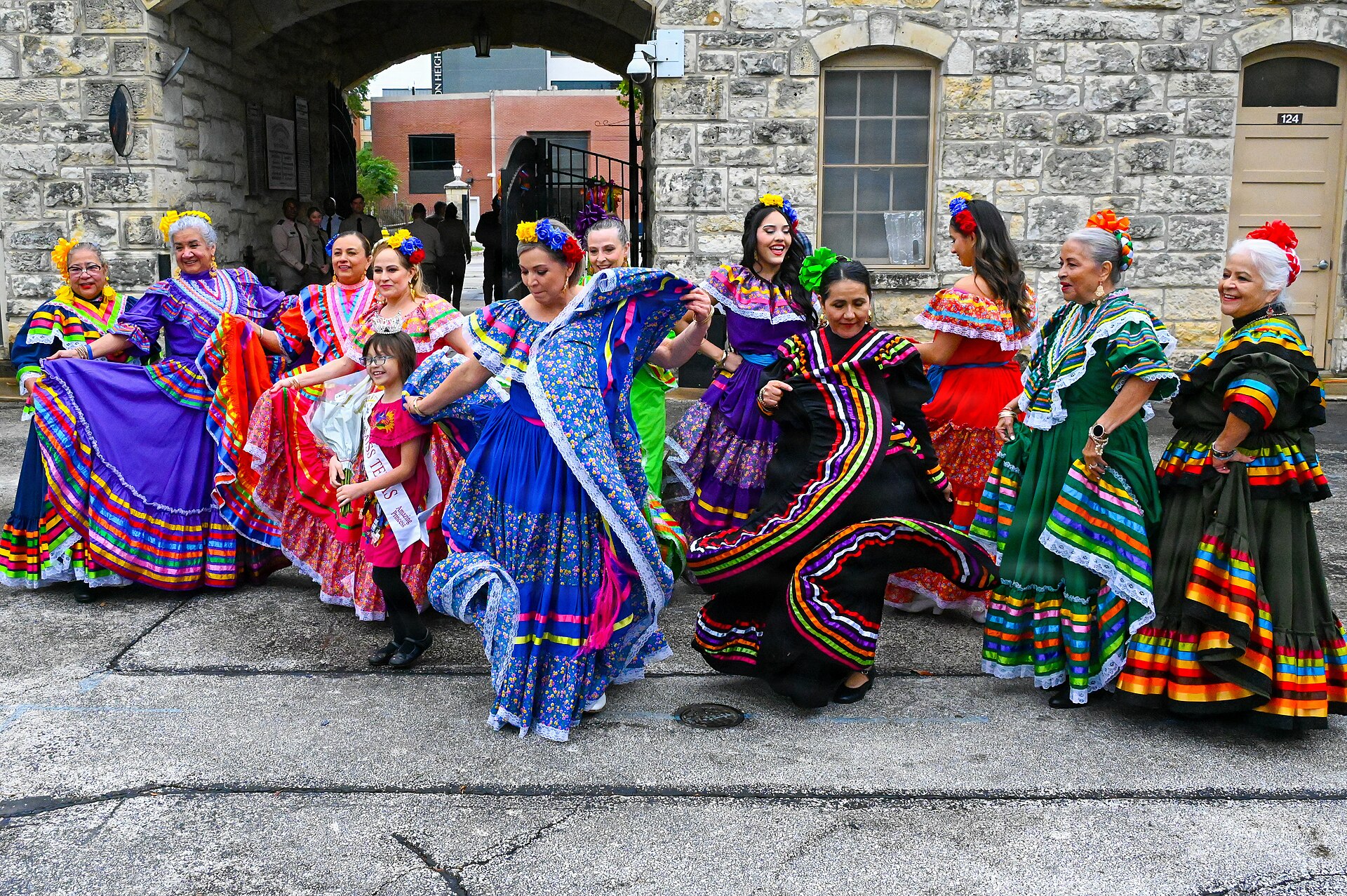
Dance, rides and performance take centre stage
Recent editions have featured contemporary dance works staged inside museums themselves. The Museo de Historia Natural y Cultura Ambiental, for instance, has hosted pieces inspired by Mexican fauna, turning gallery spaces into performance venues.
Theatrical night tours are another staple. The Museo Nacional de la Revolución and other historic sites run dramatised guided visits after dark, blending performance with history.
While not a funfair, the interactive and immersive nature of these tours gives the evening a kinetic, participatory feel that families and solo visitors alike find appealing.
This blurring of lines between gallery, theatre and public square is part of a broader trend in Latin American cultural policy, where institutions are pushed to become more porous and less ceremonial. The significance for a city as large as Mexico City is that it distributes cultural participation beyond the usual downtown cluster, drawing residents into venues they might pass daily but never enter.
Music in emblematic halls and unexpected corners
Live music is a cornerstone of every Mexico City Museum Night. The Salón de Cabildos in the Antiguo Palacio del Ayuntamiento regularly hosts Filarmónica performances and chamber ensembles in a setting that rivals dedicated concert halls.
Smaller venues take a more eclectic approach. The Museo Yancuic has programmed tribute concerts, while other spaces feature jazz quartets, solo recitals and experimental sound installations.
Capacity is often limited, so arriving early is advisable for the most popular performances.
What makes the musical offering distinctive is the setting itself. Hearing a string quartet inside a colonial-era hall or a jazz ensemble beneath a museum rotunda adds an acoustic and atmospheric layer that a standard ticket at a concert hall cannot replicate.
For expats still building a social and cultural map of the city, these evenings double as an introduction to venues they can return to during regular hours.
Cinema under the stars and inside the galleries
Film programming runs the gamut from documentary screenings to outdoor cinema experiences. Venues such as Faro Azcapotzalco and the Aragon Lighthouse have set up large screens in open-air spaces, with free admission and a first-come, first-served policy.
Indoor venues contribute video art and documentary installations. The Museo Mural Diego Rivera, for example, has integrated moving-image works into its exhibition spaces, offering a quieter counterpoint to the outdoor screenings.
The open-air screenings in particular tap into a long tradition of public cinema in Latin American cities, where plazas and parks become communal living rooms after sunset. For families, the appeal is obvious: it is a rare chance to introduce children to documentary or classic film in a setting that costs nothing and tolerates the natural restlessness of young viewers.
The practical read-through for expats and investors
For the foreign professionals and expats who make up a growing share of Mexico City’s population, Museum Night is more than a pleasant evening out. It is a low-barrier entry point to neighbourhoods and institutions that can feel opaque during business hours.
The programme also signals something about the city’s governance model. Sustaining a monthly, multi-venue cultural event at this scale requires coordination across boroughs and cultural agencies, and it reflects a deliberate policy choice to keep high-quality programming accessible.
For investors watching the city’s quality-of-life indicators, that consistency matters.
It is worth understanding that in a metropolis where income inequality can segregate cultural consumption, a free, recurrent event of this size functions as a kind of public good. It signals to international firms considering a Mexico City presence that the local government invests in liveability not as a one-off gesture but as a programmed, predictable service.
How to navigate the July edition
The exact July 2026 schedule will be published on the official Noche de Museos channels and the Mexico City Culture Secretariat website shortly before the event. The programme typically lists over 90 separate activities, specifying which are free, which require prior registration, and any capacity limits.
Most venues cluster in the Centro Histórico, Chapultepec and Coyoacán corridors, making it feasible to visit two or three sites in a single evening. Public transport and ride-hailing services are the most practical ways to move between venues, given evening traffic and limited parking near popular museums.
What remains to be seen is whether the July edition introduces any new venues or thematic strands that respond to the city’s current cultural priorities. Observers will also be watching whether registration requirements tighten for high-demand events, a shift that could change the spontaneous, drop-in character that has defined the programme so far.
For now, the safest approach is to check the official channels a few days ahead and plan a route that mixes one headline event with a couple of lower-profile stops.
Frequently Asked Questions
Is Mexico City Museum Night really free?
Yes, the vast majority of activities and museum entries during Noche de Museos are free of charge. A small number of special exhibitions inside participating museums may charge a modest admission fee, but these are clearly marked in the official programme.
Which museums participate in the July edition?
The full list is published by the Culture Secretariat a few days before the event, but regular participants include the Museo del Palacio de Bellas Artes, Museo Nacional de Antropología, Castillo de Chapultepec, Museo Mural Diego Rivera and the Museo Nacional de la Revolución. Around 45 venues take part each month.
Do I need to register in advance for Museum Night activities?
Some activities, particularly concerts and guided tours with limited capacity, require prior registration. The official programme for each edition specifies which events need advance sign-up and provides the relevant links or contact details.
Connected Coverage
Sources: Mexico City Culture Secretariat.
This article was produced by The Rio Times’ automated newsroom system. How we use AI · Report an error
Read More from The Rio Times