Mali Gets Nearly 58 Million Litres of Fuel
Mali's authorities report nearly 58 million litres of fuel delivered in one week, in a country where fuel convoys have come under attack.

Brief: Mali
Mali’s authorities reported on Monday 23 November 2026 that 57.97 million litres of diesel and petrol reached the country between Friday 13 and Thursday 19 November 2026, carried by 1,277 tanker trucks. The figures come from the 38th meeting of the consultation framework between the State and the petroleum trade groups, chaired by Industry and Commerce Minister Moussa Alassane Diallo.
Regulation stocks, a buffer held against shortages, stood at 32.03 million litres, made up of 20.69 million litres of diesel and 11.34 million of petrol. The reports do not give the date of the stock count.
Key Facts
- Who. Mali’s Industry and Commerce Minister Moussa Alassane Diallo chaired the 38th fuel consultation meeting.
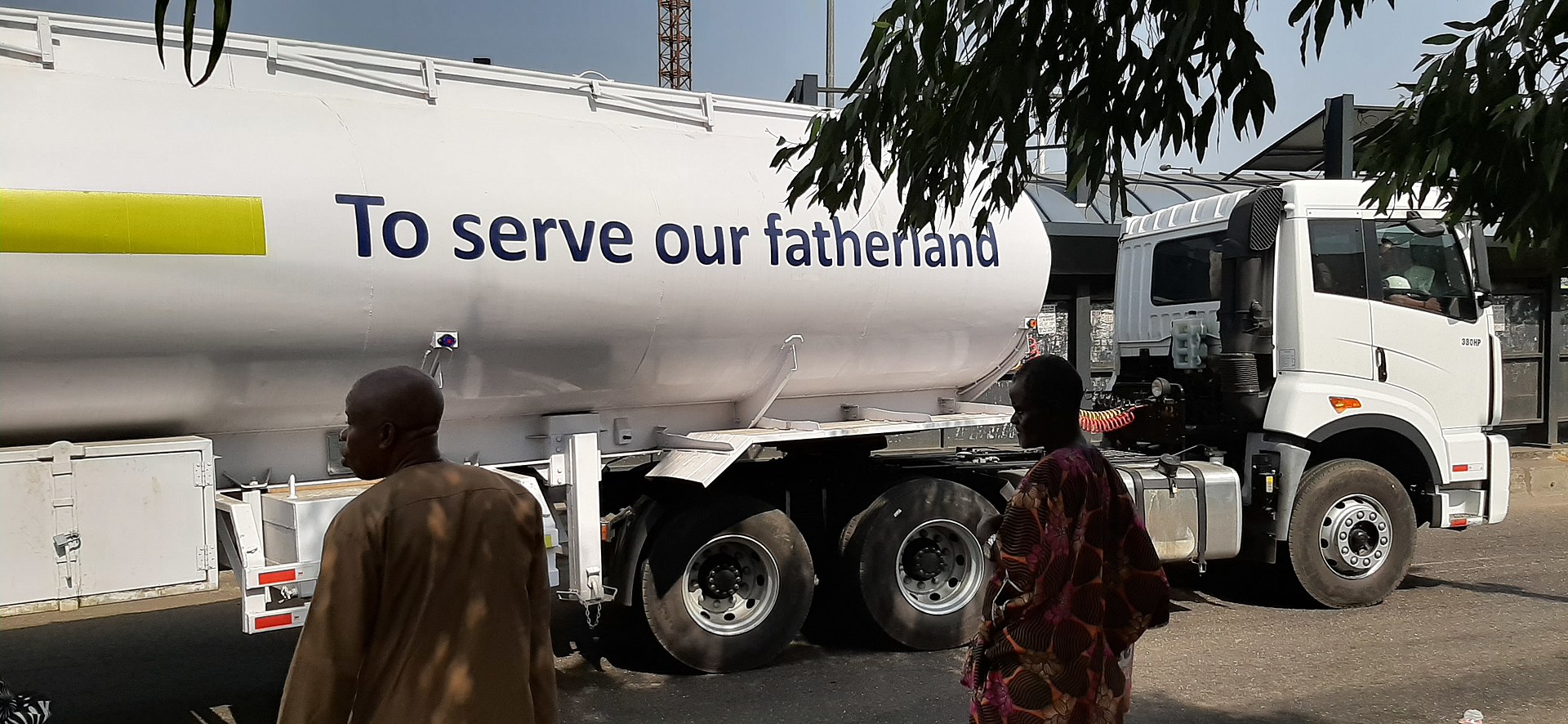
- What. 57.97 million litres of diesel and petrol arrived in 1,277 tankers.
- When. Week from Friday 13 to Thursday 19 November 2026.
- As of. 24 November 2026, 07:00 GMT
Mali’s authorities report nearly 58 million litres of fuel delivered in one week, in a country where fuel convoys have come under attack.
At the 37th meeting on Thursday 22 October 2026, the same ministry reported 1,288 tankers and 58,589,000 litres for the week of 16 to 22 October. Stocks then stood at 17,535,000 litres of diesel and 8,971,000 litres of petrol, 26.5 million in total.
Set side by side, the latest week brought about 1.1% fewer litres and 11 fewer tankers, though the two weeks are not consecutive. Each truck carried about 45,400 litres in the latest week against about 45,500 in October.
Buffer stocks rose by 5.5 million litres, or 21%, between the October and November meetings. It is unclear whether the 32.03 million litres is part of the 57.97 million delivered or comes on top of it.
A report of 9 October 2026 logged 975 tankers between 27 September and 8 October, a period of 12 days. They carried about 44.1 million litres.
That works out to about 3.7 million litres a day then, against about 8.3 million a day in the latest week. The earlier window covered 12 days and the latest seven, so the two rates are only a rough guide.
At the October meeting, supply was normal except in Nara, a town in western Mali, which had run out of petrol. The minister announced measures to restore it and asked for price control at the pump.
Whether Nara has petrol today is not known. The figures also do not say how much fuel was lost or delayed on the road that week, or whether convoys were escorted.
Fuel moves by road in tankers, and that is the weak point. Bellingcat, an investigative group, counted more than 130 fuel tankers destroyed in attacks on convoys bound for Bamako since September 2025, in a report dated 3 December 2025.
ACLED, a conflict-data group, cites that investigation in describing the attacks as economic warfare against Mali’s military government by JNIM, Jama’at Nusrat al-Islam wal-Muslimin, an al-Qaeda-linked armed group. The ministry figures do not say how much of the 57.97 million litres went to Bamako.
For American and European readers with exposure to the Sahel, in travel, mining or security across the Sahel, the semi-arid belt south of the Sahara, a weekly delivery count is worth watching. The ministry document itself could not be read, so the figures stand as the authorities announced them.
The reports give no date for the next meeting. Until then, the count says fuel is arriving, and says little about where it is short.
Earlier we explained how the fuel blockade tightened the siege on Bamako. Our explainer on the junta, the gold and the jihadist war gives the wider background.
Frequently Asked Questions
Is Mali’s fuel supply back to normal?
The figures show deliveries close to October’s and a larger buffer. They do not show losses on the road or shortages in individual regions.
Why do the tankers matter so much?
Fuel arrives by road convoy, and convoys have been attacked. A steady count is therefore a sign that supply routes are holding, not proof.
Sources: Mali’s Ministry of Industry and Commerce, consultation framework State and petroleum trade groups (35th meeting 8 October, 37th meeting 22 October, 38th meeting 23 November 2026); Bellingcat (3 December 2025); ACLED.
This article was produced by The Rio Times’ automated AI newsroom. Editorial responsibility: Matthias Camenzind, Publisher and Editor-in-Chief. The Rio Times also runs Ask Rio Times, which answers from 100,000+ of our own articles, the daily Latin America Power Map, and prediction-market odds on elections and markets.. How we use AI · Report an error