Lula Said to Weigh Early Central Bank Picks
Two central bank seats have stood empty since January, and two more directors’ terms end in February. Whether Lula moves before the new Senate sits is still open.

Politics: Brazil
A Brazilian political column reports that Brazil’s government is weighing a faster path to fill four seats on the board of its central bank, the Banco Central do Brasil. The aim is for the Federal Senate, the upper house of Congress, to approve the nominees before the chamber changes in February 2027.
No decision has been announced, and the government has not named any candidates or sent a message to the Senate. For readers abroad the board matters because its nine-member rate committee, the Copom, sets Brazil’s interest rate, the Selic.
Key Facts
- Who. President Luiz Inácio Lula da Silva’s government; the Senate would vote on any nominees.
- What. The government is reported to weigh nominating four central bank directors before February 2027.
- Why. The Senate’s make-up changes in February 2027, and allies expect a tougher chamber.
- Power Index. Brazil ranks 1st of 14 in The Rio Times Latin America Power Index, with 74.2 points (November 2026 edition).
- As of. 25 November 2026, 11:55 GMT
Two central bank seats have stood empty since January, and two more directors’ terms end in February. Whether Lula moves before the new Senate sits is still open.
Two of the nine board seats have been empty since 31 December 2025, when the terms of Diogo Guillen (Economic Policy) and Renato Gomes (financial system organisation and resolution) ended. Paulo Picchetti, the international affairs director, now covers Economic Policy, and Gilneu Vivan, another director, covers the other post.
Two more terms end in February 2027, those of supervision director Ailton de Aquino and monetary policy director Nilton David. A Brazilian political column reported on 24 November 2026 that Lula was advised to send up to four nominations in 2026, so the Senate could fill all four seats at once.
Nominees first face a hearing in the Senate Economic Affairs Committee, known as the CAE, and then a vote by the full Senate. No nominee can take a board seat without both approvals.
After the October 2026 elections, the Liberal Party (PL), the conservative party of former president Jair Bolsonaro, will hold the largest bench in the Senate from February 2027. Senators allied with the government fear that a more right-leaning chamber would make approving the nominees harder.
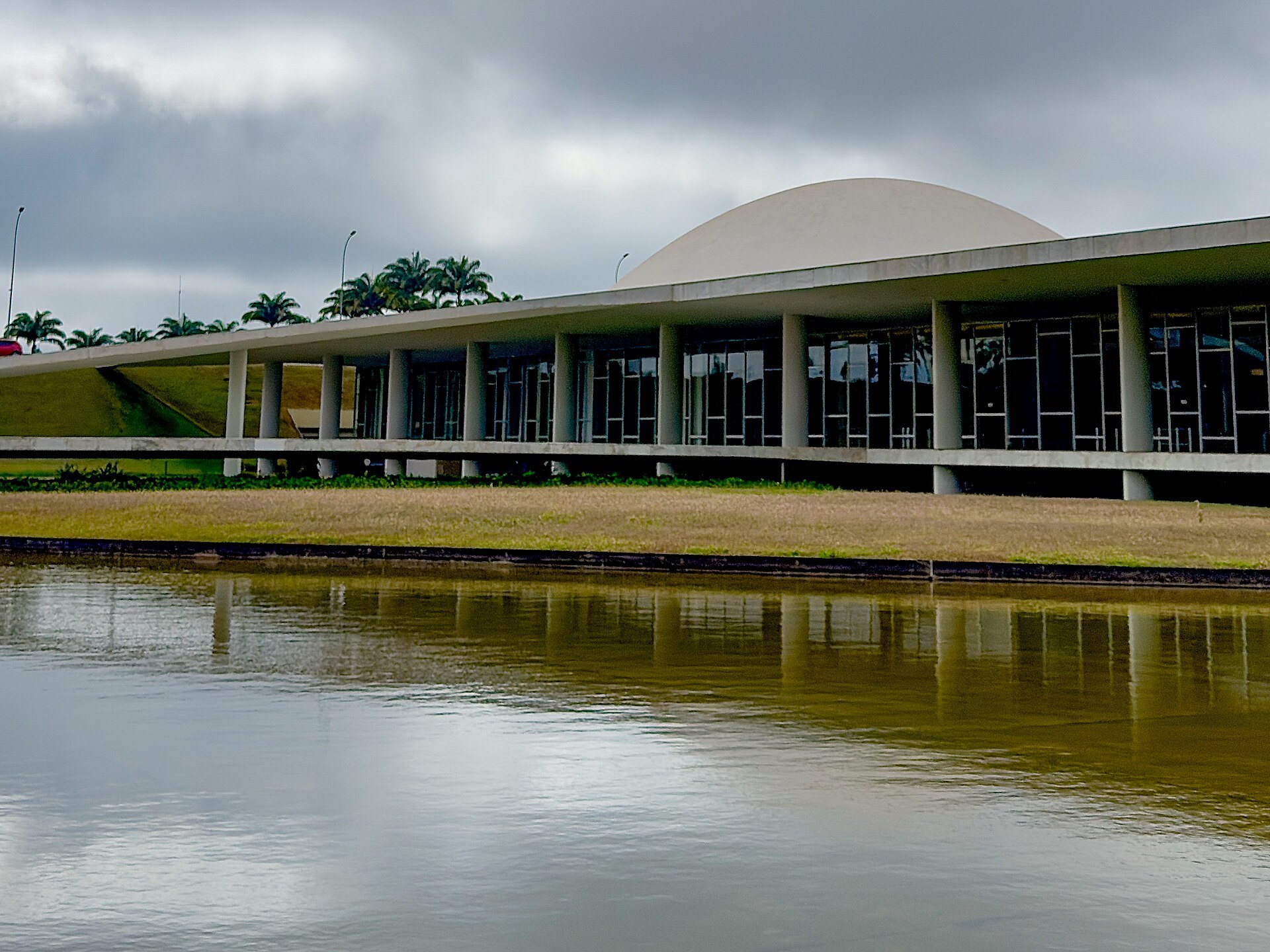
Senator Renan Calheiros of the centrist Brazilian Democratic Movement (MDB), from Alagoas state, chairs the CAE. On 9 November 2026 he told people close to him he would vote on nominations this year if the Planalto, the presidential palace, sends them.
The government had not approached him then, and he leaves the Senate in February after losing re-election in October. Calheiros sees time for votes in committee and on the floor, but says the names must be sent soon.
It is uncertain whether the CAE will be chaired next year by someone with good ties to Lula. Calheiros leaves the Senate in February, so any vote under his chairmanship has to come before then.
The Planalto’s first priority is the vacant seat on the Supreme Federal Court, empty since Supreme Court Justice Luís Roberto Barroso retired in October 2025. Lula’s earlier nominee, Attorney General Jorge Messias, was rejected by the Senate in April 2026, which was reported as a historic defeat for the government.
Inside the Planalto, the two central bank seats are seen as secondary. A court nomination would not block them, because it goes through the Constitution and Justice Committee, while bank nominees go through the CAE.
Gabriel Galípolo, the central bank’s president, said in June 2026, when asked about nominations: “The question about nominations has to be put to the president of the Republic, the mandate is his.” He has repeated this through the year.
The stakes reach beyond Brasília, because two of the Copom’s nine seats are empty and seven directors decide the Selic today. A count of 9 November 2026 says Lula has four more appointments by the end of 2027 besides the two vacancies, six nominations in all.
The government has not confirmed any plan, and no candidate has been named. The main risk on record is the allied senators’ worry, voiced on 9 November 2026, about a harder Senate.
The next dated step is February 2027, when the terms of Aquino and David end and the new Senate takes office. Reports say names could come by Friday 27 November, but the government has not confirmed a date.
Frequently Asked Questions
Is the central bank board nomination plan decided?
No, it has only been reported as an option under consideration. The government has not announced names or sent anything to the Senate.
Why would timing matter to the Senate vote?
The Senate that takes office in February is expected to be less favourable to the government. Approving nominees earlier would use the current balance of power.
Who sets Brazil’s interest rate?
The Copom, the central bank’s nine-member rate committee, sets the Selic. Empty seats mean fewer directors take that decision.
Sources
Published Wednesday 25 November 2026 · Source: Banco Central do Brasil board composition; Federal Senate nomination records; Presidency of the Republic; Banco Central do Brasil · Federal Senate · Presidency of the Republic
Connected Coverage
Brazil news · Lula Urged to Pick Calm Central Bank Board · Latin America Power Map
This article was produced by The Rio Times’ automated AI newsroom. Editorial responsibility: Matthias Camenzind, Publisher and Editor-in-Chief. The Rio Times also runs Ask Rio Times, which answers from 100,000+ of our own articles, the daily Latin America Power Map, and prediction-market odds on elections and markets.. How we use AI · Report an error
Brazil runoff, Sunday, October 25: Brazil runoff start time and results schedule. Latest: Brazil runoff polls, Flávio 51%, Lula 49%.