Kenyan Bank NCBA Profit Rises 14.5%
A Kenyan bank under new South African ownership grew profit faster than costs, but set aside more for bad corporate loans. It is the first full set of results since the takeover.

KENYA · BANKING
NCBA Group, a Kenyan bank listed on the Nairobi Securities Exchange, said on 25 November that profit after tax rose 14.5% to 18.8 billion Kenyan shillings (KES), about US$145 million, in the nine months to 30 September 2026. A year earlier it earned KES 16.4 billion (about US$126 million).
It is the first set of results since South Africa’s Nedbank took a 66% stake. Conversions use the market-data provider RT’s rate of 25 November 2026, 1 KES = US$0.007689.
Key Facts
- Who NCBA Group PLC, Kenyan lender, now a subsidiary of South Africa’s Nedbank.
- What Nine-month profit after tax up 14.5% to KES 18.8 billion (about US$145 million).
- Why Loan earnings after deposit costs rose 19.8% while costs grew only 4.3%.
- When Nine months to 30 September 2026, published 25 November 2026.
A Kenyan bank under new South African ownership grew profit faster than costs, but set aside more for bad corporate loans. It is the first full set of results since the takeover.
NCBA’s profit before tax rose 14.6% to KES 23.4 billion (about US$180 million), according to the group’s results release of 25 November. The rise in net interest income, the money earned on loans minus the interest paid on deposits, did most of the work.
Net interest income grew 19.8% to KES 38.4 billion (about US$295 million), while operating expenses rose only 4.3% to KES 29.1 billion (about US$224 million). That gap between income and costs is why profit grew faster than the balance sheet, which expanded 11.8%.
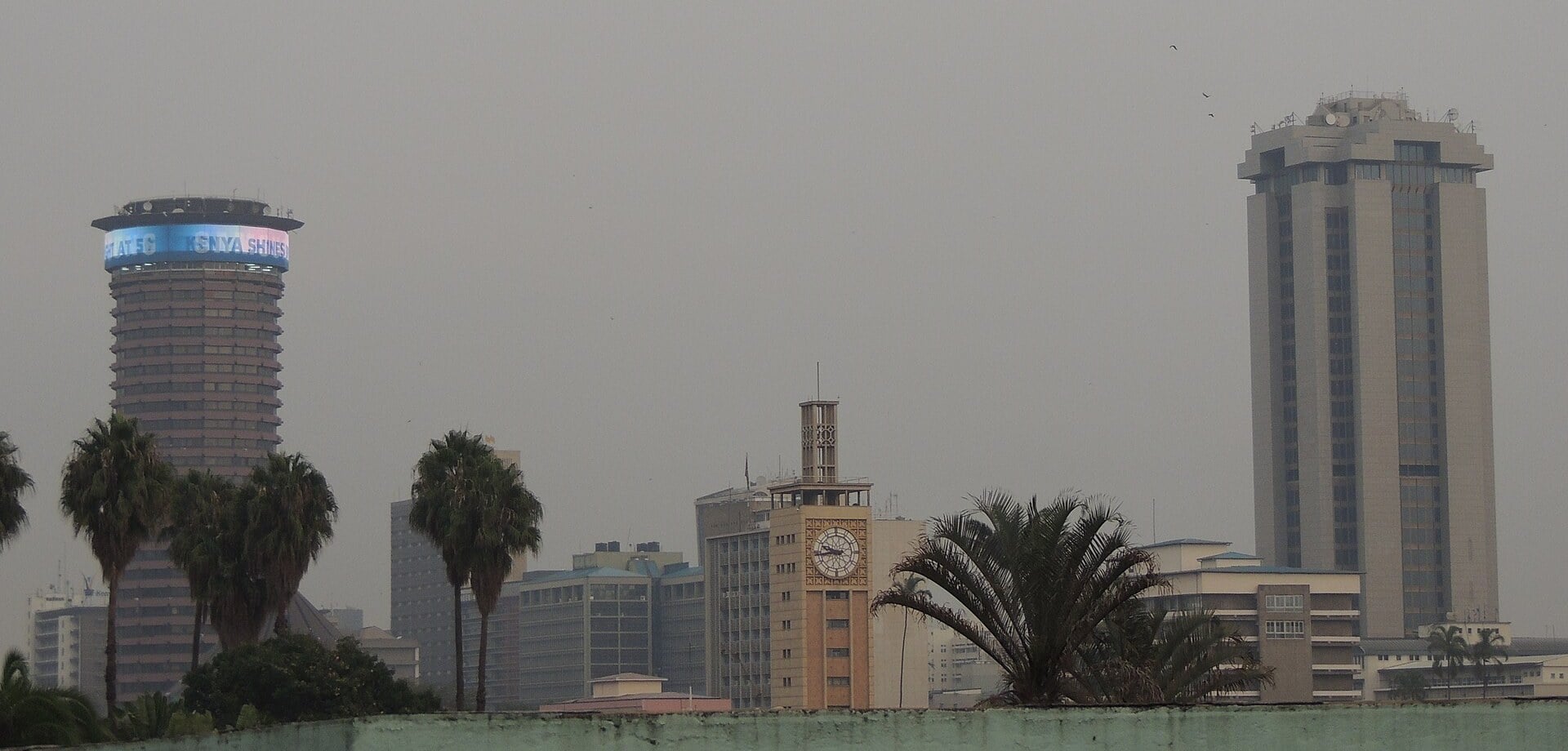
Nedbank Group Limited, a South African bank listed in Johannesburg, said in October that its offer for 66% of NCBA had become unconditional. The share transfer followed in early November 2026.
NCBA stays listed on the Nairobi Securities Exchange, with the public holding the other 34%. Nedbank’s stake gives it control, so NCBA now reports as a subsidiary of the South African lender.
Provisions are the one line moving the wrong way. NCBA set aside KES 8.0 billion (about US$61.5 million) for credit losses in the nine months, up from KES 5.1 billion (about US$39 million) a year earlier.
The company’s release ties the higher charge to an intention to strengthen coverage on a few large corporate bad loans. The share of loans classed as non-performing, meaning borrowers behind on payments, was 10.1% and stable.
Lending is growing at a pace the bank can fund. Loan growth was 10.7%, and customer deposits rose 13.5% to KES 554 billion (about US$4.26 billion), per the 30 September figures in the release.
Total assets reached KES 744 billion (about US$5.72 billion). The bank’s total capital adequacy ratio, a regulatory cushion against losses, stood at 21.4% against a required minimum of 14.5%.
Digital lending remains a signature of the franchise, with KES 1.3 trillion (about US$10 billion) disbursed over the period, up 27.2%. The figure is cumulative lending, not the size of the loan book.
Return on average equity, profit as a share of shareholders’ money, was 19.0%. CEO John Gachora said the figure underscored “the quality of our returns”, and that operating income improved 15 per cent year on year.
Kenya’s bank still earns most of the profit. NCBA Bank Kenya produced 86% of group profit before tax, while Uganda, Tanzania and Rwanda together added KES 2.7 billion (about US$21 million), with lending up 21% and deposits up 17%.
Non-bank units, covering investment banking, insurance, leasing and bancassurance (insurance sold through banks), contributed KES 1.1 billion (about US$8.5 million) of pre-tax profit. The group’s non-funded income, mainly fees, insurance and trading, rose 7.2% to KES 22.9 billion (about US$176 million).
The interest-rate setting helps explain the demand for credit. The central bank’s rate-setting panel, the Monetary Policy Committee, held its benchmark lending rate (the Central Bank Rate) at 8.75% on 7 October 2026, after cutting it to that level in February.
Lower borrowing costs tend to lift loan demand but squeeze margins over time. The release does not say how NCBA expects the rate path to affect net interest income.
For US investors, the result is a first read on a Kenyan lender now under South African ownership. Nedbank, not NCBA, is the group’s parent, so NCBA’s listed shares trade on the Nairobi exchange rather than as a US-listed security.
Two things are not yet public. NCBA’s release does not mention a dividend, and it gives no figure for what the Nedbank integration will cost or save.
Two dates would matter next: the central bank’s December rate decision (date not yet announced) and NCBA’s full-year results. Neither date is confirmed yet.
Frequently Asked Questions
Who owns NCBA now?
Nedbank Group of South Africa holds 66% after the share transfer in early November 2026, and the public holds the rest. NCBA keeps its Nairobi listing.
Why did loan-loss provisions rise?
NCBA says it wants stronger cover for a few large corporate bad loans. The headline bad-loan ratio was stable.
Where does the profit come from?
Mostly from Kenya, which gave 86% of pre-tax profit. Uganda, Tanzania and Rwanda add a smaller share.
LatAm Markets: Live Signals → — real-time movers, turnover leaders and FX across Latin America.
Sources: NCBA Group PLC, Q3 2026 results release, 25 November 2026; Central Bank of Kenya, Monetary Policy Committee press release, 7 October 2026 (centralbank.go.ke); market-data provider RT, exchange rate, 25 November 2026. Related: Nedbank takes 66% of NCBA, NCBA company profile, Kenya hub.
This article was produced by The Rio Times’ automated AI newsroom. Editorial responsibility: Matthias Camenzind, Publisher and Editor-in-Chief. The Rio Times also runs Ask Rio Times, which answers from 100,000+ of our own articles, the daily Latin America Power Map, and prediction-market odds on elections and markets.. How we use AI · Report an error