Judicial Activism Undermines Labor Reform, Costing Brazilian Businesses Billions
A recent study unveils a troubling trend in Brazil’s labor courts. Judges are increasingly overriding the 2017 labor reform, leading to soaring costs for businesses. This judicial activism could stifle economic growth and job creation in Latin America’s largest economy.
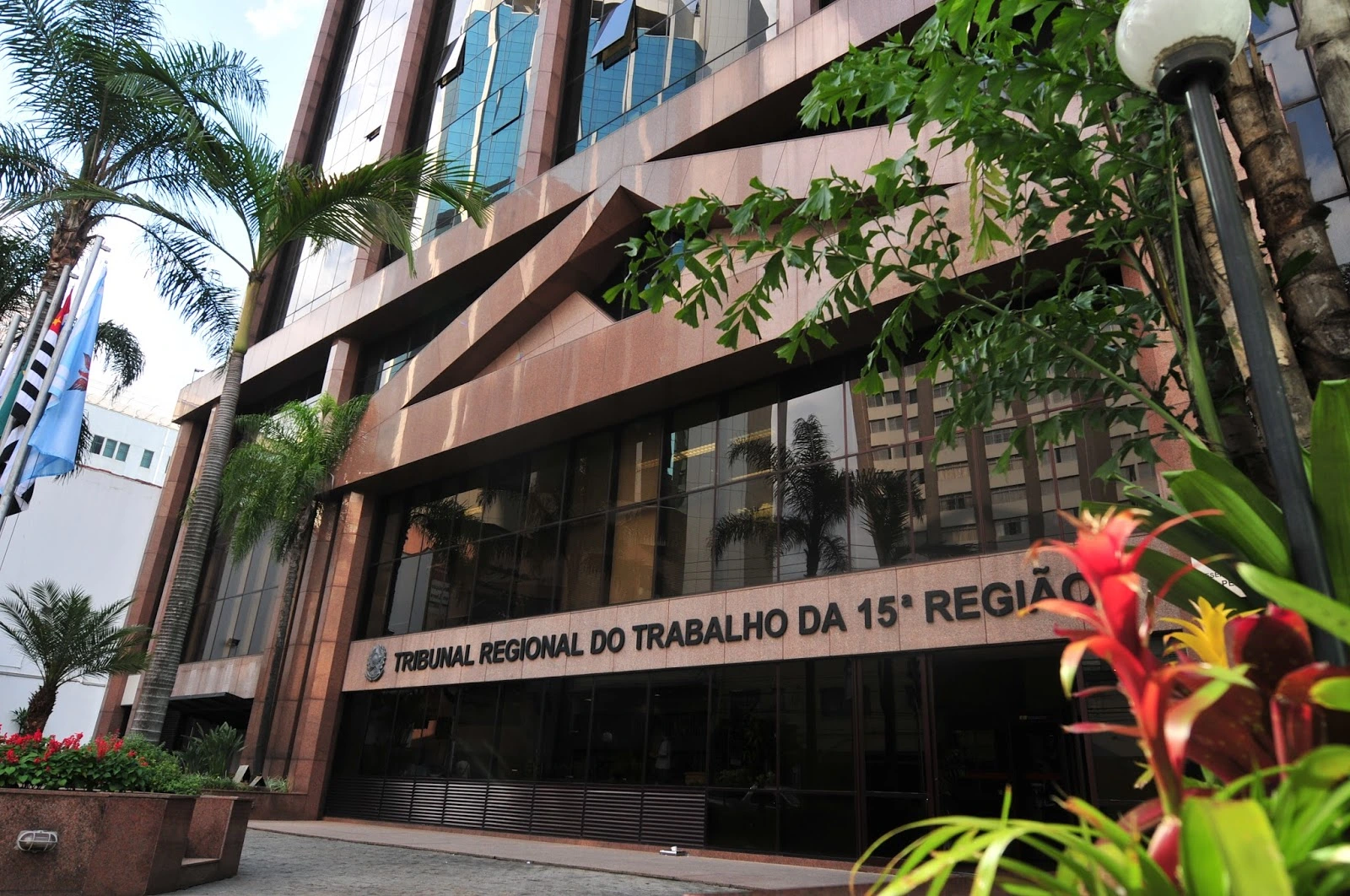
The research, led by University of São Paulo sociologist José Pastore, examined real cases across ten key areas. These include outsourcing, overtime, and free legal aid. The findings reveal a pattern of judges making decisions that contradict or exceed existing laws.
One striking example involves outsourcing. The Superior Labor Court ruled against a bank’s outsourcing practices, despite the 2017 reform legalizing outsourcing for all activities. This decision exemplifies the broader trend of judicial overreach.
The economic impact is substantial. Data from the Datalawyer platform shows 40,209 outsourcing-related lawsuits between January 2019 and July 2024. These cases cost companies R$7.23 billion ($1.27 billion). Even if only 20% succeed, businesses face a R$1.4 billion ($245.6 million) hit.
The researchers argue that ideological and paternalistic motivations drive many of these decisions. They claim this approach disregards companies’ economic needs and discourages investment. The study suggests that judges often prioritize perceived social needs over economic realities.
Judicial Activism Undermines Labor Reform, Costing Brazilian Businesses Billions
Another concerning trend is the granting of free legal aid without proper verification. This practice has led to an increase in lawsuits. In 2023, there were 1.7 million cases, up from 1.5 million in 2022.
The study cites extreme examples of this trend. In one case, an employee owning two BMWs and a Harley-Davidson received free legal aid. Another individual earning R$30,000 ($5,263) monthly also qualified based on a simple declaration.
Brazil’s Judicial Regulation of Social Media: A Crisis in Separation of Powers
These decisions affect not only businesses but also government revenue. The study estimates that 76% of lawsuit costs are covered by public funds. Between 2019 and 2024, 486,000 cases received free legal aid, costing an estimated R$56.6 billion ($9.93 billion).
The researchers propose several solutions to address these issues. They suggest subjecting legal decisions to cost-benefit analyses and regulating judicial interpretations. They also recommend increasing employee and employer involvement in rule-making processes.
This trend of judicial activism threatens to undermine the 2017 labor reform’s goals. That reform aimed to modernize Brazil’s labor laws and boost economic growth. However, the current judicial climate creates uncertainty for businesses and investors.
More: Brazil news in English, every day from The Rio Times.
This article was produced by The Rio Times’ automated newsroom system. How we use AI · Report an error
Read More from The Rio Times