Judge Partially Suspends Lawsuits in Mariana Reparation Talks
Mining giants Vale, BHP, and Samarco have requested a suspension of legal proceedings related to the 2015 Mariana dam disaster.
Judge Vinicius Cobucci partially granted this request, suspending two of four “umbrella” lawsuits. This decision affects an estimated 500 collective actions stemming from these cases.
President Lula expects to address the Mariana and Brumadinho environmental disasters by early October. A separate case against BHP is set for trial in the UK this October.
The proposed settlement could total R$167 billion ($30.36 billion), including R$100 billion ($18.18 billion) in new funds and R$30 billion ($5.45 billion) in direct obligations.
Minister Alexandre da Silveira emphasizes that this amount is more than double the initial offer of R$49 billion ($8.91 billion).
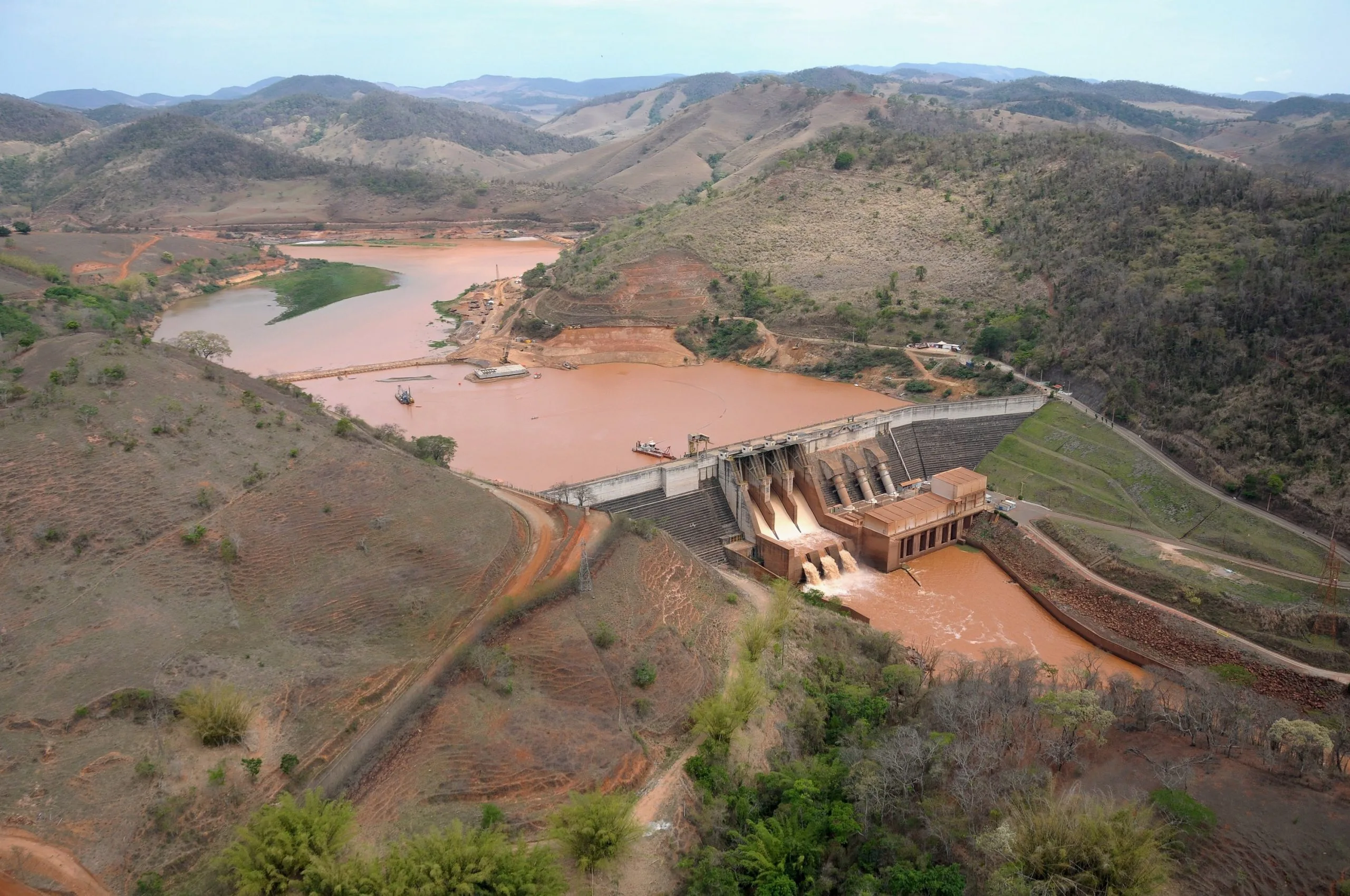
The 2015 Mariana dam collapse released 39 million cubic meters of mining waste, claiming 19 lives and affecting dozens of municipalities.
Despite a 2016 agreement, many issues remain unresolved, with over 85,000 legal proceedings active in Brazilian courts.
The potential settlement aims to address these ongoing issues comprehensively. It may deviate from the model used for the 2019 Brumadinho disaster, which Silveira criticizes for its broad distribution of funds.
A change in Vale’s leadership has sparked optimism within the government. The newly appointed president, Gustavo Pimenta, may bring fresh perspectives to the negotiation table.
However, organizations representing affected communities have expressed concerns about the lack of transparency in negotiations.
Some argue that even R$100 billion ($18.18 billion) may not suffice for comprehensive reparations.
As October approaches, all eyes turn to these crucial negotiations, which could set a precedent for corporate accountability in environmental disasters.
More: Brazil news in English, every day from The Rio Times.
This article was produced by The Rio Times’ automated newsroom system. How we use AI · Report an error
Read More from The Rio Times