Janjapalooza Festival: Transparency Concerns Shadow Brazil’s G20 Extravaganza
The Brazilian government’s recent approach to funding major events has raised eyebrows. State-owned companies Itaipu Binacional and Petrobras have contributed R$33.5 million ($5.9 million) to the G20 meeting and the Global Alliance Against Hunger and Poverty festival in Rio de Janeiro.
Itaipu Binacional provided R$15 million ($2.6 million) for the festival, G20 Social meeting, and related events. Petrobras contributed R$18.5 million ($3.23 million) to the overall G20 meeting through a partnership. Other state-owned companies have been less forthcoming about their involvement.
The festival, nicknamed “Janjapalooza” due to First Lady Rosângela da Silva’s involvement, will feature renowned artists like Alceu Valença, Zeca Pagodinho, and Ney Matogrosso. It will take place in Praça Mauá, near the Museum of Tomorrow, with free admission.
The Ministry of Culture, a key organizer, has stated that the total investment will be disclosed later. This lack of transparency extends to other state-owned entities. The National Bank for Economic and Social Development (BNDES) redirected inquiries to the Ministry of Culture.
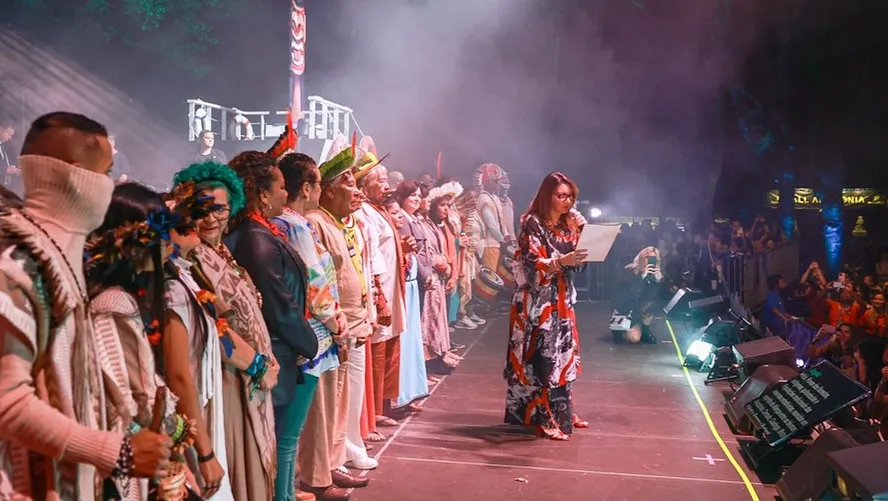
Itaipu Binacional justified its sponsorship by citing the event’s strategic importance. The company views it as an opportunity to participate in global discussions on hunger, poverty, and climate crisis. Petrobras framed its contribution as part of an international cooperation agreement, not a sponsorship.
The use of state-owned companies to fund events has become a pattern in President Luiz Inácio Lula da Silva’s third term. This approach raises questions about the allocation of public resources and the blurring of lines between government and business interests.
Janjapalooza Festival: Transparency Concerns Shadow Brazil’s G20 Extravaganza
The festival organizers have partnered with various entities, including the Rio de Janeiro city government, the Inter-American Development Bank, and the United Nations Development Programme. Artists performing at the event will receive a symbolic fee of R$30,000 ($5,200).
While the government frames these events as opportunities for global engagement, critics may see them as extravagant uses of public funds. The lack of transparency from some state-owned companies adds to the controversy surrounding the funding of these high-profile events.
As Brazil prepares to host these international gatherings, the debate over the use of state resources for such purposes is likely to continue. The government’s challenge will be to balance its global ambitions with domestic concerns about fiscal responsibility and transparency.
More: Brazil news in English, every day from The Rio Times.
This article was produced by The Rio Times’ automated newsroom system. How we use AI · Report an error
Read More from The Rio Times