Israel Signals Annexation of West Bank in Direct Reply to International Recognition of Palestine
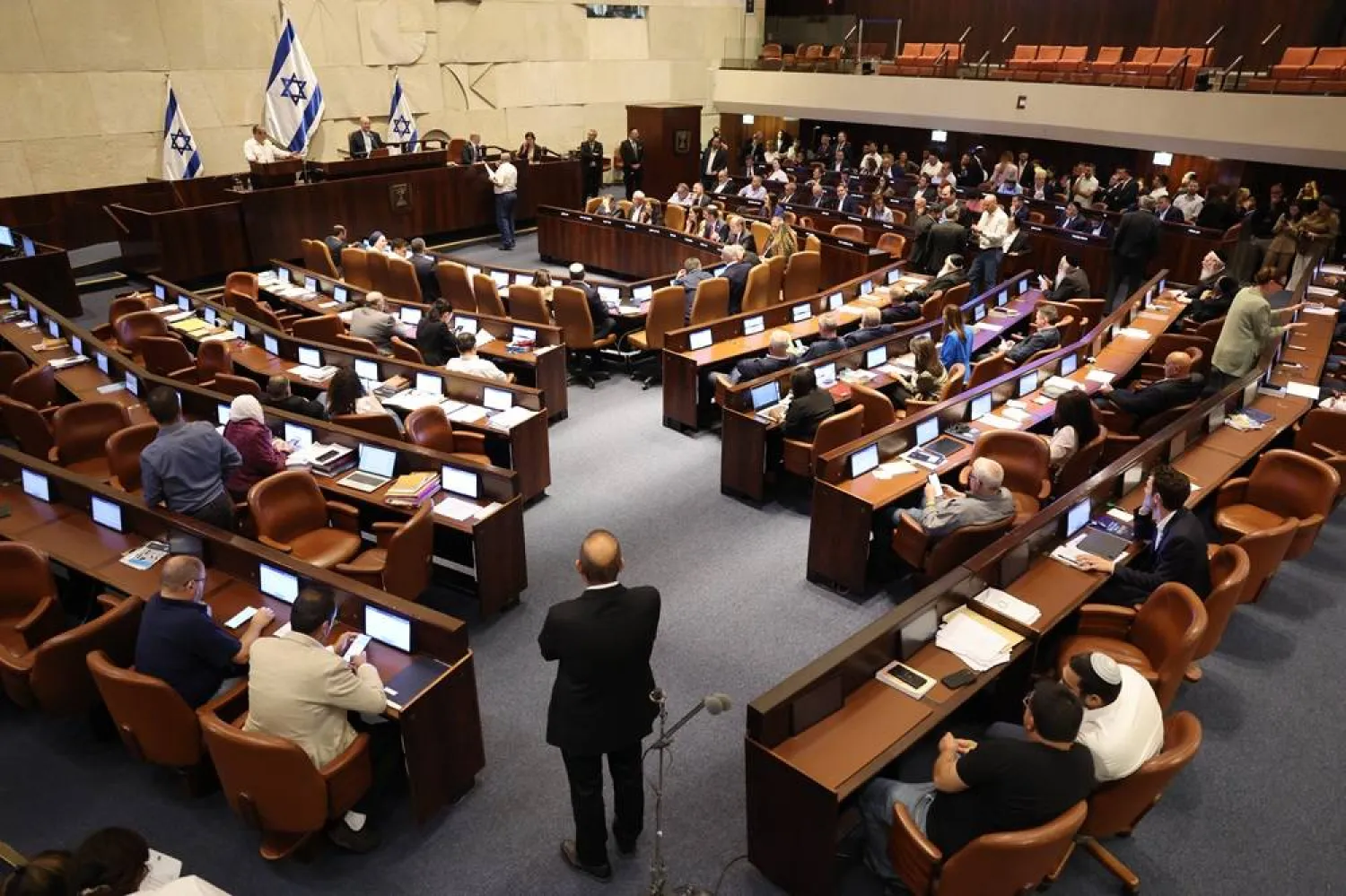
Israel’s parliament reignited annexation debate in July 2025, voting for a declaration to extend sovereignty over West Bank settlements and the Jordan Valley. The Prime Minister’s Office confirmed the security cabinet discussed the issue on 31 August.
The timing is no accident. France, the United Kingdom, Australia, and Canada recently announced plans to formally recognize a Palestinian state at the United Nations General Assembly in September.
Israeli officials described annexation as a direct response to these moves, framing recognition of Palestine as undermining Israel’s security and diplomatic standing.
Israel has previously advanced annexation. In 1980, a Basic Law declared Jerusalem its capital, and in 1981 Israel applied its laws to the Golan Heights.
The United Nations Security Council branded both measures “null and void.” The same outcome looms now: any Israeli step toward annexation would gain little, if any, international recognition.
The International Court of Justice strengthened this position in July 2024, ruling Israel’s continued presence in the occupied Palestinian territory unlawful.
The Court called on states not to recognize or support actions that maintain that situation. Security Council Resolution 2334 also states that Israeli settlements have no legal validity.
The story behind the story is a clash of strategies. Countries recognizing Palestine aim to push forward a two-state outcome by granting legitimacy.
Israel responds by threatening to formally absorb the very land Palestinians see as the heart of their state. This tit-for-tat raises the risk of turning a frozen conflict into a permanent one.
For outside observers, the consequences are clear. Annexation would harden the divide, shut down prospects of negotiation, and entrench control through domestic Israeli law.
Yet, without recognition abroad, such laws would create more isolation for Israel and deepen disputes in international courts.
This article was produced by The Rio Times’ automated newsroom system. How we use AI · Report an error
Read More from The Rio Times