IMF Envoy Says Nothing Imposed on Guinea
The IMF’s Guinea representative says nothing was imposed, while Guinean reports describe a recommended phase-out of fuel and electricity subsidies. The IMF’s own text was not available to us.

Economy: Guinea
The International Monetary Fund (IMF), the world’s crisis lender, imposed nothing on Guinea, its representative there says. Guinean news reports say the text behind its new loan urges the government to phase out fuel and electricity subsidies.
Nérée Noumon, the IMF’s resident representative in Guinea, told a press conference in Conakry on Friday 27 November 2026: “Nothing has been imposed on the Guinean authorities.” Economy Minister Mariama Ciré Sylla and Karamo Kaba, governor of the Central Bank of the Republic of Guinea, the country’s monetary authority, spoke at the same press conference.
Key Facts
- Who. Dr Noumon, the IMF’s Guinea representative, with the economy minister and central bank governor.
- What. IMF representative: nothing imposed. Guinean reports: its text urges phasing out fuel and electricity subsidies.
- Money. 310.59 million Special Drawing Rights (the IMF’s unit), reported at US$417 million to US$425 million.
- Why. Simandou, an iron-ore project in Guinea entering production, is what the IMF calls an important juncture.
- As of. 28 November 2026, 14:00 GMT.
The IMF’s Guinea representative says nothing was imposed, while Guinean reports describe a recommended phase-out of fuel and electricity subsidies. The IMF’s own text was not available to us.
IMF staff and the Guinean authorities reached a staff-level agreement, a deal struck before the IMF’s Executive Board votes, after a mission to Conakry on 16 to 29 June 2026. The IMF’s statement of 11 August 2026 put the programme at 310.59 million Special Drawing Rights (SDR, the fund’s unit), 145 percent of Guinea’s quota, its membership share.
The IMF statement of 11 August said “Guinea is at an important economic juncture as the Simandou iron ore project enters production and mining activity expands.” It warned that “inflationary pressures have increased recently, while fiscal and external buffers remain below desired levels.”
Its priorities included mining revenue, a more flexible exchange rate and governance reforms. The August statement did not mention subsidies, social protection or targeting, which leaves that question to a later Board-stage text that Guinean reports describe and that we have not read.
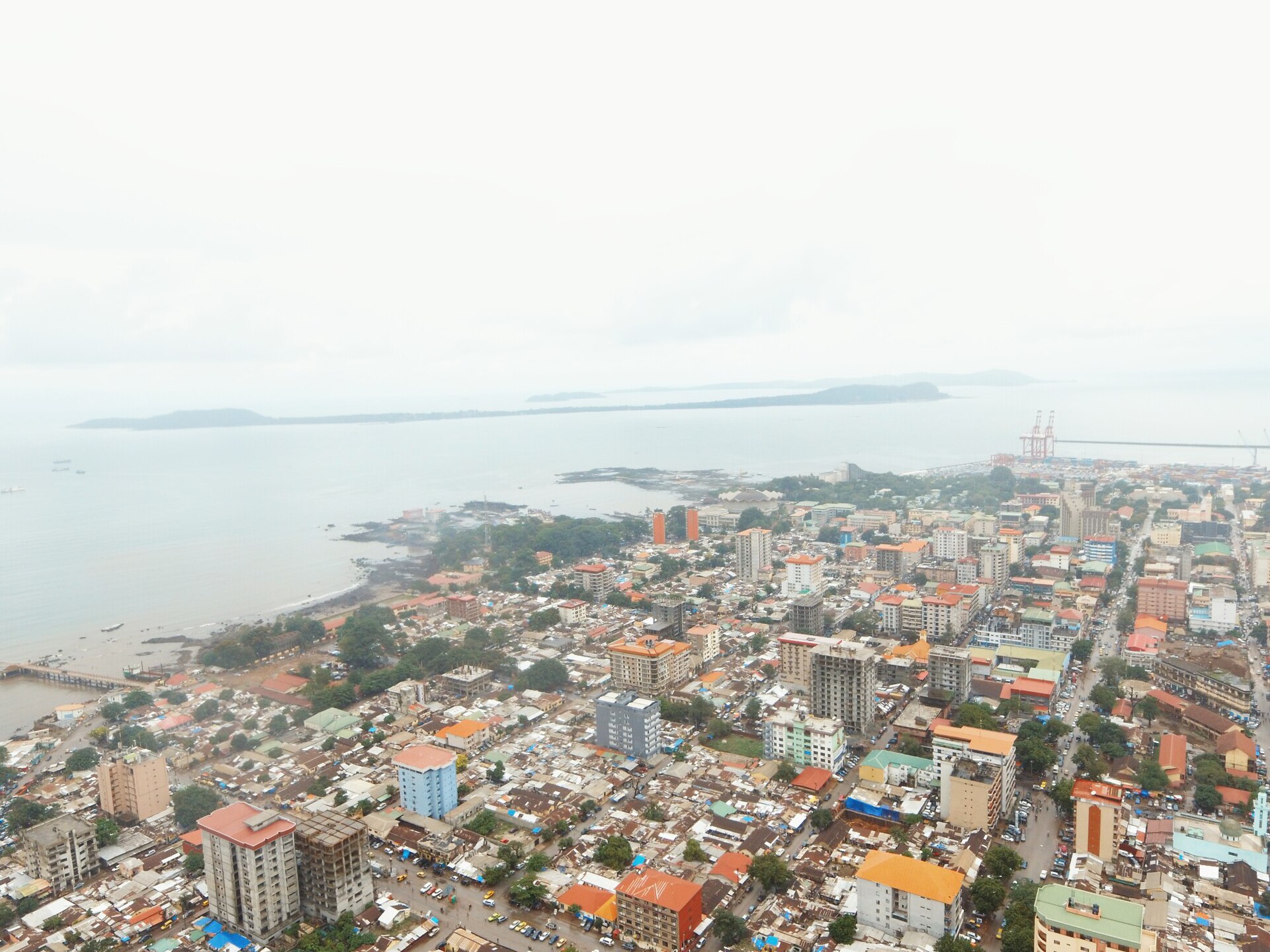
Guinea’s Ministry of Economy, Finance and Budget said on 23 November 2026 that the IMF’s Executive Board, the fund’s decision body, had approved the programme, which most Guinean reports put at 38 months while one says 41. August’s staff-level agreement was for a 41-month Extended Credit Facility, a low-cost loan window for poorer countries.
Guinean reports add a second arrangement, the Extended Fund Facility (a second IMF loan line), and put the SDR 310.59 million at between US$417 million and US$425 million. We could not find which conversion the IMF itself uses.
The same reports of 25 and 26 November say the IMF’s text recommends the “gradual removal” of fuel and electricity subsidies, which they say would improve spending efficiency and free room for investment. We have not read the IMF’s own text, because its release link returned errors, so this rests on them.
On subsidies, Noumon said: “It was not about reducing subsidies, but about having a strategy for reducing them.” He added: “The authorities will do it when they are ready.”
Consultation, communication and accompanying measures must come first, he said. The IMF will also support the authorities with capacity building, he said.
He said the authorities are committed to strengthening targeting, meaning the work of finding vulnerable people to protect. He cited Nafa, a Guinean government programme he said had succeeded in reaching vulnerable people.
On borrowing, Noumon said: “One more debt? Yes, but not just any debt.”
He called it among the best debts governments can get, with very low interest and a grace period, a repayment-free stretch, of four to five years. Kaba, the central bank governor, drew a line on monetary policy.
He said: “It is not the International Monetary Fund that will dictate Guinea’s monetary policy to us.” Sylla said that subsidy reform does not mean saving money for the State.
The strongest counter-view comes from the Guinean reports, which describe a recommended gradual removal and so sit uneasily with Noumon’s description of a strategy rather than cuts. Reports say Noumon cited data that more than 80 percent of subsidies go to the richest 20 percent of people, a claim we could not check.
Guinean reports differ on whether the figure is his own or IMF data. Noumon said the unified social register, the state’s list of vulnerable households, is not yet fully operational.
He said vulnerable people must be identified before subsidies can change. For readers abroad, this is a country whose fiscal and external buffers the IMF’s August statement calls below desired levels, weighing subsidies against other spending just as the Simandou project enters production.
No date for subsidy reform has been announced, and Guinean reports say the loan is paid in tranches tied to half-yearly reviews.
Frequently Asked Questions
Did the IMF impose subsidy cuts on Guinea?
The IMF’s resident representative, Nérée Noumon, said on 27 November that nothing was imposed and that the aim is a strategy to reduce subsidies, not cuts. Guinean reports describe an IMF text recommending gradual removal, which we have not read.
When will Guinea change its fuel and electricity subsidies?
No date has been announced that we could find, and the programme is reported to run in tranches tied to half-yearly reviews. Noumon said the authorities will act when they are ready, after consultation and accompanying measures.
Why is Simandou part of this story?
The IMF’s August statement said Guinea is at an important economic juncture as the Simandou iron-ore project enters production. It also warned that the country’s fiscal and external buffers remain below desired levels.
Sources
IMF staff statement of 11 August 2026; press conference in Conakry on 27 November 2026 with the Economy Minister, the central bank governor and the IMF resident representative · IMF resident representative office in Guinea
This article was produced by The Rio Times’ automated AI newsroom. Editorial responsibility: Matthias Camenzind, Publisher and Editor-in-Chief. The Rio Times also runs Ask Rio Times, which answers from 100,000+ of our own articles, the daily Latin America Power Map, and prediction-market odds on elections and markets.. How we use AI · Report an error
Connected Coverage
Guinea news · Guinea and the IMF Board approval · Guinea’s central bank on IMF and monetary policy