Guinea Votes for 424 Regional Councillors
Voters in this first regional election are the country’s own local councillors, so the contest will be decided by a very small electorate and a short list of rules.

Politics: Guinea
Guinea holds the first regional election in its history on Sunday 29 November 2026, and only 8,753 people may vote in it. They are communal councillors, members of the country’s municipal councils, and they will choose 424 regional councillors from among themselves.
The vote matters beyond Guinea because the West African country is a major supplier of bauxite, the ore used to make aluminium, and home to Simandou, a large iron-ore mine in the south-east. The councils now taking shape will sit alongside governors and prefects, senior local state officials, in a state led by army general Mamadi Doumbouya.
Key Facts
- Who. Guinea’s 8,753 communal councillors, members of municipal councils, are the only voters.
- What. They elect 424 regional councillors from among themselves, for five years, renewable.
- Where. 375 polling stations, one per commune, the local council area, across Guinea’s regions.
- When. Sunday 29 November 2026; polls open at 08:00 local time.
- As of. 28 November 2026, 12:00 GMT.
Voters in this first regional election are the country’s own local councillors, so the contest will be decided by a very small electorate and a short list of rules.
Army general Mamadi Doumbouya seized power in a coup in September 2021 and won the presidential election of 28 December 2025 with an official 86.72% of the vote. Legislative and communal elections followed on Sunday 31 May 2026, with close to seven million voters called to the polls.
Mohamed Ali Condé, director general of the Direction générale des élections (DGE), the state election directorate, told a press briefing at DGE headquarters on Friday 27 November 2026 that preparations were “à jour”, meaning up to date. “Il n’y aura pas de problèmes dans ce processus” (our translation: “There will be no problems in this process”), he said.
Under the new constitution and revised local-government and electoral codes, regions become decentralised local authorities run by regional councils, Condé said on 27 November. These councils form the second tier after the communes, and no Guinean has elected one before.
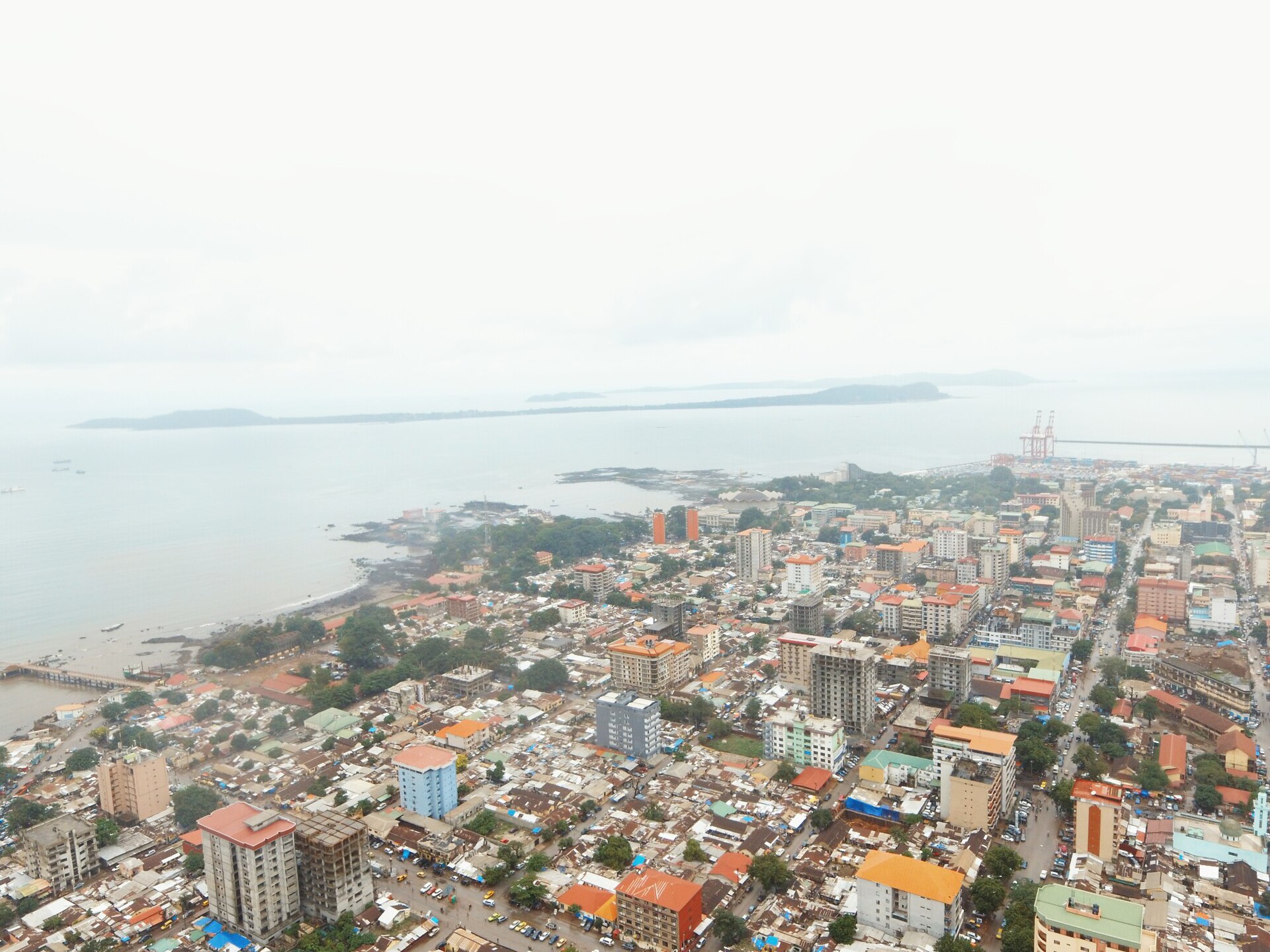
The DGE’s rules, set by a March 2026 order, say a communal council of 11 to 29 members elects one regional councillor, and a council of more than 29 elects two. The 424 seats divide as Kankan 83, Nzérékoré 76, Labé 56, Kindia 55, Faranah 50, Boké 42, Mamou 38 and the special zone of Conakry, the capital, 24.
The DGE said on 8 November that Siguiri and Beyla, two towns, became administrative regions on 20 August 2026 but are not yet decentralised authorities, because a law is needed. The seat numbers therefore rest on the March order.
Condé said some communes have only 11 or 15 voters and the biggest fewer than 45, so “Le vote de 15 personnes ou de 10 personnes, ça ne va pas prendre une journée” (our translation: “Voting by 15 people or 10 people will not take a whole day”). Asked about the low enthusiasm around the vote, he explained that the ballot is indirect, meaning citizens do not vote themselves.
The electorate of 8,753 is about one in 800 of the close to seven million voters called on 31 May 2026. A few dozen councillors in each commune therefore decide who sits on the councils that will govern a whole region.
Condé said no dispute over candidacies had been registered so far, and that election kits, booths and ballot boxes had been delivered to all 375 polling places. Poll-worker training was under way, and 48 DGE supervisors, 44 inside the country and four in Conakry, will follow operations from opening to the transmission of results sheets.
We found no opposition statement on this vote. The opposition’s earlier absence is background: Cellou Dalein Diallo, a former prime minister and leader of the UFDG, the Union of Democratic Forces of Guinea and a main opposition party, could not stand in the presidential race.
The result feeds directly into the next election. Presidential decrees read on national television on Monday 9 November 2026 set the regional campaign to run until 23:59 on Thursday 26 November, and fixed the Senate election, to choose the upper house of parliament, for Sunday 20 December 2026, with a Senate campaign from 20 November to 17 December.
In both votes, officials already elected choose the winners. Under the electoral rules, regional and communal councillors together elect two-thirds of senators and the president appoints the last third, which is why the regional and Senate calendar matters as one process.
The DGE has not said when regional results will be announced. The next dated step is the Senate election on Sunday 20 December 2026.
Frequently Asked Questions
Who can vote in the regional election?
Only communal councillors, the members of Guinea’s municipal councils, may vote. They choose the regional councillors from among themselves.
Why is enthusiasm for the vote low?
Asked about the low enthusiasm, the DGE’s director general explained that the vote is indirect. Ordinary citizens do not cast ballots.
What happens after this vote?
The DGE has not said when regional results will be announced. The Senate election, in which these councillors help choose senators, follows later in December.
Sources
Published Saturday 28 November 2026 · Source: Direction générale des élections (DGE) press briefing of 27 November 2026; presidential decrees of 9 November 2026; March 2026 order on regional seats; DGE note of 8 November 2026
This article was produced by The Rio Times’ automated AI newsroom. Editorial responsibility: Matthias Camenzind, Publisher and Editor-in-Chief. The Rio Times also runs Ask Rio Times, which answers from 100,000+ of our own articles, the daily Latin America Power Map, and prediction-market odds on elections and markets.. How we use AI · Report an error