
GUYANA · DEFENCE
Key Facts
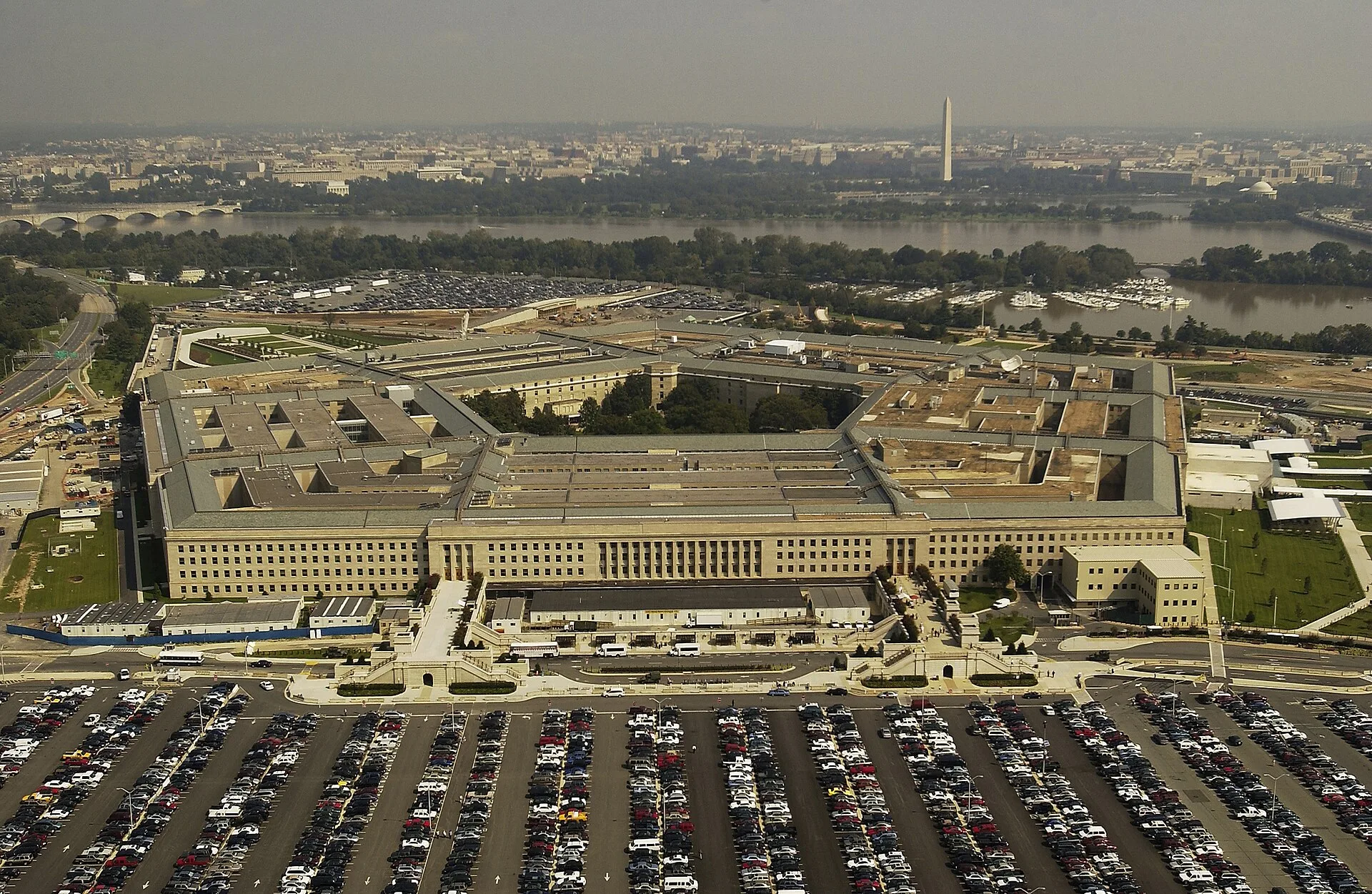
- —What is happening Guyana and the United States signed a Joint Declaration for an Enhanced Defense Partnership at the Pentagon on Wednesday, 21 October, between President Irfaan Ali and Secretary of War Pete Hegseth.
- —Why it matters The declaration promises sustained US defence expertise, multidomain training and joint exercises with Guyana’s army, plus better air-domain awareness, in an oil-rich country whose western region Venezuela claims.
- —The numbers The full text has not been released. It follows a December 2025 statement of intent, Guyana’s March 2026 entry into a US-led counter-cartel coalition and an 11 August 2026 liaison memorandum.
- —Who is who Ali is Guyana’s president. Hegseth runs the Department of War, the name the Trump administration uses for the Defense Department, while the Guyana Defence Force (GDF) is Guyana’s military.
- —What to watch Whether the declaration text is published, when joint exercises and air-domain monitoring start, the planned critical minerals memorandum, and the World Court border ruling that Guyana expects between November 2026 and January 2027.
- —What it means for you For US readers, the pact deepens security ties with a country where ExxonMobil and Chevron produce oil, and it extends the Trump administration’s cartel and anti-China hemisphere agenda.
Guyana and the United States signed a new Guyana defence partnership at the Pentagon on Wednesday. The text is not public, but both sides describe more training, exercises and air monitoring.
Guyana’s President Irfaan Ali and US War Secretary Pete Hegseth signed a defence partnership declaration at the Pentagon on Wednesday, 21 October. Demerara Waves, News Source Guyana and INews Guyana reported the signing the same day.
The Guyana defence partnership ties Washington more closely to a small, oil-rich ally on South America’s north coast. News Room Guyana says it builds on decades of cooperation and focuses on training, exercises and air-domain awareness.
What the Guyana Defence Partnership Promises
The President’s Office said the US Department of War will provide sustained defence expertise, multidomain training and combined exercises with the GDF. The aim is to help Guyana build a modern and strategic defence architecture, News Source Guyana reported.
Cooperation will also strengthen Guyana’s air-domain awareness, meaning its ability to monitor, deter and respond to threats in and around its territory. The declaration further aligns both countries against narco-terrorist organisations and drug trafficking, the same statement said.
Hegseth said the US will intensify combined training in multidomain operations and air interdiction, meaning stopping aircraft that move drugs. He also called Guyana’s pursuit of a critical minerals memorandum with Washington crucial to shared security.
Ali called the declaration critical to defending Guyana’s sovereignty and territorial integrity. He said it builds on both countries’ founding roles in the Americas Counter Cartel Coalition and the Shield of the Americas.
Who Signed and What They Said
Ali has led Guyana since 2020 and has pushed closer defence ties with Washington. Hegseth leads the Department of War, the Pentagon’s name in current US government usage.
Hegseth told Ali his leadership with key Caribbean partners had been “indispensable”, a Department of War statement carried by Demerara Waves says. He said the two countries would push back on narco-terrorism and on military influence from outside the hemisphere.
He linked that effort to President Donald Trump’s corollary to the Monroe Doctrine, an old US warning against outside powers. Ali replied that the region should be free of narco-trafficking, terrorism and “international actors that are bad for the region”.
How the Declaration Builds on Earlier Steps
In December 2025 the two countries signed a Statement of Intent on joint military cooperation, Ali said in Georgetown. He called it an evolving process and did not rule out further agreements.
In March 2026 Guyana joined the Americas Counter-Cartel Coalition, formed when Trump signed the Doral Charter at a summit in Florida. Trump told leaders the agreement centres on using lethal military force against cartels.
In August 2026 the GDF and the US State Department signed a memorandum on liaison officers linked to US Southern Command. Deputy Secretary of State Christopher Landau co-chaired those talks with Brigadier Omar Khan, Guyana’s Chief of Defence Staff, the Guyana Chronicle reported.
Ali said in March that talks had not covered a US military base. The statements on the new declaration do not mention a base either.
Why Guyana Wants US Backing
Venezuela claims Guyana’s western Essequibo region, a dispute now before the International Court of Justice, the UN’s top court. Guyana’s government said on 5 June that hearings ended on 11 May, with a judgment expected between November 2026 and January 2027.
Guyana’s offshore oil makes the country strategically valuable, and ExxonMobil operates the Stabroek Block with partners that include Chevron. Protecting that coast and its airspace is a stated aim of the air-domain cooperation.
Ali said in March that US talks had focused on building a system to monitor Guyana’s exclusive economic zone, which is expensive. The new declaration gives that work a political frame, though no budget figure has been published.
What It Means for US Readers
The declaration shows Washington using defence ties, not only aid or trade, to secure partners in the Caribbean and the Guianas. It backs the US-run oil industry offshore and deepens Guyana’s place in the cartel alliance Trump launched in March.
Investors in ExxonMobil and Chevron should note that no new oil terms were announced. The document concerns defence, and any effect on border risk with Venezuela is a judgment, not a stated outcome.
Background is in the Rio Times guides to Guyana geopolitics and to Guyana’s oil earnings. Earlier reports cover Exxon’s licence extension and the wider defence monitor, and the Guyana section has more.
What Is Not Known
The full text of the declaration has not been published, so its exact commitments, deadlines and costs are unknown. Details of the agreement have not been released, News Source Guyana reported.
One outlet, News Room Guyana, wrote that the signing was on Tuesday, while three others said Wednesday, 21 October. This report uses Wednesday, because those outlets quoted a Department of War statement dated the day of the meeting.
The Department of War statement could not be opened directly, so its content comes from Guyanese outlets that quoted it. No reaction from Venezuela or from Guyana’s opposition was found.
What Comes Next
The next signs will be publication of the declaration, an exercise calendar and any step on the critical minerals memorandum Hegseth mentioned. The Guyana Defence Force and US Southern Command are the bodies that would carry out any training.
The pact does not create a US base or a mutual defence treaty on the evidence published so far. The International Court of Justice will announce its public session two weeks ahead, according to Guyana’s statement.
Frequently Asked Questions
What did Guyana and the US sign?
They signed a Joint Declaration for an Enhanced Defense Partnership at the Pentagon on Wednesday, 21 October. President Irfaan Ali and Secretary of War Pete Hegseth signed it.
What does the declaration provide?
It provides sustained US defence expertise, multidomain training and combined exercises with the Guyana Defence Force. It also covers air-domain awareness and cooperation against narco-terrorism and drug trafficking.
Does the deal create a US base in Guyana?
None of the published statements mentions a base. Ali said in March that talks had not covered one.
Why is Venezuela relevant?
Venezuela claims Guyana’s Essequibo region. Guyana expects the court’s ruling between November 2026 and January 2027, and the declaration does not name Venezuela in the statements found.
Is the full text public?
No, details of the agreement have not been released. The account here rests on statements quoted by Guyanese news outlets.
Sources: Demerara Waves, 21 October; News Source Guyana, 21 October; INews Guyana, 21 October; News Room Guyana, 21 October; Guyana Chronicle, 13 August; Department of Public Information, Guyana, 5 June; Caribbean Today, 9 March; Caribbean Today, 10 December 2025; Canada Caribbean Institute, 24 March (all accessed 22 October 2026).
This article was produced by The Rio Times’ automated newsroom system. How we use AI · Report an error · Editorial responsibility: Matthias Camenzind, Editor-in-Chief