Guinea Academic Backs Indirect Regional Vote
Samoura says the vote brings local people closer to decisions, but that the electoral cycle will not close until more elections in 2027.

Politics: Guinea
A Guinean academic, Dr Moussa Samoura, says the country’s regional and Senate elections, which he notes are a first for Guinea, are “a democratic advance” even though ordinary citizens will not vote in them. Guinea elects regional councillors on Sunday 29 November 2026 and senators on Sunday 20 December 2026.
In both votes, officials already elected choose the winners. The system is new for Guinea, which has been rebuilding its institutions since the September 2021 coup.
Key Facts
- Who. Dr Moussa Samoura, a Guinean academic, speaking on the new indirect elections.
- What. Municipal (communal) councillors elect regional councillors; both groups then elect two-thirds of the senators.
- When. Regional vote Sunday 29 November; Senate vote Sunday 20 December 2026.
- As of. 23 November 2026, 19:30 GMT.
Samoura says the vote brings local people closer to decisions, but that the electoral cycle will not close until more elections in 2027.
“I believe we are witnessing a democratic advance,” Samoura said in a French-language interview published on 23 November 2026 (our translation). He said it brings citizens at the base into the democratisation process.
Regional councillors will sit alongside prefects and governors, the state’s local representatives, to help steer local development, he said. He called involving the people who know an area best a boon for local government.
Djénabou Touré, head of the national election directorate (DGE), the state body that runs elections,, set out the mechanism on 16 July 2026: “the communal councillors will be both candidates and voters.” She said regional and communal councillors together then elect the senators, two-thirds of whom are elected and the last third appointed by the president.
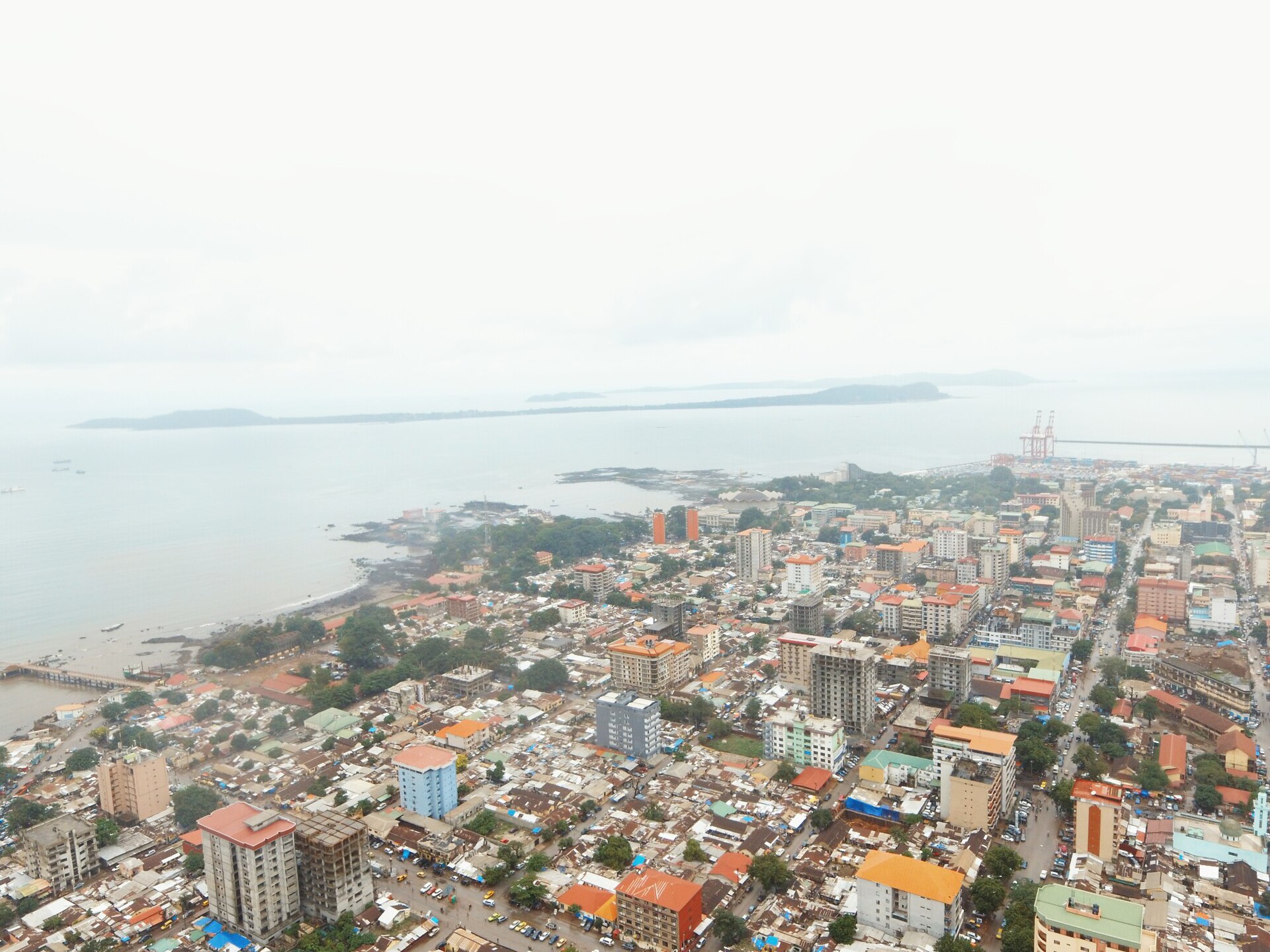
Samoura does not expect these votes to close the electoral cycle. Because new regions and prefectures were created by decree, a law must first turn them into local authorities, he said, so more councillors and senators will be elected in 2027.
Because only sitting councillors vote, the ballots will not show how ordinary Guineans feel about the government. Samoura’s view is one academic’s, and the interview carried no opposition voices and no figures on candidates or turnout.
Guinea holds the world’s largest bauxite reserves, according to the US Geological Survey, a federal science agency, which makes orderly politics a matter for aluminium buyers abroad. The next dated steps are the regional vote on Sunday 29 November and the Senate vote on Sunday 20 December 2026.
Frequently Asked Questions
How are Guinea’s senators chosen?
Regional and communal councillors elect two-thirds of them, and the president appoints the rest. The vote is set for 20 December.
Do Guineans vote directly in these elections?
No. Only sitting councillors vote, so both elections are indirect.
More in our Guinea coverage, the president’s order for transparent elections and our election dates guide.
Sources: Interview with Dr Moussa Samoura, 23 November 2026; statement by Djénabou Touré, Guinea’s national election directorate, 16 July 2026; US Geological Survey, Mineral Commodity Summaries.
This article was produced by The Rio Times’ automated AI newsroom. Editorial responsibility: Matthias Camenzind, Publisher and Editor-in-Chief. The Rio Times also runs Ask Rio Times, which answers from 100,000+ of our own articles, the daily Latin America Power Map, and prediction-market odds on elections and markets.. How we use AI · Report an error