Guinea-Bissau Votes on Junta Plan to Boost Presidential Powers
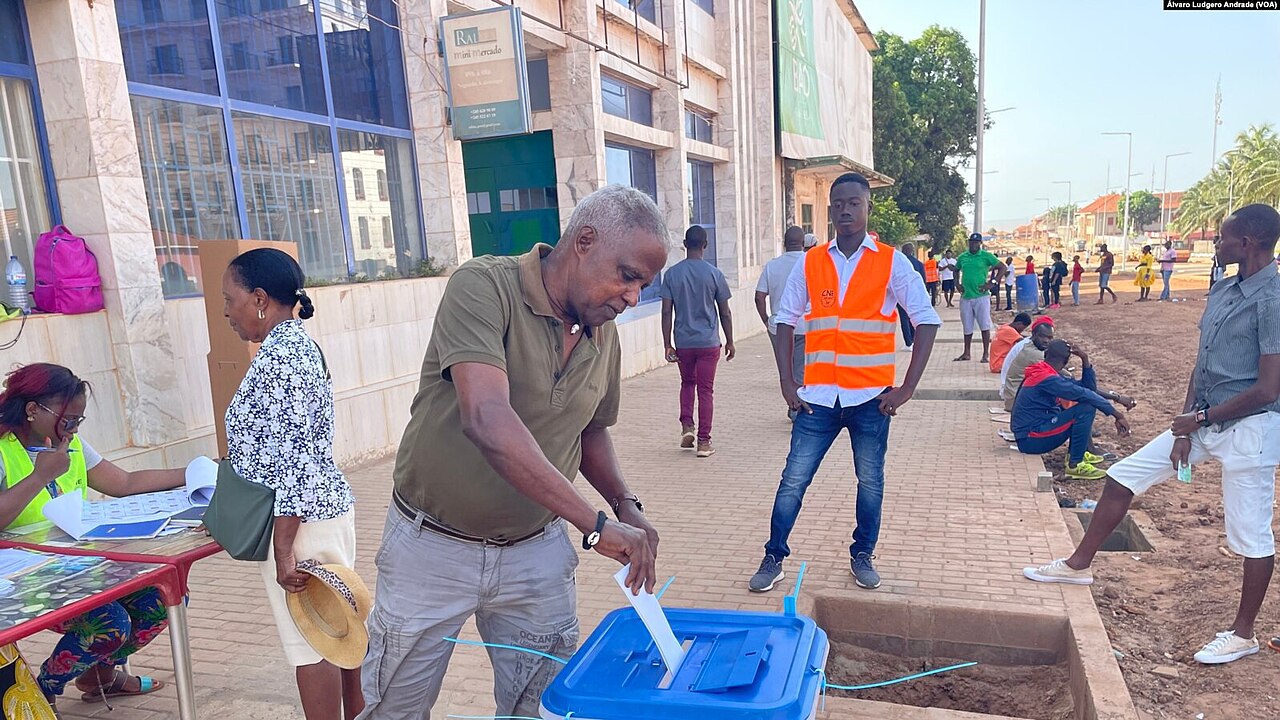
Voters in Guinea-Bissau cast ballots on Sunday in a referendum on a new constitution that would hand the president sweeping new powers. It is the first national vote since the military seized power in November 2025.
The ballot asks a single Yes-or-No question: whether the draft constitution approved by the National Transitional Council, the junta’s acting legislature, should enter into force. The answer will shape elections due in December that are meant to restore civilian rule.
What the new constitution would change
Today, Guinea-Bissau’s prime minister comes from the majority in parliament, a system that has produced years of deadlocked coalition governments. Under the draft, the president would become both head of state and head of government.
The head of state would chair the cabinet, direct government policy, and appoint and dismiss the prime minister, who would be formally subordinate. The president would also keep the power to dissolve parliament, while the assembly retains its legislative and oversight role.
Fernando Vaz, spokesman for the National Transitional Council, says the text keeps Guinea-Bissau formally semi-presidential. Critics call that label hollow and say the draft concentrates executive power in a single office.
A referendum born of a coup
The vote was called by transitional president General Horta N’Tam, the officer who led the 26 November 2025 coup that ousted President Umaro Sissoco Embaló. The takeover came three days after a disputed presidential election whose results were never published.
Embaló had himself dissolved the opposition-dominated parliament in December 2023 and ruled by decree until his removal. The transitional council approved the draft constitution in January, and N’Tam set the referendum date by decree in July after a favourable opinion from the Supreme Court.
Guinea-Bissau, a former Portuguese colony of about two million people on the West African coast, is one of the world’s most coup-prone states. It has seen four successful coups and at least 17 attempted or alleged plots since independence in 1974, and the World Bank estimates that just over half the population lived below the national poverty line in 2021.
Opposition anger and regional pressure
The transition is meant to end with presidential and parliamentary elections on 6 December, and the junta says N’Tam himself is barred from running. Opposition parties call the process a sham, pointing to an electoral commission created after the coup and to political detainees still in custody, including the leader of the historic PAIGC party.
West African bloc ECOWAS has stopped short of endorsing the timetable. At its July summit in Freetown it merely took note of the referendum and the December elections, urged the release of political detainees, and named Senegalese President Bassirou Diomaye Faye as chief mediator, a choice critics call biased because Faye was close to the ousted Embaló.
Analysts warn that a boycott by major parties would undermine the legitimacy of the result. Security advisories in the run-up to the vote also flagged a risk of unrest around polling day.
What happens next
Official turnout figures and any incident reports had not been published at the time of writing. Based on the electoral commission’s timetable in recent votes, provisional results are expected within days.
If voters approve the text, the December elections will be held under the new rules. If they reject it, the junta’s transition plan, already questioned by ECOWAS and the opposition, will be in doubt.
This article was produced by The Rio Times’ automated newsroom system. How we use AI · Report an error · Editorial responsibility: Matthias Camenzind, Editor-in-Chief
LatAm Markets: Live Signals → — real-time movers, turnover leaders and FX across Latin America.