
GHANA · ECONOMY
Key Facts
- The claim Finance Minister Cassiel Ato Forson says Ghana spends about US$3.5 billion a year importing food.
- The target He wants commercial farming and local processing to replace imports of rice, sugar, palm oil and poultry.
- The money The 2027 budget plans US$3 billion for commercial agriculture over 2027 to 2030, within a US$10 billion plan.
- The jobs gap Forson says 1.34 million young Ghanaians are neither working nor studying, and the figure could reach 1.7 million.
Ghana’s finance minister says the country can no longer afford to import about US$3.5 billion of food a year. Cassiel Ato Forson made the point on 12-13 November 2026, after he presented the 2027 budget to Parliament.
For US readers, the speech shows how a West African economy that has just stabilised plans to grow: by farming and processing more at home. Its plan to keep more of the cocoa value matters to chocolate makers, and the debt figures matter to investors in its government bonds.
What the Minister Said
Forson said Ghana must move beyond peasant farming, meaning small plots worked with simple tools, and build modern commercial agriculture. He called the US$3.5 billion annual food import bill unsustainable and said it “cannot continue”.
He questioned why Ghana still imports palm oil, sugar, rice and poultry, and said chicken imports alone cost about US$200 million a year. He also raised concern about fish imports and about vegetables that come from neighbouring Burkina Faso.
What the Budget Says
The 2027 Budget Statement, which Forson delivered on Thursday 12 November 2026, calls commercial agriculture the second pillar of a US$10 billion New Economy Programme for 2027 to 2030. The budget says agriculture already makes up about 20% of Ghana’s economy, almost 40% of jobs and nearly 25% of export earnings.
The budget text says Ghana spends billions of dollars a year importing food that it could produce competitively at home, and that the import bill weakens the cedi, Ghana’s currency. It does not repeat the US$3.5 billion figure, which comes from the minister’s own remarks.
In 2027 the government will invest 1.5% of the economy, about 30 billion cedis (about US$2.6 billion), in the New Economy, and the budget pays for it by cutting the primary surplus target, the budget balance before debt interest, by 1 percentage point of GDP over the period and counting on tax reforms worth 0.5% of GDP. It targets a primary surplus of 0.5% in 2027.
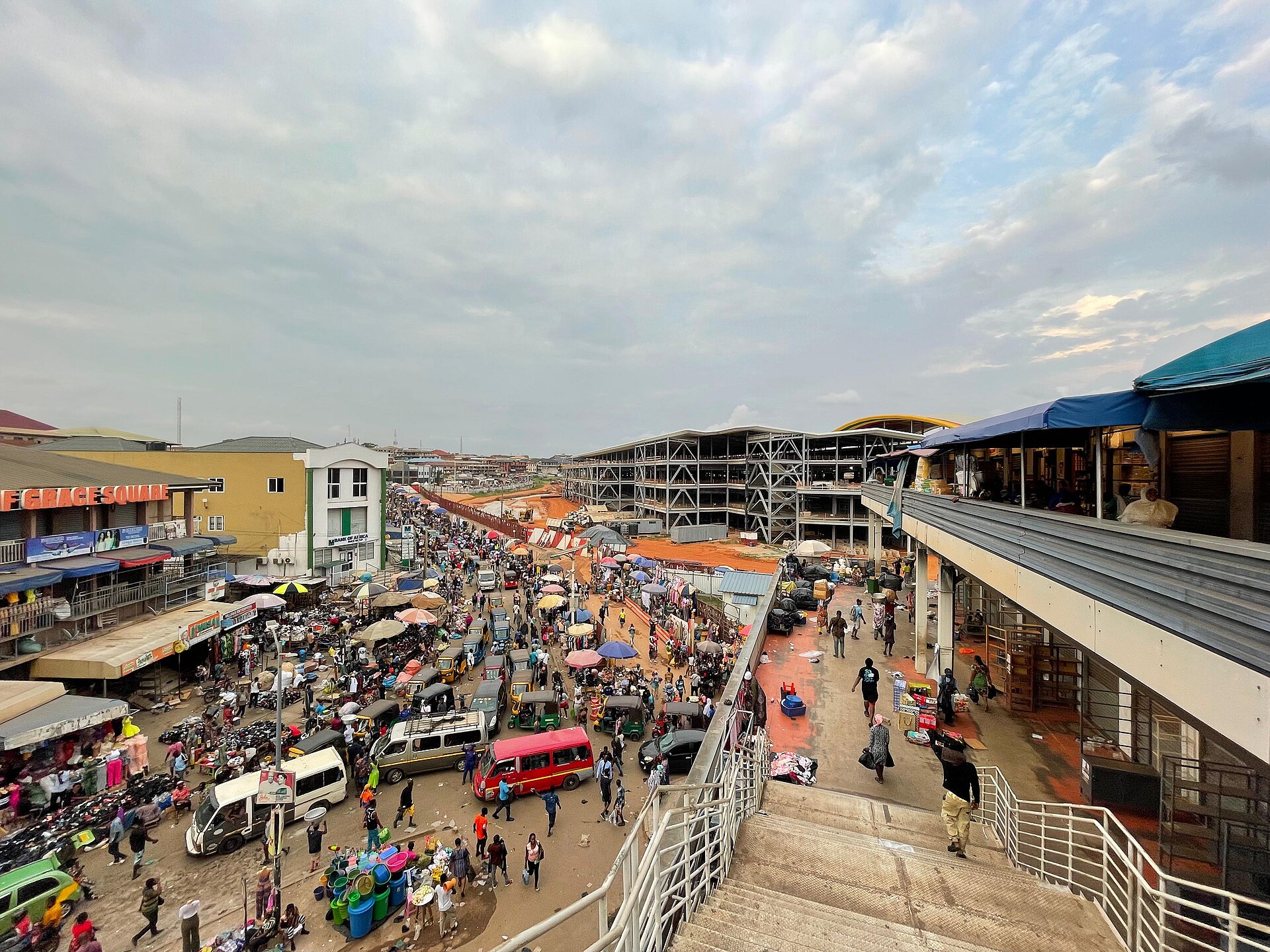
Cocoa and the Processing Push
Forson said Ghana should keep more of the value of its cocoa instead of exporting raw beans. “We are not saying don’t come and buy our cocoa beans, but add value here in Ghana,” he said.
He said the new Cocoa Board Act, which governs Ghana’s state cocoa regulator, makes 50% local processing mandatory, and that talks are under way on a proposed contract to process 500,000 tonnes of cocoa. He added that Dangote, a Nigerian industrial group, has reached out about using Ghana as a processing hub, and we have seen no statement from the company.
The Youth Jobs Warning
Forson said 1.34 million young Ghanaians are not in employment, education or training, a group often called NEET. He called it “a bomb waiting to explode” and said the number could rise to about 1.7 million over four years without action.
He linked the warning to the budget’s focus on jobs after two years of stabilisation. Our earlier report on youth unemployment shows the pressure behind the new plan.
Debt Payments Come First
The budget says the government has paid 41.36 billion cedis (about US$3.5 billion at 11.68 per dollar) to holders of Domestic Debt Exchange Programme (DDEP) bonds since 2025. DDEP is the local-currency government debt restructuring of 2022-23.
The budget also announces the early redemption, effective 12 November 2026, of 29 billion cedis (about US$2.5 billion) of DDEP bonds that fall due in February 2027. It says the Cedi Sinking Fund, a reserve built to repay such bonds, held 29 billion cedis on 11 November.
What It Means for You
If you hold Ghanaian bonds through a US fund, the early repayment and the 2027 targets of growth of at least 5.2% and year-end inflation of 8.0% are the numbers to watch. The cedi traded near 11.68 per US dollar on 13 November, so 1,000 cedis are worth about US$86.
If you buy chocolate or invest in food companies, a larger local cocoa-processing industry would change where Ghana earns its cocoa money. Nothing in the budget changes travel rules for visitors.
What Is Not Known
It is not known how fast imports can fall, because the budget text does not set a dated import-reduction target. The Dangote talks and the 500,000-tonne contract are still proposals.
It is also unclear how the government will create enough jobs for the 1.34 million young people the minister described. Parliament still has to debate and approve the budget.
More: Ghana news in English, every day from The Rio Times. See also our reports on the US$10 billion New Economy plan and on youth unemployment.
Frequently Asked Questions
How Much Does Ghana Spend on Food Imports?
Finance Minister Cassiel Ato Forson says about US$3.5 billion a year. The 2027 budget itself says only that Ghana imports billions of dollars of food each year.
What Is Ghana Doing About Food Imports?
The 2027 budget puts US$3 billion into commercial agriculture over four years. The goal is to replace imports such as rice, sugar, palm oil and poultry with local production.
What Does NEET Mean?
NEET stands for not in employment, education or training. Forson says 1.34 million young Ghanaians are in that group.
Why Is Ghana Repaying Bonds Early?
The cash is ready: the budget says a reserve called the Cedi Sinking Fund held 29 billion cedis (about US$2.5 billion) on 11 November. That covers the February 2027 principal.
Sources: Ministry of Finance of Ghana, 2027 Budget Statement and Economic Policy, 12 November 2026; statements by Finance Minister Cassiel Ato Forson, 12-13 November 2026; RT market data, USD/GHS, morning of 13 November 2026.
This article was produced by The Rio Times’ automated AI newsroom. Editorial responsibility: Matthias Camenzind, Publisher and Editor-in-Chief. The Rio Times also runs Ask Rio Times, which answers from 100,000+ of our own articles, the daily Latin America Power Map, and prediction-market odds on elections and markets.. How we use AI · Report an error
Part of our ongoing coverage
Africa: The New Scramble — the great-power contest over the continent.