From Drought to Power: The World Bank’s Vision for Brazil’s Offshore Wind Energy
Amid Brazil’s severe droughts, hydroelectric power—the nation’s primary energy source—is under threat. The World Bank introduces offshore wind energy as a potential lifeline.
Their comprehensive study suggests it could stabilize Brazil’s energy supply by reducing reliance on hydroelectric power, which fluctuates due to unpredictable water levels.
Offshore wind could eclipse hydroelectric production during dry spells, as demonstrated over a seven-year study.
Large-scale implementation could safeguard against Brazil’s erratic drought cycles noted in the past decade.
This solution depends on significant growth, aiming for 16 gigawatts by 2050 from the current 4 gigawatts by 2035, needing a $40 billion investment.
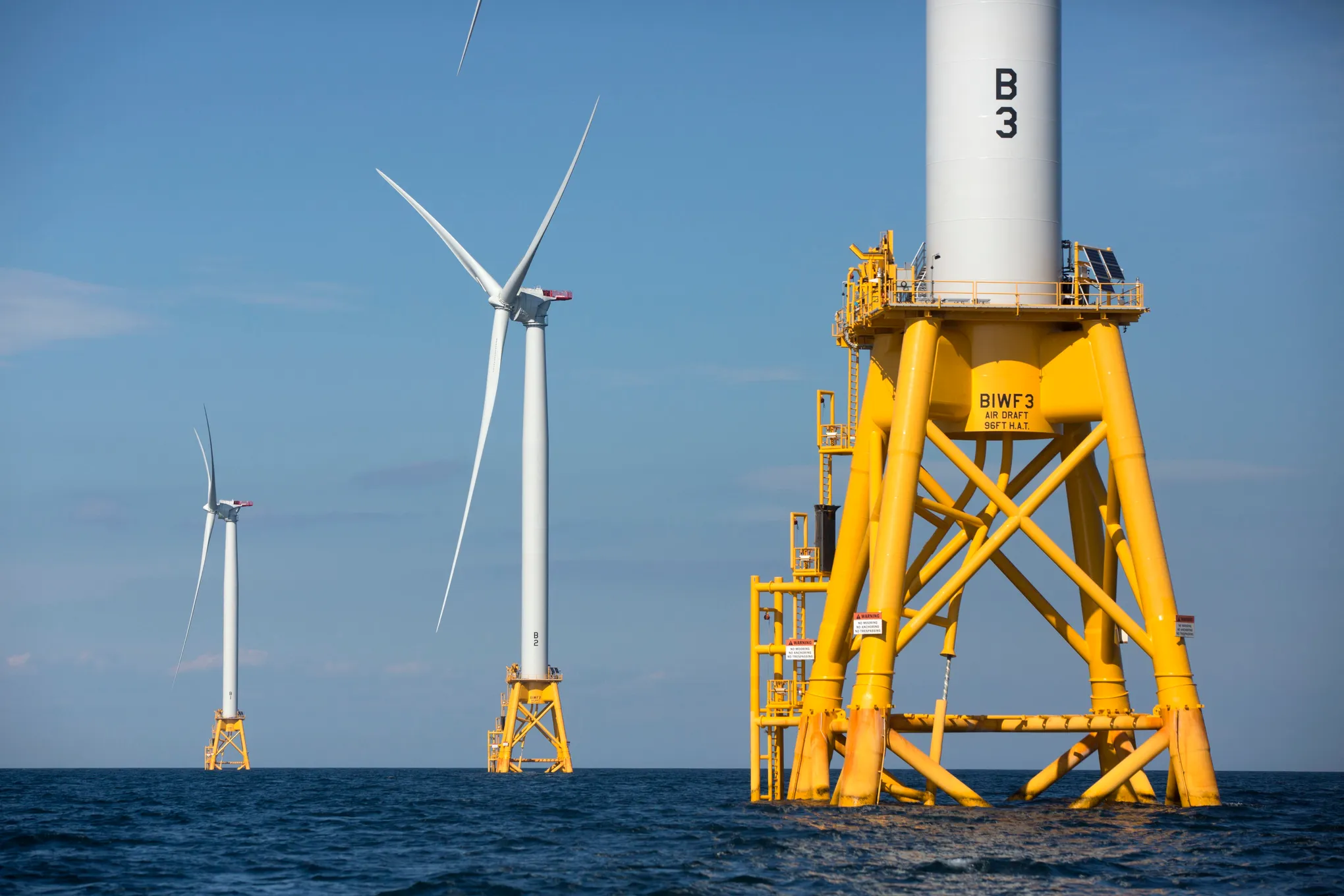
Brazil’s potential in this sector is vast, with nearly 100 projects that could generate 230 gigawatts, pending environmental approvals.
However, hurdles like high initial costs and a lack of a regulatory framework slow progress.
Currently, offshore wind energy is about 50% more expensive than onshore wind and solar. Costs could drop significantly by 2050 to competitive levels with the right policy and market conditions.
The pursuit of offshore wind energy also demands significant infrastructural upgrades, including modernizing transmission systems and enhancing port facilities.
Economically, it promises more stable energy prices in the long term. Environmentally, it poses minimal risks in its initial stages.
However, as deployment expands, especially southwards, environmental impacts could escalate, requiring careful management.
The narrative of Brazil’s energy future could pivot on the successful integration of offshore wind. This presents a critical yet complex solution to the country’s energy and environmental challenges.
More: Brazil news in English, every day from The Rio Times.
This article was produced by The Rio Times’ automated newsroom system. How we use AI · Report an error
Read More from The Rio Times