Floods Force Ecuador to Move 34 Voting Sites
Heavy rains tied to El Niño forced Ecuador to move 34 polling places on the eve of its local elections, and the council says the ballots are safe.

Ecuador Elections
Ecuador went to the polls on Sunday with part of its map redrawn by rain. Before voting opened on 29 November 2026, the National Electoral Council (CNE), the body that runs the country’s elections, had moved 34 polling places in six provinces because El Niño downpours had left the original sites unusable.
Voters are choosing mayors, provincial prefects (regional governors), councillors and a national citizen-oversight council in the Ecuador local elections 2026. Polls opened at 7 a.m. ET (7 a.m. Quito) and close at 5 p.m. ET (5 p.m. Quito).
Key Facts
- Who. Ecuador’s National Electoral Council (CNE), the body that runs elections, led by its president, José Cabrera.
- What. 34 polling places moved because El Niño rains and floods left the original sites unusable.
- Where. Guayas has 16 and Los Ríos 10; Esmeraldas, Galápagos, El Oro and Carchi share eight.
- When. Voting runs 7 a.m. to 5 p.m. ET on Sunday, 29 November 2026, the same as Quito time.
- Not known. Turnout, results and any further changes during voting are unconfirmed.
This story is part of our coverage of the Ecuador local elections 2026. Dates, times and how to follow it are in our guide.
Heavy rains tied to El Niño forced Ecuador to move 34 polling places on the eve of its local elections, and the council says the ballots are safe.
In plain English
Ecuador is holding local elections a few months earlier than first planned. After days of heavy rain, the electoral council could not use 34 of its voting places, so it moved voters to schools, sports halls and other venues and told them to check where to go.
Rain Forces Last-Minute Changes
The CNE’s last count came at 10 p.m. ET on Saturday, 28 November (10 p.m. Quito): 34 relocated places, up from 29 earlier that evening.CNE president José Cabrera said at the opening of voting that the 34 original sites had become unusable and had been replaced by contingency venues.
He said the electoral material was undamaged and had been moved in full by the armed forces, accompanied by CNE staff. The council said the changes aim to protect voters’ safety and keep the democratic process running normally.
Cabrera urged voters on the coast to check their site on the CNE website or its app before leaving home, as explained in our guide to finding your polling site.
Where the Voting Moved
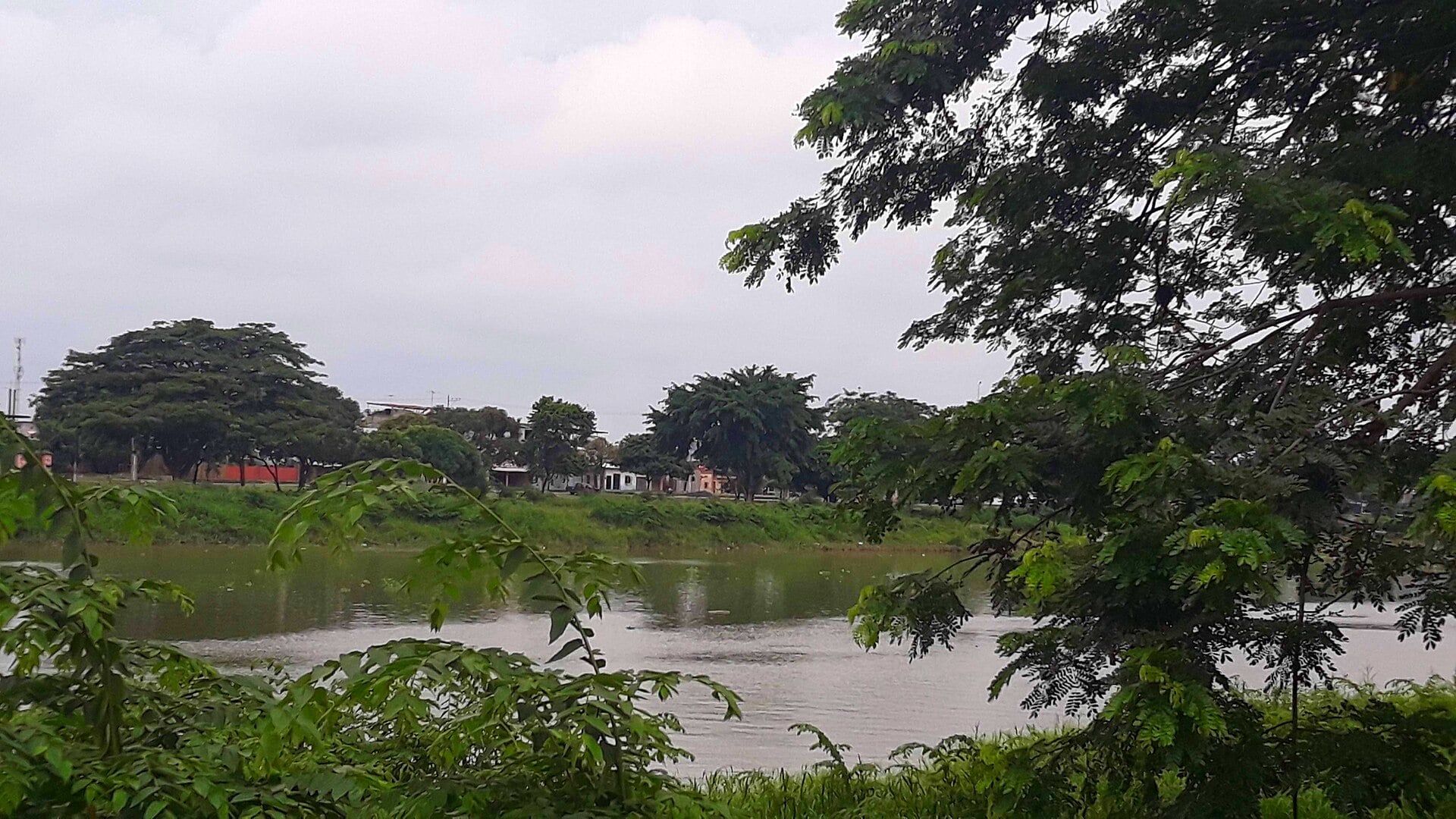
Guayas, the province around the port city of Guayaquil, had 16 relocations, most of them in the town of Milagro. Los Ríos had 10, all in Babahoyo, a river city where water is still standing.
Esmeraldas had four, the Galápagos Islands two (both on Santa Cruz island), and Carchi and El Oro one each. In Milagro, voters were sent to contingency blocks at the state university in Milagro and to a school named for the late president José María Velasco Ibarra.
In Babahoyo, replacement venues include schools, sports halls and parks. CNE board member Elena Nájera attributed the changes to force majeure and warned that recovering the flooded sites could take several days.
Why Ecuador Votes Early
The vote was brought forward from 14 February 2027 to 29 November 2026, a change the CNE board approved on 27 March 2026. The reason was the weather: February is when El Niño, a periodic warming of Pacific waters that brings heavy rain to Ecuador’s coast, was expected to hit hardest.
The rains have since arrived early. Our earlier report on floods testing the vote in Babahoyo described the same city now holding some of the relocated polling places.
About 5,749 posts are up for election, including prefects, mayors, councillors and parish board members. The total includes seven seats on the Citizen Participation and Social Control Council (CPCCS), a state body that appoints many national watchdog officials.
What It Means for US Readers
Mainland Ecuador keeps the same clock as US Eastern Standard Time on 29 November, so polls close at 5 p.m. in both Quito and New York. Ecuador uses the US dollar as its currency, so its economy follows US monetary policy rather than a local peso.
This is a local vote, not a presidential race. The mayors and prefects elected on Sunday will inherit the cleanup on a coast where water is still standing.
What Is Not Known
Turnout and results are not yet confirmed, and we found no figures for suspended polls or extra changes during voting. Milagro has 10 relocated places in the fullest list, though one report counts only the nine at the university.
We could not open the CNE’s own website, so the figures rest on the council’s statements as relayed in Ecuadorian press reports. We found no reaction from parties, candidates or observers to the relocations.
Frequently Asked Questions
How many polling places were moved in Ecuador?
The CNE moved 34 in six provinces, per its last update at 10 p.m. ET on 28 November. Guayas had 16 and Los Ríos 10.
Were the ballots damaged by the rain?
No, according to CNE president José Cabrera. He said the armed forces moved the electoral material in full, accompanied by CNE staff.
Sources
- National Electoral Council (CNE) statements and updates of 28–29 November 2026, including José Cabrera’s remarks at the opening of voting
- CNE board decision of 27 March 2026 on the election date
This article was produced by The Rio Times’ automated AI newsroom. Editorial responsibility: Matthias Camenzind, Publisher and Editor-in-Chief. The Rio Times also runs Ask Rio Times, which answers from 100,000+ of our own articles, the daily Latin America Power Map, and prediction-market odds on elections and markets.. How we use AI · Report an error