Dominica’s Kalinago Week Enters Its Final Days
Dominica’s Kalinago Week is heading into its final days, with a closing ceremony set for September 19. The week celebrates the island’s Indigenous community through sport, food, remembrance and a traditional smoke ceremony.
Key Facts
-
—
The event Dominica’s Kalinago Week runs September 13 to 19, 2026, honoring the island’s Indigenous community. -
—
The community Around 3,000 Kalinago people live in the territory, the Caribbean’s largest Indigenous settlement. -
—
The program The week blends a religious tribute, youth sports, a naming ceremony, a hike and a food market. -
—
The catch The closing day pairs a smoke ceremony with a memorial for Kalinago people killed in a 1930 clash with police. -
—
Who it affects Residents of the territory’s eight hamlets, and visitors touring Dominica’s northeast coast this week. -
—
What’s next A hike, health screenings and a road race lead into the closing ceremony on September 19.
A Week of Living Heritage
Dominica’s Kalinago Week runs from September 13 through September 19, 2026. It celebrates the island’s Kalinago people, an Indigenous community also known historically as the Carib.
This year’s theme is “Honoring Our Past, Celebrating Our Culture, Building Our Future.” The program mixes remembrance, sport, food and ceremony across a full seven days.
The Kalinago Council organizes the week together with Dominica’s national government each September. That partnership reflects the territory’s unusual status: self-governed internally, but still part of the wider Dominican state.
Who Are the Kalinago?
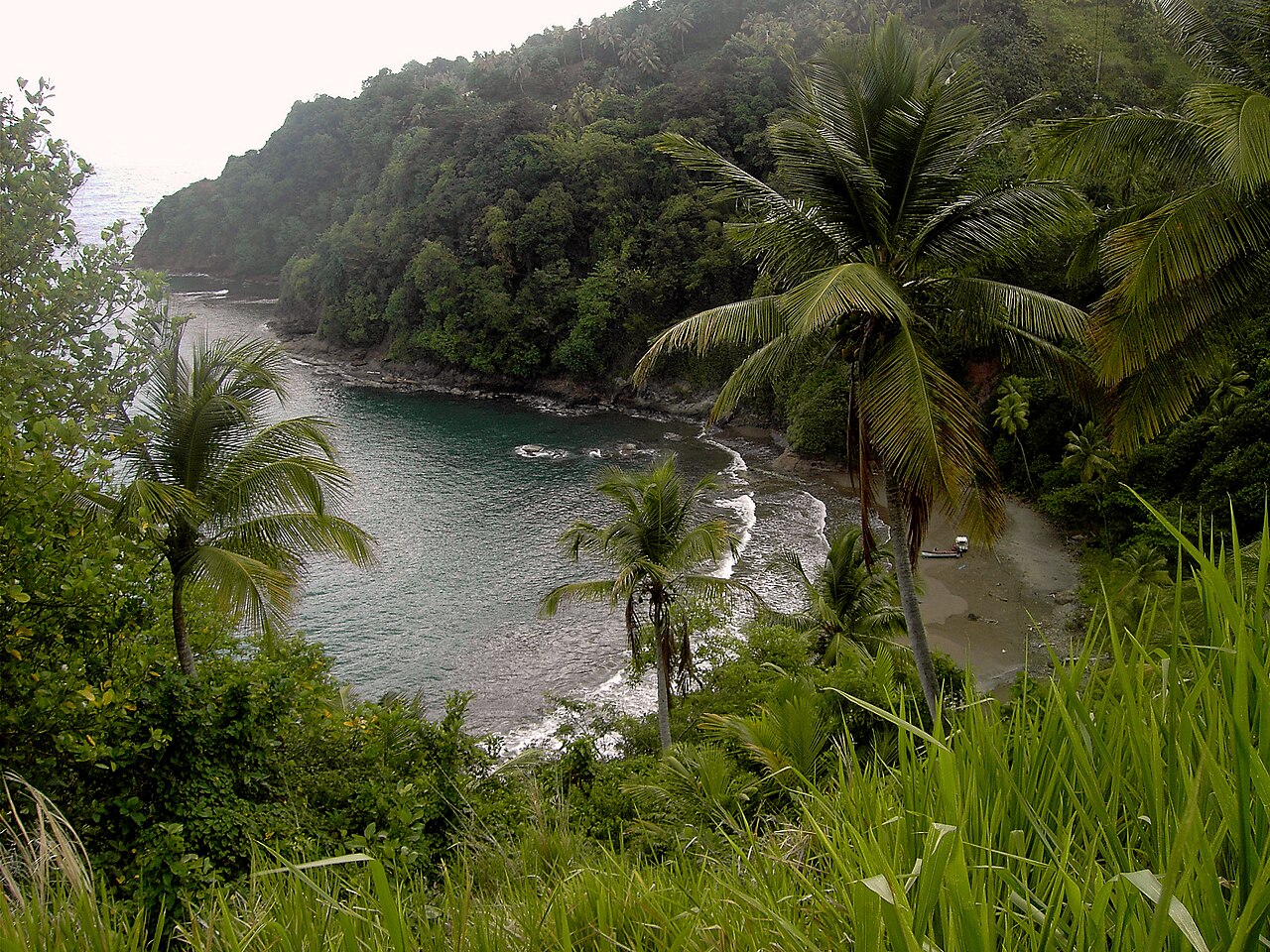
The Kalinago Territory sits on Dominica’s northeast Atlantic coast, spread across roughly 3,700 acres of rugged, mountainous land. About 3,000 people live there, spread across eight hamlets: Salybia, Bataka, Crayfish River, Saint Cyr, Gaulette River, Mahaut River, Sinecou and Concord.
That makes it the largest Indigenous settlement anywhere in the Caribbean. The territory runs its own local government, a five-member council led by an elected Kalinago Chief.
Traditional skills such as basket weaving, canoe building and cassava bread making remain part of daily life there. Those crafts get extra attention during Kalinago Week, when visitors can watch demonstrations up close.
A History Marked by Struggle
British colonial authorities formally established the territory in 1903, when only around 400 people lived there. A violent clash with police in 1930, sparked by a dispute over seized smuggled goods, briefly ended the chief’s role altogether.
The chief’s position returned in 1952, and a 1978 law reaffirmed the territory’s boundaries and self-government. In 2015 the government formally renamed it from Carib Territory to Kalinago Territory, dropping a colonial-era label.
Where the Week Stands Right Now
As of September 15, several early events are already behind it. A religious service and a tribute to a Kalinago elder opened the week on September 13.
A heritage exhibition and a youth sports day followed over the next two days. A traditional naming ceremony, centered on heritage and history, then took place on September 16.
That leaves a few more days of programming still ahead for anyone hoping to catch the week in person. Everything from here builds toward the closing ceremony on September 19.
What’s Still to Come
September 17 is set aside to honor Kalinago seniors. The next day brings a hike to L’Escalier Tête Chien, a food and health market, plus a road race through the territory.
Organizers say the week closes on September 19 with a commemorative ceremony, paired with a traditional smoke ceremony. Kalinago representatives performed a similar smoke ceremony elsewhere this year, at a separate anniversary commemoration in neighboring Saint Kitts.
Why the Closing Ceremony Isn’t Just a Show
The closing events sit alongside a memorial for Kalinago people killed in that 1930 clash with colonial police. That pairing turns the festive final day into a remembrance as much as a celebration.
It’s a reminder that Kalinago Week isn’t staged mainly for tourists. It’s a community’s own commemoration of survival, organized by the Kalinago Council itself.
Visiting the Kalinago Territory
The territory sits roughly a 90-minute drive from Roseau, Dominica’s capital, along the island’s winding east coast road. Visitors can tour the territory’s model village and craft shops year-round, not only during festival week.
September’s events give outsiders a rarer look at ceremonies not normally open to the public. Anyone hoping to catch the closing days should plan to arrive by September 18 at the latest.
A Small Territory With an Outsized Cultural Role
Dominica markets itself internationally as the Caribbean’s “Nature Island,” built on rainforest, rivers and diving. The Kalinago Territory adds something none of its neighbors can offer: a living, self-governed Indigenous community open to visitors.
That distinction matters for a country competing with dozens of larger islands for the same tourists. Kalinago Week is one of the clearest windows into that identity each year.
For expats and nomads already based elsewhere in the Eastern Caribbean, that makes Dominica an easy add-on trip this month. Few Indigenous communities anywhere in the wider Caribbean region open their own ceremonies to outside visitors at all.
Frequently Asked Questions
What is Kalinago Week?
It’s an annual, week-long celebration inside Dominica’s Kalinago Territory, honoring the island’s Indigenous community through religious, cultural and sporting events.
When does the 2026 edition end?
Organizers list the week running through September 19, when a commemorative ceremony and a traditional smoke ceremony close out the program.
Where is the Kalinago Territory?
It sits on Dominica’s northeast Atlantic coast, in Saint David Parish, made up of eight hamlets linked by a single coastal road.
This article was produced by The Rio Times’ automated newsroom system. How we use AI · Report an error
Read More from The Rio Times