Costa Rica Court Halts Extra Budget Vote
The pause is temporary and the court has not ruled on the cut itself. The governing party says that if no ruling comes in time, the bill will be voted.

Politics: Costa Rica
A judge of Costa Rica’s Constitutional Chamber (Sala IV), the court that checks laws against the constitution, has barred Congress from giving final approval to a 2026 extra budget before Thursday 26 November 2026. The order concerns ₡8.048 billion (about US$18 million) that the state owes public universities.
Thirteen opposition lawmakers asked for the pause while the court studies their challenge to the cut. The order does not touch the first of the bill’s two debates, which was due on Tuesday 24 November.
Key Facts
- Who. Fernando Cruz Castro, acting head of Costa Rica’s Constitutional Chamber (Sala IV).
- What. Congress may not give the 2026 extra budget final approval before the legal deadline.
- Why. A cut in postponed university funds is under constitutional challenge.
- Power Index. Costa Rica ranks 9th of 14 in The Rio Times Latin America Power Index, with 35.5 points (November 2026 edition).
- As of. Tuesday 24 November 2026, 18:58 GMT
The pause is temporary and the court has not ruled on the cut itself. The governing party says that if no ruling comes in time, the bill will be voted.
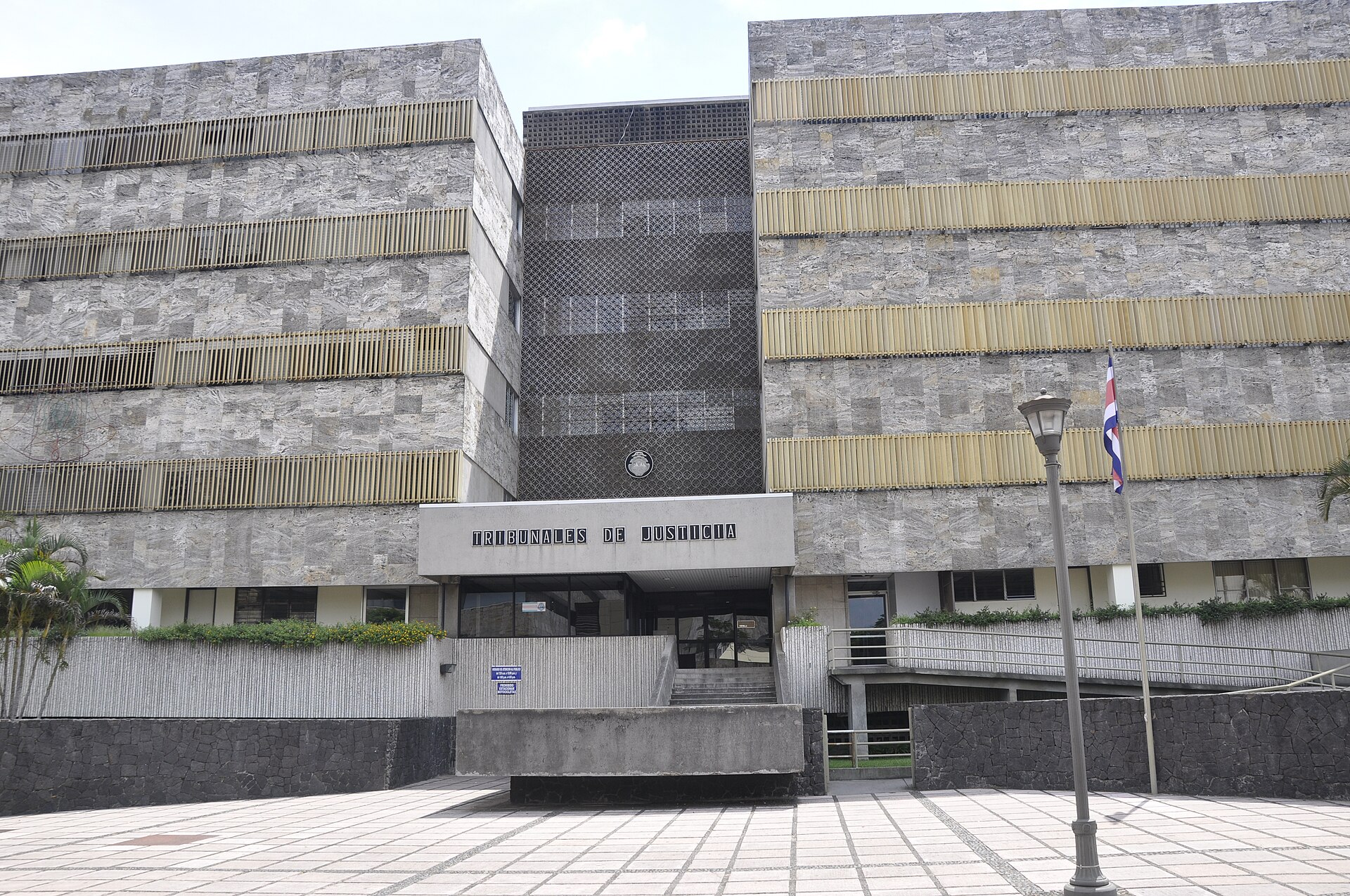
The money comes from an agreement of 20 November 2025, when the government and the state universities settled a debt of ₡62.59 billion (about US$142 million) for funds held back in 2020 and 2021. The administration of Rodrigo Chaves (president from 2022 to 2026) put a written pledge to pay it in eight yearly instalments, and the sum now in dispute is the first.
Even so, the Finance Ministry, led by the former president, coordinated with the lawmakers of Pueblo Soberano, the governing party, to cut the first two payments from the 2026 and 2027 plans. The Chamber’s 20 November ruling on the 2027 plan found that cutting the university funds, which the government and the universities had agreed in the Liaison Commission (the body that sets university funding), broke article 85.
A motion numbered 137-9 deleted that whole item from the bill, and the governing party holds the majority behind it. The bill, legislative file 25.803, cuts 2026 spending by about ₡168 billion (about US$381 million) and covers the rest of a revenue gap with more debt, the Comptroller General’s Office (the state audit body) told a budget committee hearing on Wednesday 14 October 2026.
At that hearing the Comptroller said the bill lifts the 2026 deficit from 4.3% to 4.8% of GDP, the biggest one-year worsening since 2020. Finance Vice Minister Luis Molina told the same hearing the bill is needed because tax revenue is about ₡400 billion (about US$907 million) lower than planned.
On 20 November the Chamber ruled in ruling 2026-045631 that a cut of the same size in the separate 2027 budget broke article 85 of the Constitution, which protects higher-education funding. That 2027 cut was the second instalment, and the Chamber treats the two bills as separate cases, so it has not said how it will decide on the first.
This is not the first pause. On 9 November two orders already held back the final vote on the 2027 budget, one over the university cut and one over four rules on the judiciary’s funds.
The order says, in our translation, that the Assembly’s plenary “shall abstain from discussing and approving in second debate” the bill “before 26 November 2026”. It cites the Assembly’s own rule that gives an extra budget one month from its arrival in the plenary on 26 October.
Salvador Padilla, a lawmaker of the National Liberation Party (the main opposition party), called the government’s way of cutting university funds “illegal” and “unconstitutional”, in our translation. The challenge also carries the names of lawmakers of the Frente Amplio, a left-wing party.
Nogui Acosta, who leads the governing party’s lawmakers, said the order only delays the second-debate vote. If the Chamber has not ruled by Thursday 26 November, he said, the bill will be voted.
Rodrigo Arias, rector of the State Distance University (UNED), has warned that cuts to the funds owed to the universities leave his university struggling to close the year. The Chamber’s order does not decide whether any cut stands.
The Chamber has not said whether it will rule before the deadline. If it does not, the Assembly’s majority says it will hold the final vote on Thursday.
Frequently Asked Questions
Does the order kill the 2026 extra budget?
No. It bars final approval before the deadline and leaves the first debate untouched.
What happens if the court does not rule in time?
The governing party’s caucus leader says the bill will then be voted. The Chamber has not said how it will act.
Who loses if the cut stays?
The state universities, which were owed the money under a 2025 agreement. One rector says such cuts put his university’s year-end plans at risk.
Sources
Order of the Constitutional Chamber on file 25.803, dictated 19 November 2026 and notified 24 November 2026; Chamber ruling 2026-045631 of 20 November 2026; Comptroller General hearing of 14 October 2026; statements by Pueblo Soberano, the National Liberation Party, the Frente Amplio and the State Distance University; RT market data, ₡440.9 per US$1 on 24 November 2026.
This article was produced by The Rio Times’ automated AI newsroom. Editorial responsibility: Matthias Camenzind, Publisher and Editor-in-Chief. The Rio Times also runs Ask Rio Times, which answers from 100,000+ of our own articles, the daily Latin America Power Map, and prediction-market odds on elections and markets.. How we use AI · Report an error
Connected Coverage
Costa Rica news · Costa Rica Court Strikes Down Budget Curbs · Costa Rica Court Halts National Budget Vote