Colombia Takes Quake Debate to the Regions
Lawmakers say the earthquake debate must leave Bogotá and hear the people affected. The rebuilding bill keeps growing while money reaches homes only slowly.

Politics: Colombia
Colombia’s Congress will take its earthquake debate out of Bogotá and into the hit regions, Senator Norma Hurtado said in an interview published on Thursday 26 November. She chairs the joint Senate and House commission that follows the emergency response to the quake of 10 August, nearly four months ago.
The earthquake struck on Monday 10 August and hit western Colombia, including the departments of Valle del Cauca, Chocó and Risaralda, according to statements in Congress. Hurtado, of the centre-right Partido de La U, told a national radio news programme this week that the commission has finished a first stage in Bogotá, where it heard ministers.
Key Facts
- Who. Senator Norma Hurtado, who chairs Colombia's joint Senate and House commission on the quake response.
- What. Hearings have no dates yet; the government's recovery plan puts rebuilding at 58.9 trillion pesos (US$17.8 billion).
- When. The commission's next session is on 16 December 2026.
- Power Index. Colombia ranks 6th of 14 in The Rio Times Latin America Power Index, with 51.1 points (November 2026 edition).
- As of. 26 November 2026, 18:00 GMT.
Lawmakers say the earthquake debate must leave Bogotá and hear the people affected. The rebuilding bill keeps growing while money reaches homes only slowly.
She said the hearings aim to compare official reports with life in the communities. Hurtado said the hearings leave Bogotá “to enrich the debate, the political oversight, in order to seek solutions, to make laws that allow reconstruction.”
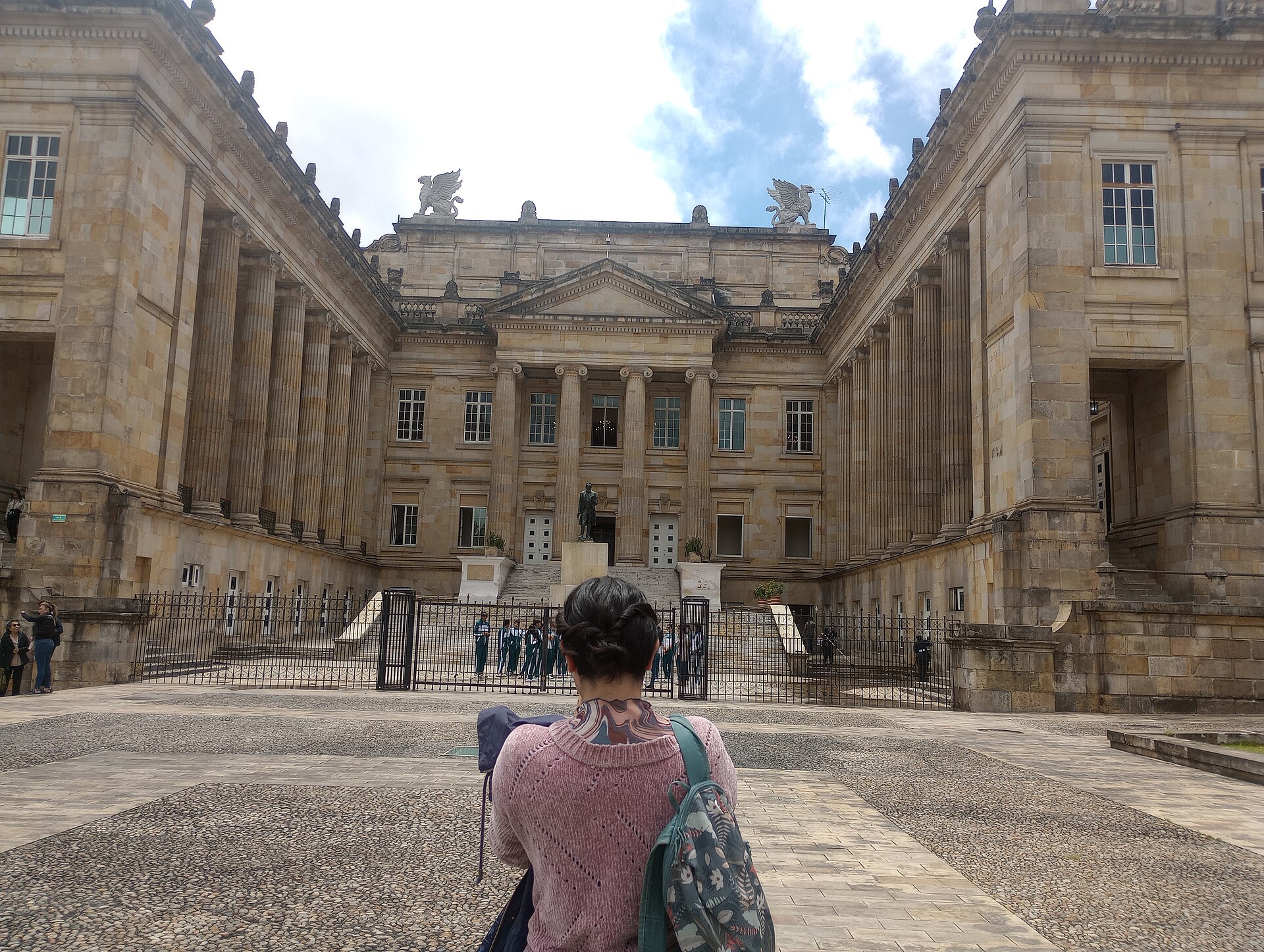
The first stops are Pereira, Cali, northern Valle del Cauca, Chocó, Cauca, Manizales, Dosquebradas and Quimbaya, Hurtado said, without giving dates. Affected people can register through an online link, and she said: “We will give priority of the microphone to the people affected.”
Hurtado named hospitals, schools, roads and aqueducts as needs besides housing, and readers can follow the bill in our earlier report on the rebuilding cost. She said: “We now see a north, and what we need is for that north to materialise for the people affected.”
On 18 November, Senator Walter Rodríguez Chaparro told the Senate’s Sixth Commission, a Senate committee, that the government’s recovery plan for the quake costs 58.9 trillion Colombian pesos (US$17.8 billion). Dollar figures in this report use 3,310 pesos per US dollar, the official reference rate (TRM) of Wednesday 18 November, which was 3,309.55.
Rodríguez Chaparro belongs to Pacto Histórico, the left-wing party of former president Gustavo Petro. Housing Minister Jaime Andrés Beltrán had put the cost at 54 trillion pesos (US$16.3 billion) in late October, about 80% above the government’s first estimate made in August.
In the same debate, Housing Vice-Minister Reynaldo José D’Silva Uribe presented projected investments of 750,215 million pesos (US$227 million) from Fonvivienda, the national housing subsidy fund. He also listed 1,056,383 million pesos (US$319 million) from the Fondo Milagro, the government’s reconstruction fund, known as the Miracle Fund.
The vice-minister said 71,000 million pesos (US$21 million) still awaits distribution for urban and rural housing purchase. David Santiago Tamayo, director of the National Unit for Disaster Risk Management (UNGRD), Colombia’s emergency agency, clarified that no rent subsidies have been delivered yet.
“Colombians keep asking where the money is,” Rodríguez Chaparro said in the same debate. Senators say the Miracle Fund should cover people without insurance.
Insurance shows how slowly money reaches homeowners. The insurers’ own figures give a first measure.
Fasecolda, Colombia’s insurers’ association, told the commission that by 6 November insurers had paid 1.43 trillion pesos (US$432 million), according to a House of Representatives press note of 19 November on the session of the day before. Fasecolda put estimated obligations (reserves plus payments) at about 8.8 trillion pesos (US$2.7 billion) for the same date, so about 16% has been paid.
Its figures list 103,833 claim notices in more than 520 municipalities. Fasecolda president Gustavo Morales Cobo said the delay lies in filing the claims, since documents were missing in 32% of those evaluated.
Once the amount is verified, he said, payment takes about four days. Senator Luis Carlos Rúa of Alianza Social Independiente, a smaller party, pressed the other side at the session, asking: “Where is the Fondo Milagro with the money for those who are not insured?”
The sources available to us do not say who will fund the gap. Colombia is a close US partner and a big supplier of oil, coffee and cut flowers.
A rebuilding bill of that size is large for the Colombian state (more in our Colombia coverage). The commission’s next session is on 16 December 2026, according to the House of Representatives press note.
Hurtado gave no dates for the hearings in the regions.
Frequently Asked Questions
Where will the hearings be held?
Senator Hurtado named Pereira, Cali, northern Valle del Cauca, Chocó, Cauca, Manizales, Dosquebradas and Quimbaya as first stops. No dates are set.
Who can speak at the hearings?
People affected by the quake can register through an online link. Hurtado said they will get priority of the microphone.
Why have insurers paid so little so far?
Fasecolda says the delay lies in filing claims and missing documents. Lawmakers say people see no results.
Sources: Senate press office notes of 18 November 2026 (Sixth Commission debate; Fasecolda session); House of Representatives press note of 19 November 2026; statements of Senator Norma Hurtado (week of 23 November 2026); Housing Ministry presentation of 18 November 2026; Fasecolda figures at 6 November 2026; market close USD/COP, 18 November 2026.
This article was produced by The Rio Times’ automated AI newsroom. Editorial responsibility: Matthias Camenzind, Publisher and Editor-in-Chief. The Rio Times also runs Ask Rio Times, which answers from 100,000+ of our own articles, the daily Latin America Power Map, and prediction-market odds on elections and markets.. How we use AI · Report an error