Colombia · MINING
Key Facts
- —What happened Coal and gold lifted Colombia mining output as crude oil slowed in Q2 2026.
- —How big a jump Coal activity rose 16.2% and metallic minerals 15.4% year-on-year; mining grew 4.2%.
- —The real story Mining and quarrying grew faster than the whole economy, which expanded 3.5%.
- —The catch No volume figures for coal or gold were published; only percentages are official.
- —Crude oil slip Fiscalised oil output fell 1.9% to 722.2 thousand barrels per day in Q2 2026.
- —What comes next IDEAM warns of 20-60% river flow drops in August, with drought through January 2027.
Colombia’s mining and quarrying sector grew faster than the whole economy in the second quarter of 2026. Even as crude oil output slipped.
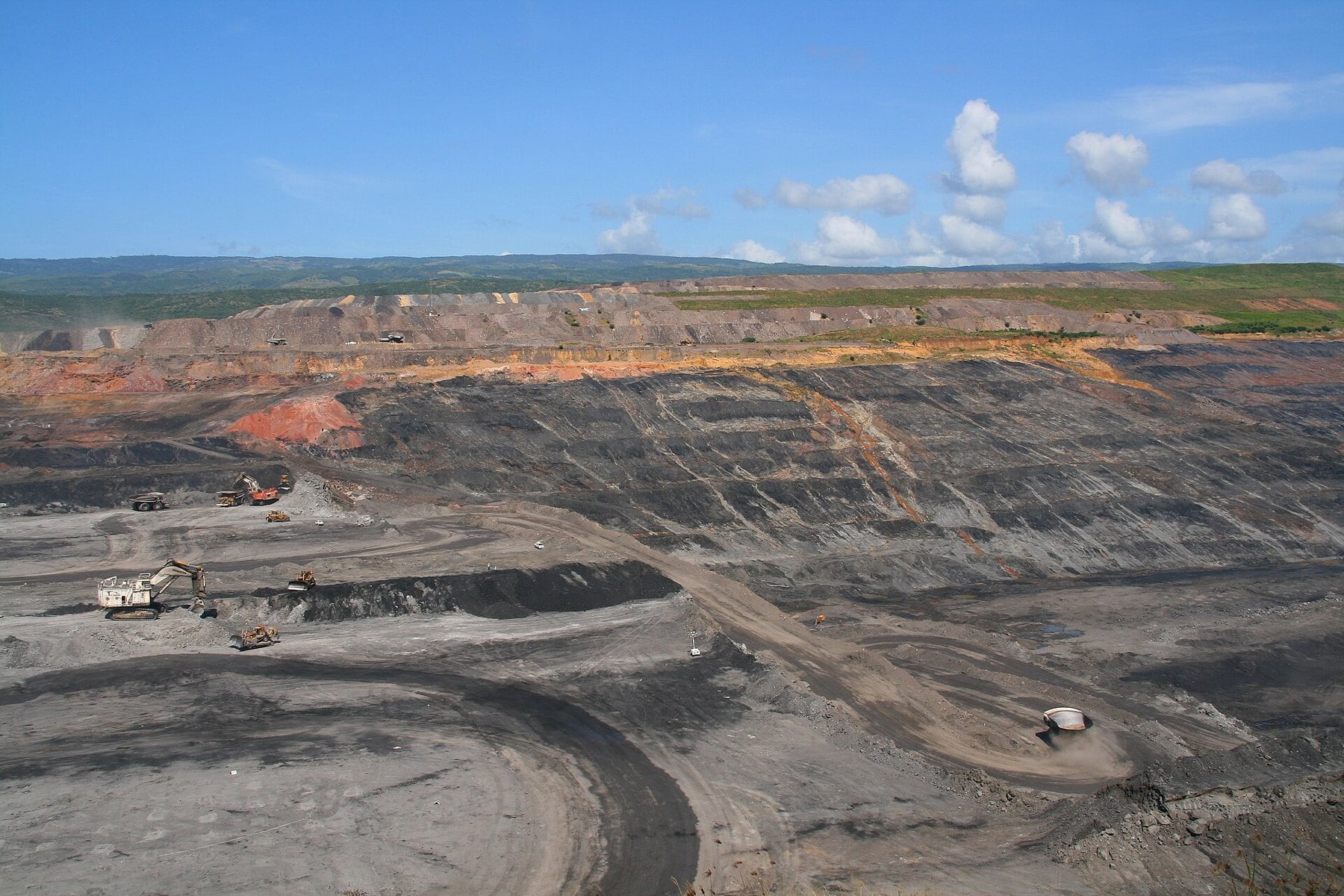
Colombia mining output is rebounding, driven by coal and gold, even as crude oil production slows. In the second quarter of 2026, coal activity expanded 16.2 percent and metallic minerals rose 15.4 percent, according to Portafolio.
Coal and Gold Drive the Rebound
Overall, Colombia mining output is on the upswing, according to Portafolio. The news outlet said coal and metallic minerals ‘saved the day’ for the mining and energy sector.
Coal activity expanded 16.2 percent in the second quarter of 2026 compared with the same period a year earlier. Metallic minerals, which include gold, rose 15.4 percent over the same stretch.
However, no volume figures for coal or gold were published for that quarter. The percentages are the only official data available.
Meanwhile, the 15.4 percent rise in metallic minerals includes gold, but no separate gold percentage was published. As a result, only the broader category figure is available for analysis.
Colombia Mining Output Outpaces Economy
In fact, DANE reported mining and quarrying value added grew 4.2 percent in Q2 2026 versus Q2 2025. This branch covers coal, metal ores, quarry materials, and also crude oil and natural gas extraction.
Meanwhile, Colombia’s whole economy grew 3.5 percent in the same period. As a result, mining and quarrying grew faster than the overall economy.
Meanwhile, the statistics agency DANE compiles these figures as part of its national accounts. This branch includes crude oil and natural gas extraction, which can mask declines.
In addition, the 4.2 percent growth in mining and quarrying outpaces the 3.5 percent expansion of the entire economy. However, this branch includes oil and gas, which can mask declines.
Year-to-Date and Quarterly Trends
DANE also provided two other figures for mining and quarrying. For the year to date, the sector grew 1.6 percent compared with the first half of 2025.
In addition, quarter-on-quarter, the sector expanded 0.4 percent. These numbers show a steady, if modest, recovery.
In addition, DANE revised its first-quarter data due to updates from the mining regulator. These revisions affect coal, metallic minerals, and natural gas figures.
Meanwhile, the year-to-date growth of 1.6 percent is lower than the annual rate, indicating a slowdown. In addition, DANE revised first-quarter data due to updates from the mining regulator.
Coming Out of the Red
El Espectador described the turn as mining and quarrying finally coming out of the red. The activity grew 4.2 percent, it said.
Therefore, this marks a positive shift for a sector that had been struggling. Still, the recovery is uneven across different minerals.
Still, the recovery is uneven across different minerals. While coal and gold surged, crude oil and gas output declined.
However, the recovery is uneven because crude oil and gas output declined. Still, the aggregate growth shows a positive turn for the sector.
Crude Oil Output Slips
In contrast, crude oil production fell. Meanwhile, Campetrol said fiscalised oil output averaged 722.2 thousand barrels per day in Q2 2026.
That figure is down 1.9 percent from the same quarter of 2025. Fiscalised production is the volume officially measured and certified at the wellhead for royalty and tax purposes.
Meanwhile, Campetrol is a private industry association, not a government body. No official quarterly figure from the hydrocarbons agency was found.
Meanwhile, the Campetrol figure is an industry association estimate, not an official government number. Since no official figure was found, this remains the only available data.
Natural Gas Contraction
Natural gas also saw a decline, though over a different period. By contrast, commercialised natural gas output fell 14.0 percent in H1 2026 versus H1 2025.
The daily average dropped from 811.2 to 699.0 million cubic feet. This is a first-half figure, not a second-quarter one.
This decline is based on press coverage, not an official bulletin. Still, it highlights a broader trend in the sector.
However, this decline covers the first half of 2026, not just the second quarter. In addition, the data comes from press coverage rather than an official bulletin.
Free Trade Zone Exports Dip
In a separate statistic, DANE reported that goods exports from Colombia’s free trade zones fell 0.9 percent in June 2026. However, the value dropped from US$237.6 million to US$235.3 million, free on board.
A free trade zone is an area treated as outside the customs territory, offering tariff benefits. No cause for the decline was published.
Meanwhile, this figure covers all goods from free zones, with no commodity breakdown. Therefore, it should not be linked to mining or energy exports.
Meanwhile, this statistic covers all goods from free zones, with no commodity breakdown. Therefore, it cannot be linked to mining or energy exports.
River Levels Fall on Magdalena and Cauca
The state weather institute IDEAM reported falling water levels on the Cauca and Magdalena rivers. Levels and flows are below historic values for this time of year.
IDEAM expects flows to drop by 20 to 60 percent during August across wide stretches of the middle and lower Magdalena basin. This could intensify in September.
Meanwhile, IDEAM is the national institute for hydrology, meteorology, and environmental studies. The river flow, or caudal, is measured in volume per second.
In addition, the river flow, or caudal, is the volume of water passing a point per second. However, no specific impact on navigation or water supply was quantified.
Possible Impacts on Navigation and Water Supply
IDEAM warned of possible effects on navigation, water supply, and associated ecosystems if conditions persist. The outlook runs to moderate, severe, and extreme drought between September 2026 and January 2027.
This is a separate concern from mining output, but it highlights broader environmental risks. In addition, the drought outlook extends to severe conditions through January 2027.
However, no specific effects on shipping or companies were quantified. Meanwhile, IDEAM’s outlook runs to severe drought through January 2027.
However, no effects on shipping or companies were published.
More: Colombia news in English, every day from The Rio Times.
Frequently Asked Questions
What drove Colombia mining output in Q2 2026?
Coal and metallic minerals, including gold, drove the rebound. Coal expanded 16.2 percent and metallic minerals rose 15.4 percent, according to Portafolio.
How fast did mining and quarrying grow?
Mining and quarrying value added grew 4.2 percent in Q2 2026 versus Q2 2025, per DANE. The whole economy grew 3.5 percent in the same period.
Did crude oil production rise?
No, crude oil output fell. Campetrol reported a 1.9 percent decline to 722.2 thousand barrels per day in Q2 2026.
Are river levels affecting mining?
IDEAM reported falling river levels on the Magdalena and Cauca, but no link to mining output has been published. The institute warns of possible impacts on navigation and water supply.
Connected Coverage
Sources: Portafolio; DANE; El Espectador; Campetrol; IDEAM; Agencia Nacional de Minería.
This article was produced by The Rio Times’ automated newsroom system. How we use AI · Report an error · Editorial responsibility: Matthias Camenzind, Editor-in-Chief