Chilling Advances: The Future of Air Conditioning Through Efficient Dehumidification
Air conditioning has long been a silent juggernaut in global energy use, especially as global temperatures continue to rise.
Innovations in dehumidification technology are now leading a charge towards drastically cutting this energy demand. Among these, dehumidifying heat pipes stand out.
They effectively split the cooling and moisture removal tasks, which enhances comfort without the energy drain typically seen in humid climates.
On the cutting edge, the Desiccant Enhanced Evaporative (DEVap) air conditioning system integrates liquid desiccant with evaporative cooling.
This not only cools but also dries the air, allowing for separate control of temperature and humidity.
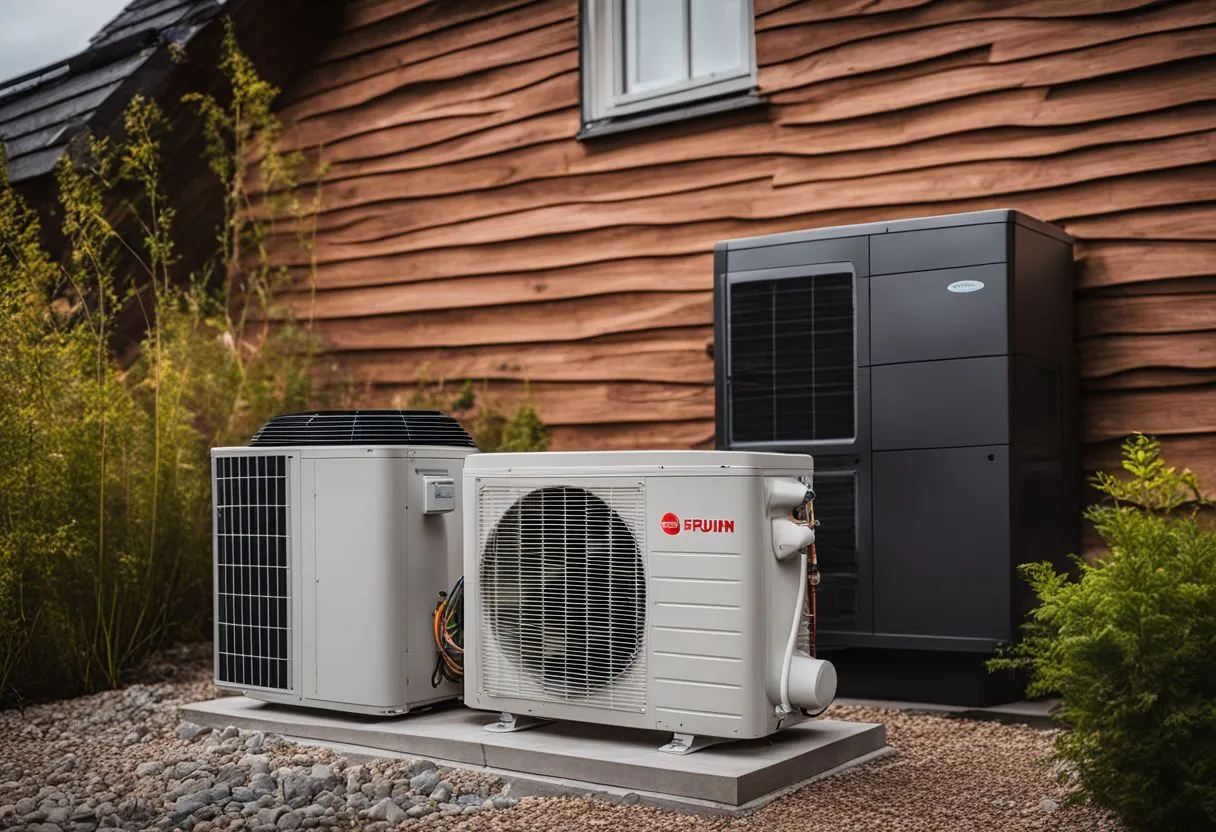
This method reduces reliance on electricity by instead using lower-grade thermal energy from sources like solar or biofuels.
Consequently, DEVap systems mark a significant stride towards more sustainable cooling technologies.
Further developments include materials like membrane air dehumidifiers and adsorbent-coated heat exchangers.
These materials optimize both the efficacy and energy efficiency of air conditioners.
As research continues, the integration of these advanced materials into mainstream cooling systems could redefine energy standards in the industry.
Collectively, these advancements underline a significant pivot towards energy-efficient air conditioning solutions. This shift is crucial, given the escalating global need for cooling.
By adopting these technologies, the industry not only addresses the urgent demand for energy reduction but also contributes to a more sustainable approach to battling global warming.
The result is a win-win: enhanced indoor comfort without the environmental compromise.
This article was produced by The Rio Times’ automated newsroom system. How we use AI · Report an error
Read More from The Rio Times