Mining: Colombia
Key Facts
—Cut. Cerro Matoso, Colombia’s only integrated ferronickel producer, cut operations by 25% on July 1 and warned output could fall by roughly half.
—Cause. Gas supplier Canacol Energy reduced deliveries to 7,000 MMBtu, a 55% cut from contracted volumes, and sought to end supply contracts early.
—Ownership. The mine, in Córdoba province, has been owned by CoreX Holding since South32 sold it in December 2025.
—Stakes. Cerro Matoso supports more than 2,000 direct and contractor jobs and paid COP 334.57 billion (about US$83 million) in 2025 royalties.
—Legal. Whether Canacol’s Canadian creditor-protection ruling applies in Colombia rests with the Superintendency of Companies.
A gas-supply dispute has triggered a Cerro Matoso output cut of up to 50%, after Canacol Energy slashed deliveries to Colombia’s only ferronickel mine, putting Córdoba jobs, royalties and supplier contracts at risk.
Behind the Cerro Matoso Output Cut
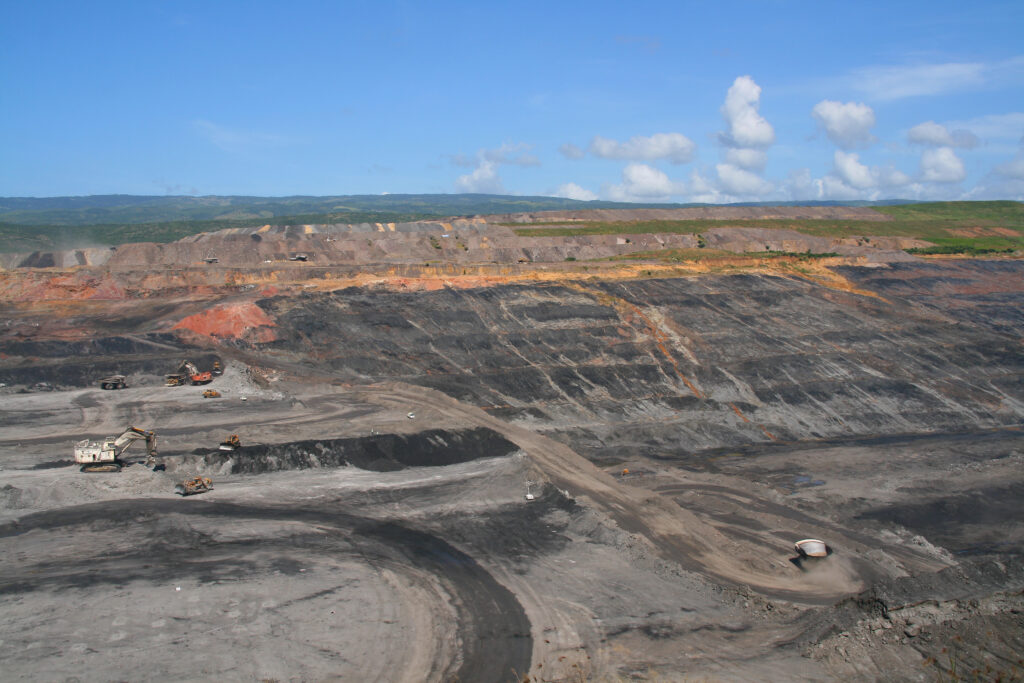
Cerro Matoso, the ferronickel operation in Colombia’s northern Córdoba province, said on July 1 it was cutting operations by 25% after Canada’s Canacol Energy reduced natural gas supply to the plant. The company warned that, if the restriction holds or worsens, it could be forced within days to halt one of its two production lines, cutting output by roughly half.
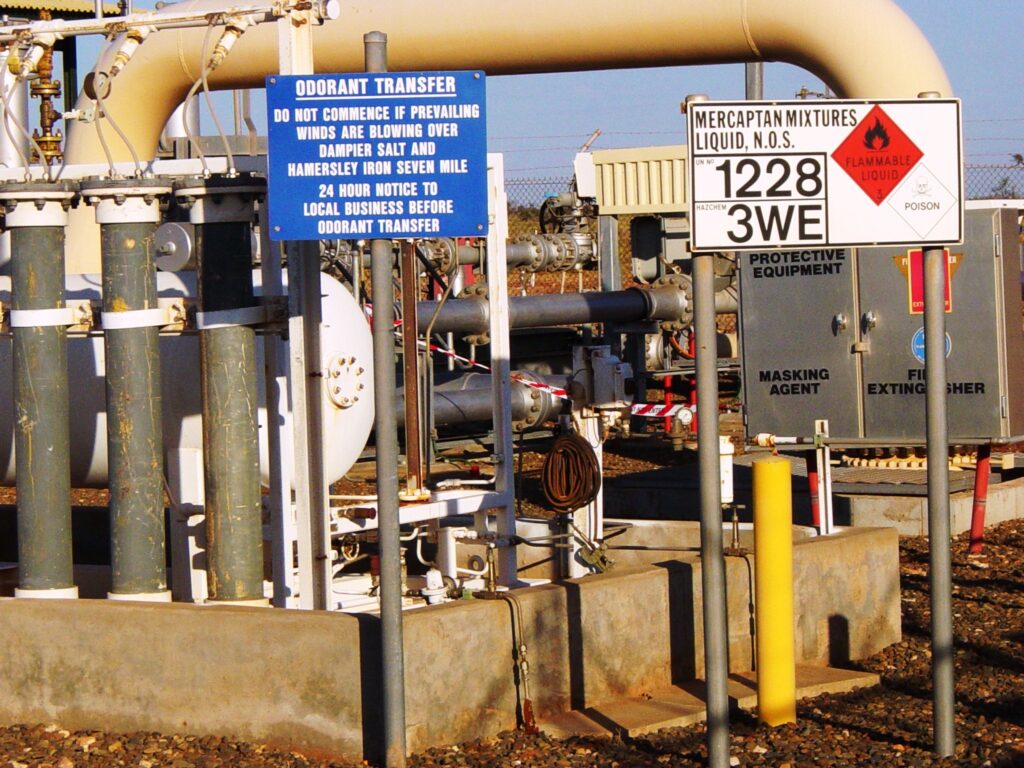
Canacol reduced deliveries to 7,000 MMBtu from July 1, a 55% cut from contracted volumes, according to Reuters. Gas is essential to the smelting process that turns nickel ore into ferronickel, so a supply squeeze translates quickly into lost production.
Cerro Matoso said the reduced supply would partially suspend some operating processes and could disrupt hundreds of jobs, goods-and-services contracts, and payments tied to royalties, taxes and local purchases.
How a Gas Contract Became a Mining Crisis
The trigger was Canacol’s decision to seek creditor protection in a Canadian court and to request the early termination of several gas-supply contracts in Colombia — including Cerro Matoso’s, which runs through 2029. The mine says the cut followed that move.
Under Colombian law, the final decision on whether the Canadian court ruling can take effect in the country rests with the Superintendency of Companies (Superintendencia de Sociedades). That makes an international insolvency process the hinge on which a domestic mining operation now turns.
Canacol’s Colombia office declined to comment, according to Reuters. The dispute pits a distressed gas producer’s restructuring against a large industrial customer that built its supply planning around a contract stretching to the end of the decade.
Why Córdoba Has So Much at Stake
Cerro Matoso is one of the largest employers in Córdoba, a department in Colombia’s Caribbean lowlands. The operation supports more than 2,000 direct and contractor jobs and runs social programs that reach tens of thousands of people.
The mine is also a significant contributor to public finances. It transferred COP 334.57 billion (about US$83 million) in royalties in 2025 and allocated roughly COP 10.6 billion (about US$2.6 million) to social programs, according to figures cited in Colombian media. A prolonged slowdown would ripple through local government budgets that depend on mining royalties.
For a region with few large formal employers, the threat is not abstract: fewer shifts at the smelter mean fewer contracts for local suppliers and less revenue for municipalities.
From South32 to CoreX
Although Cerro Matoso is often still associated with South32, the Australian miner sold the asset in December 2025 as it refocused on copper and zinc. The buyer, CoreX Holding, is now the operator navigating the gas dispute.
The ownership change matters for how the crisis is managed: a newer, smaller owner faces the same fixed obligations — jobs, royalties, community programs — with less of the diversified balance sheet a major like South32 could draw on.
Nickel and ferronickel are used mainly in stainless steel, so Cerro Matoso’s fortunes are tied to global steel demand as well as to local gas supply. The current problem, however, is squarely about energy, not metal prices.
What to Watch Next
The immediate question is whether Canacol restores volumes or the restriction deepens. If the mine halts a second production line, the 25% cut could widen toward the 50% level management has flagged.
The second question is legal: how quickly the Superintendency of Companies rules on the cross-border insolvency, and whether Cerro Matoso can secure alternative gas. Both outcomes will shape how many of Córdoba’s jobs and royalty payments survive the dispute intact.
More: Colombia news in English, every day from The Rio Times.
Frequently Asked Questions
Why is Cerro Matoso cutting output?
Because gas supplier Canacol Energy reduced deliveries by 55% from contracted volumes. Cerro Matoso first cut operations 25% and warned output could fall by about half if the restriction persists.
Who owns Cerro Matoso now?
CoreX Holding has owned the Córdoba ferronickel mine since South32 sold it in December 2025.
What is at stake for Córdoba?
More than 2,000 direct and contractor jobs, supplier contracts, and public revenue — the mine paid COP 334.57 billion (about US$83 million) in royalties in 2025.
Sources
Connected Coverage
Our earlier report on the same dispute:
Colombia’s Top Nickel Mine Faces Closure as Gas Supplier Pulls Out
Sources: Reuters via MINING.com; El Heraldo; Infobae; The Rio Times.
This article was produced by The Rio Times’ automated newsroom system. How we use AI · Report an error
Read More from The Rio Times