IBOV 185,147.15 ▼ 0.02% IPSA 11,315.26 ▼ 1.14% IPC MEX 64,866.61 ▼ 0.87% MERVAL 3,049,121 ▼ 0.29% COLCAP 2,544.56 ▲ 0.40% BVL PERÚ 59,978.22 ▼ 0.31% USD/BRL5.13▼ 0.01% USD/MXN16.91▲ 0.21% USD/CLP933.73▼ 0.09% USD/COP3,130▼ 0.01% USD/PEN3.35▼ 0.04% USD/ARS1,509▼ 0.02% USD/UYU40.24— 0.00% USD/PYG5,947— 0.00% USD/BOB12.40— 0.00% USD/DOP58.99▼ 0.02% USD/CRC448.67— 0.00% USD/GTQ7.63— 0.00% USD/HNL26.84— 0.00% USD/NIO36.62— 0.00% USD/VES811.71▼ 0.12% USD/PAB1.00— 0.00% USD/BZD2.00— 0.00% USD/JMD 157.28 — 0.00% USD/TTD6.71— 0.00% EUR/BRL5.96▲ 0.21% BRENT 88.88 ▼ 0.03% WTI 83.11 ▼ 0.11% IRON ORE 161.91 — — COPPER 6.61 ▲ 0.03% GOLD 4,461 ▲ 1.78% SILVER 65.59 ▲ 1.26% SOY 1,184 ▲ 3.20% CORN 480.50 ▲ 10.02% WHEAT 655.00 ▲ 3.93% COFFEE 317.25 ▼ 5.51% SUGAR 16.43 ▼ 1.79% ORANGE JUICE 138.55 ▼ 0.47% COTTON 85.03 ▲ 2.33% COCOA 5,719 ▲ 3.18% BEEF 223.60 ▼ 3.93% CATTLE 339.10 ▼ 3.16% LITHIUM 75.20 ▲ 1.47% PETR4 41.64 ▼ 0.05% VALE3 72.97 ▲ 0.83% ITUB4 38.60 ▼ 1.03% BBDC4 16.85 ▲ 0.36% ABEV3 14.89 ▼ 0.80% BBAS3 19.37 ▲ 0.47% B3SA3 14.26 ▼ 0.21% WEGE3 47.59 ▲ 0.49% PRIO3 59.14 ▼ 0.19% SUZB3 41.33 ▲ 2.35% RENT3 34.68 ▼ 0.09% AZZA3 15.89 ▼ 2.63% CSAN3 3.22 ▼ 1.83% RAIZ4 0.25 — 0.00% PCAR3 2.75 ▼ 0.36% GMAT3 3.65 ▼ 1.08% PSSA3 48.13 ▼ 0.54% CVCB3 1.33 ▼ 2.92% POSI3 3.36 ▲ 2.44% SLCE3 13.34 ▲ 0.30% NATU3 8.14 ▼ 0.73% IBOV 185,147.15 ▼ 0.02% IPSA 11,315.26 ▼ 1.14% IPC MEX 64,866.61 ▼ 0.87% MERVAL 3,049,121 ▼ 0.29% COLCAP 2,544.56 ▲ 0.40% BVL PERÚ 59,978.22 ▼ 0.31% USD/BRL 5.16 ▲ 0.01% USD/MXN 17.06 ▼ 0.24% USD/CLP 913.98 ▲ 0.04% USD/COP 3,140 ▲ 0.03% USD/PEN 3.36 ▼ 0.66% USD/ARS 1,493 ▲ 0.10% USD/UYU 40.27 ▲ 1.24% USD/PYG 5,939 ▲ 1.68% USD/BOB 11.64 ▼ 0.76% USD/DOP 58.34 ▲ 1.25% USD/CRC 445.92 ▲ 0.89% USD/GTQ 7.62 ▲ 2.21% USD/HNL 26.79 ▲ 1.57% USD/NIO 36.62 ▲ 0.69% USD/VES 762.44 ▼ 0.13% USD/PAB 1.00 — 0.00% USD/BZD 2.00 — 0.00% USD/JMD 157.28 — 0.00% USD/TTD 6.70 ▲ 0.61% EUR/BRL 5.95 ▲ 1.01% BRENT 88.88 ▼ 0.03% WTI 83.11 ▼ 0.11% IRON ORE 161.91 — — COPPER 6.61 ▲ 0.03% GOLD 4,461 ▲ 1.78% SILVER 65.59 ▲ 1.26% SOY 1,184 ▲ 3.20% CORN 480.50 ▲ 10.02% WHEAT 655.00 ▲ 3.93% COFFEE 317.25 ▼ 5.51% SUGAR 16.43 ▼ 1.79% ORANGE JUICE 138.55 ▼ 0.47% COTTON 85.03 ▲ 2.33% COCOA 5,719 ▲ 3.18% BEEF 223.60 ▼ 3.93% CATTLE 339.10 ▼ 3.16% LITHIUM 75.20 ▲ 1.47% PETR4 41.64 ▼ 0.05% VALE3 72.97 ▲ 0.83% ITUB4 38.60 ▼ 1.03% BBDC4 16.85 ▲ 0.36% ABEV3 14.89 ▼ 0.80% BBAS3 19.37 ▲ 0.47% B3SA3 14.26 ▼ 0.21% WEGE3 47.59 ▲ 0.49% PRIO3 59.14 ▼ 0.19% SUZB3 41.33 ▲ 2.35% RENT3 34.68 ▼ 0.09% AZZA3 15.89 ▼ 2.63% CSAN3 3.22 ▼ 1.83% RAIZ4 0.25 — 0.00% PCAR3 2.75 ▼ 0.36% GMAT3 3.65 ▼ 1.08% PSSA3 48.13 ▼ 0.54% CVCB3 1.33 ▼ 2.92% POSI3 3.36 ▲ 2.44% SLCE3 13.34 ▲ 0.30% NATU3 8.14 ▼ 0.73%
since 2009
Monday, September 7, 2026

Mexico Analysis

Central American Nations Open Mining Doors as Mexico Falters

By · January 6, 2025 · 2 min read

Daily Brief

The morning intel from across Latin America. Free.

By subscribing you agree to our privacy policy. We never share your email.

(Analysis) Recent developments in Central America’s mining sector are reshaping the regional landscape. El Salvador and Costa Rica are emerging as potential competitors to Mexico’s long-standing mining industry.

This shift comes as Mexico grapples with restrictive policies that have weakened its mining sector. El Salvador’s Legislative Assembly approved a law in December 2024 to allow metallic mining.

This marks a significant reversal of the country’s 2017 total ban on metal mining. President Nayib Bukele has been a driving force behind this change. He claims El Salvador has the world’s largest gold deposits per square kilometer.

Bukele argues that responsible mining could generate up to $131 billion for El Salvador. This amount is equivalent to 380% of the country’s current GDP.

The new law prohibits mining in nature reserves and sensitive watersheds. It also bans the use of toxic mercury in gold extraction. Costa Rica is also advancing an initiative to legalize open-pit mining.
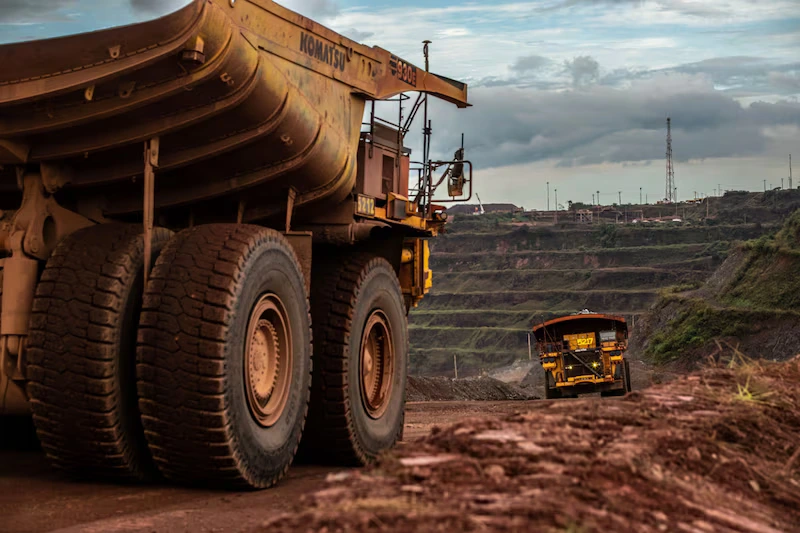
Central American Nations Open Mining Doors as Mexico Falters
Central American Nations Open Mining Doors as Mexico Falters.
One-stop reference
Company Intelligence
Every listed company in Latin America — financials, ownership and structure for 1,450+ companies across 26 exchanges, in one place.
Browse the directory →
RT
Ask Rio Times
17 years of Latin America reporting, on demand.
Open the full Ask Rio Times →

The government of President Rodrigo Chaves has proposed a plan to allow large-scale extraction in the country’s northern region. This initiative aims to address the issue of illegal mining, which has been ongoing since 2010.

Mexico’s Mining Dilemma

In contrast, Mexico has seen a decline in its mining sector attractiveness. The Fraser Institute’s mining investment attraction index ranked Mexico 74th out of 86 jurisdictions in 2023. This represents a significant drop from its previous position.

Mexico’s declining position stems from several factors. These include a policy freezing the granting of new concessions since 2018 and slowdowns in permit processing. Reforms to mining laws that lack clear regulations have also affected exploration activities.

As a result, the Mexican mining chamber Camimex expects investments to fall by more than 20% in 2025. This decrease would bring investments down to about $3.8 billion from approximately $5 billion in 2024.

The contrasting approaches highlight the complex balance between economic development and environmental protection. El Salvador and Costa Rica face challenges in managing environmental risks and public opposition.

Mexico, on the other hand, is at a crossroads with its mining industry. These changes could potentially motivate Mexico to adjust its regulatory strategy. The country needs to maintain its competitiveness in the region.

As these shifts unfold, the mining landscape in Central America and Mexico is likely to evolve. Potential shifts in investment flows, environmental practices, and economic impacts are expected across the region.

The mining industry’s contribution to GDP varies among countries. In El Salvador, Guatemala, and Honduras, it has not exceeded 1% of their gross domestic product. The developments in Central America could reshape the regional mining industry.

They may also influence investment decisions and economic strategies in neighboring countries. As the situation evolves, stakeholders will closely monitor the impacts on local economies and environments.

This article was produced by The Rio Times’ automated newsroom system. How we use AI · Report an error

Read More from The Rio Times

The Rio Times · Power Map
See who really holds power in Latin America
Click to open the Power Map

Rotate for Best Experience

This report is optimized for landscape viewing. Rotate your phone for the full experience.