The Panama Canal: A Historical Overview and U.S. Intervention Rights
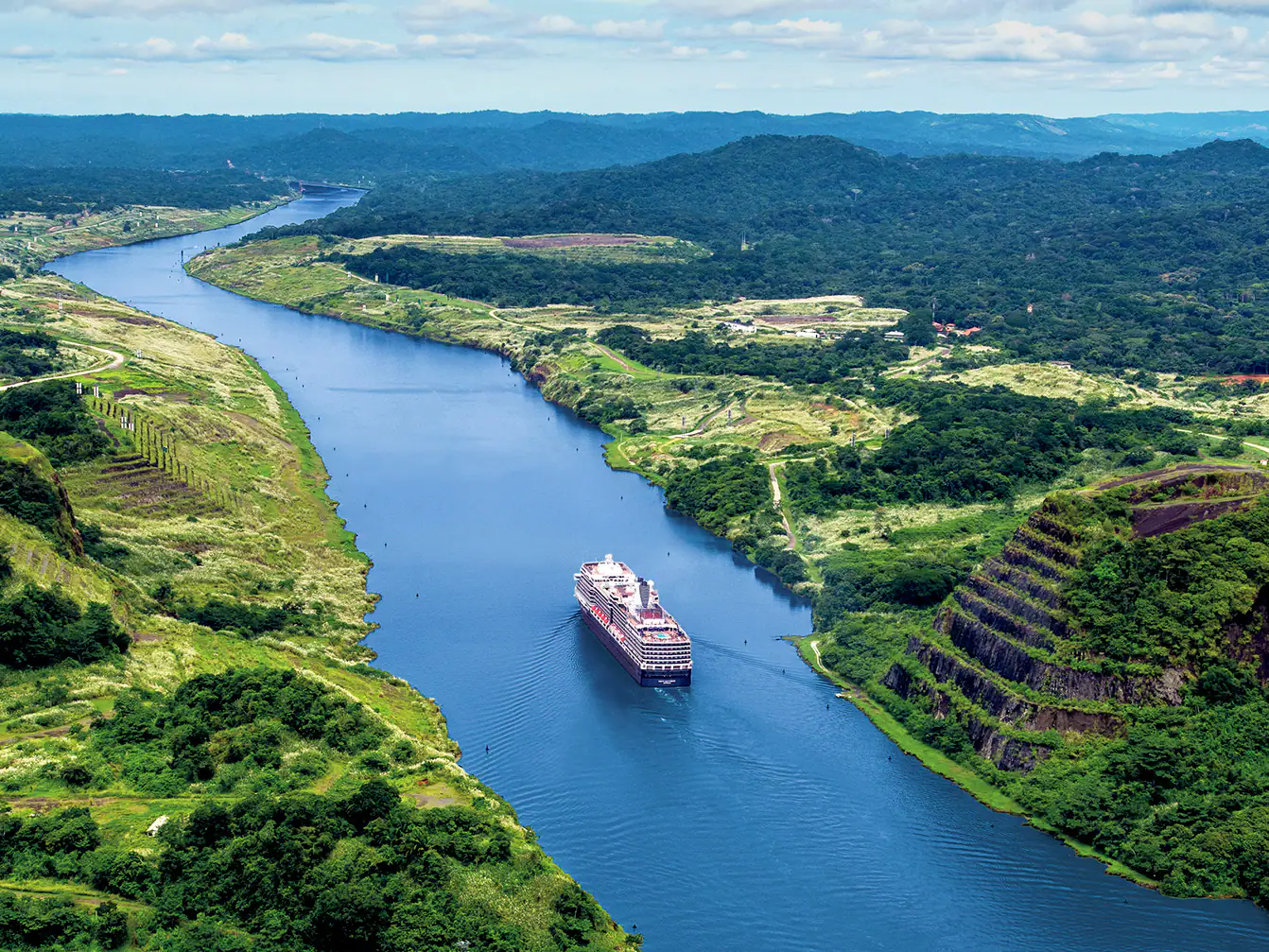
The Panama Canal, a crucial waterway connecting the Atlantic and Pacific Oceans, has a complex history intertwined with U.S. involvement. This article presents key facts about the canal’s development and the specific circumstances under which the United States can intervene militarily.
Construction and Control
The United States built the Panama Canal between 1904 and 1914, following a failed French attempt. The U.S. gained control of the Canal Zone through the Hay-Bunau-Varilla Treaty of 1903, which granted them rights “in perpetuity”.
Transfer to Panama
On December 31, 1999, the U.S. transferred full control of the Panama Canal to Panama, as stipulated by the Torrijos-Carter Treaties signed in 1977.
The Torrijos-Carter Treaties
The Torrijos-Carter Treaties consist of two agreements:
- The Panama Canal Treaty
- The Treaty Concerning the Permanent Neutrality and Operation of the Panama Canal (Neutrality Treaty)
[arve url=”https://www.riotimesonline.com/wp-content/uploads/1736/40/Panama.mp4″ /]
U.S. Military Intervention Rights
The Neutrality Treaty outlines specific circumstances under which the U.S. can intervene militarily. The exact wording from the treaty states: (Download the treaties here)
“The United States of America and the Republic of Panama agree to maintain the regime of neutrality established in this Treaty, which shall be maintained in order that the Canal shall remain permanently neutral, notwithstanding the termination of any other treaties entered into by the two Contracting Parties”.
“For the duration of this Treaty, the United States of America shall have primary responsibility to protect and defend the Canal”.
“Each of the two countries shall, in accordance with their respective constitutional processes, defend the Canal against any threat to the regime of neutrality and consequently shall have the right to act against any aggression or threat directed against the Canal or against the peaceful transit of vessels through the Canal”.
These provisions ensure that while Panama controls the canal, the U.S. retains the right to intervene if the canal’s neutrality is threatened, subject to both countries’ constitutional processes.
Current Management and Chinese Influence
Officially, the Panama Canal Authority, a Panamanian government agency, operates and manages the canal. Panamanian President Jose Raul Mulino has stated that no Chinese soldiers operate the canal. However, China’s growing influence in the region has raised questions and concerns:
- CK Hutchison Holdings, a Hong Kong-based company, manages two ports at the canal’s entrances.
- China ranks as the second-largest user of the Panama Canal, following the United States.
- China has made substantial investments in Panama’s infrastructure.
These facts have led to debates about the extent of China’s influence over the canal’s operations and Panama’s economy. While there’s no evidence of direct Chinese control over the canal, the full extent of China’s influence remains a topic of discussion among international observers.
Recent Developments
U.S. President-elect Donald Trump’s recent statements have reignited discussions about the canal’s control:
- Trump has made claims about Chinese influence over the canal.
- He has suggested the possibility of the U.S. retaking control of the canal.
- Panama’s government has firmly rejected these suggestions, stating that the canal’s sovereignty is “non-negotiable”.
Conclusion
Given the provisions of the Neutrality Treaty and China’s growing influence in Panama, Trump’s interpretation of the situation remains open to discussion. While some of his specific claims may be disputed, it would be inaccurate to dismiss his concerns or rights as entirely baseless.
The complex interplay between historical agreements, current geopolitical realities, and increasing Chinese economic presence in the region creates a nuanced situation that warrants careful consideration and ongoing monitoring by international stakeholders.
Download the treaties here.
More: Latin America news in English, every day from The Rio Times.
This article was produced by The Rio Times’ automated newsroom system. How we use AI · Report an error · Editorial responsibility: Matthias Camenzind, Editor-in-Chief