Haiti’s Gang Crisis: Central American Troops Join the Fight
In a country where gangs control 85% of the capital, a new chapter unfolds. On January 3, 2025, 83 soldiers from Guatemala and El Salvador landed in Port-au-Prince, Haiti. Their mission: to reinforce the UN-backed Multinational Security Support (MSS) initiative against rampant gang violence.
These Central American troops join a force led by Kenya, which deployed 400 officers in June 2024. The international community responds to Haiti’s plea for help, with the U.S. pledging millions in support.
However, challenges persist. Despite the MSS presence, violence continues to escalate. In November, gunfire hit American airline planes over Port-au-Prince, leading to flight suspensions.
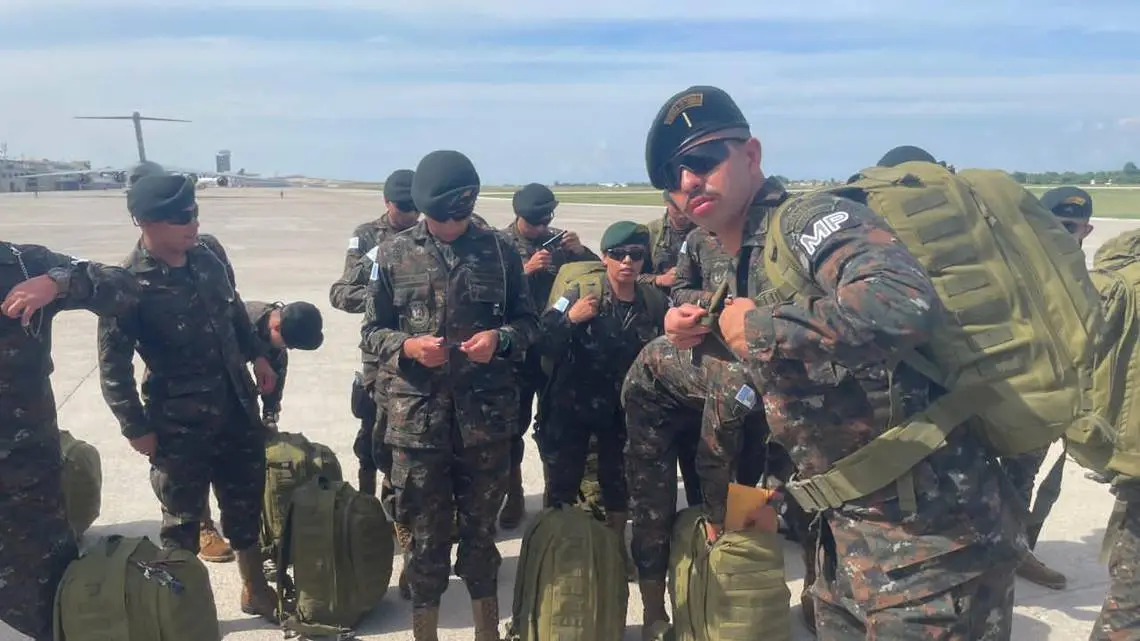
The arrival of these troops marks a critical moment in Haiti’s struggle for stability. Since President Jovenel Moïse’s assassination in 2021, the country has grappled with political turmoil, natural disasters, and a growing hunger crisis. Nearly half the population faces acute food insecurity, with over 700,000 internally displaced.
Haiti’s Gang Crisis: Central American Troops Join the Fight
As Central American forces integrate into the MSS, observers watch closely. The mission’s success remains uncertain, given the complex challenges on the ground. Haiti’s crisis extends beyond security, encompassing political instability and economic hardship.
This development represents more than just additional manpower. It symbolizes a regional commitment to addressing Haiti’s security crisis. The coming months will reveal whether this reinforced international presence can turn the tide in Haiti’s fight against gang dominance and pave the way for lasting stability.
More: Latin America news in English, every day from The Rio Times.
This article was produced by The Rio Times’ automated newsroom system. How we use AI · Report an error · Editorial responsibility: Matthias Camenzind, Editor-in-Chief