Central African Fuel Monopoly Faces Change
CENTRAL AFRICAN REPUBLIC · FUEL
Key Facts
- What is happening Neptune Oil’s fuel import monopoly is said to have passed to Sopraf; no official confirmation yet.
- Why it matters The IMF says costly, opaque imports keep pump prices high in this landlocked country.
- The numbers Press summaries of an audit put the state’s loss at about US$1.7 million a month.
- Who is who Neptune Oil, a Cameroonian importer, holds a ten-year licence from 2023; Sopraf is said to be state-owned.
- What to watch Whether the government publishes the new hydrocarbons law and names which companies may import fuel.
- What it means for you The US State Department advises Americans not to travel there; check its advice before any trip.
A Central African news site says the president has moved the country’s fuel import monopoly from one company to another. No official document confirms it, and the checkable facts point to a slower change.
A Central African news site says President Faustin-Archange Touadéra has stripped Neptune Oil of its fuel dominance. It says Sopraf, a company linked to the state, takes over, but it cites no decree or official statement.
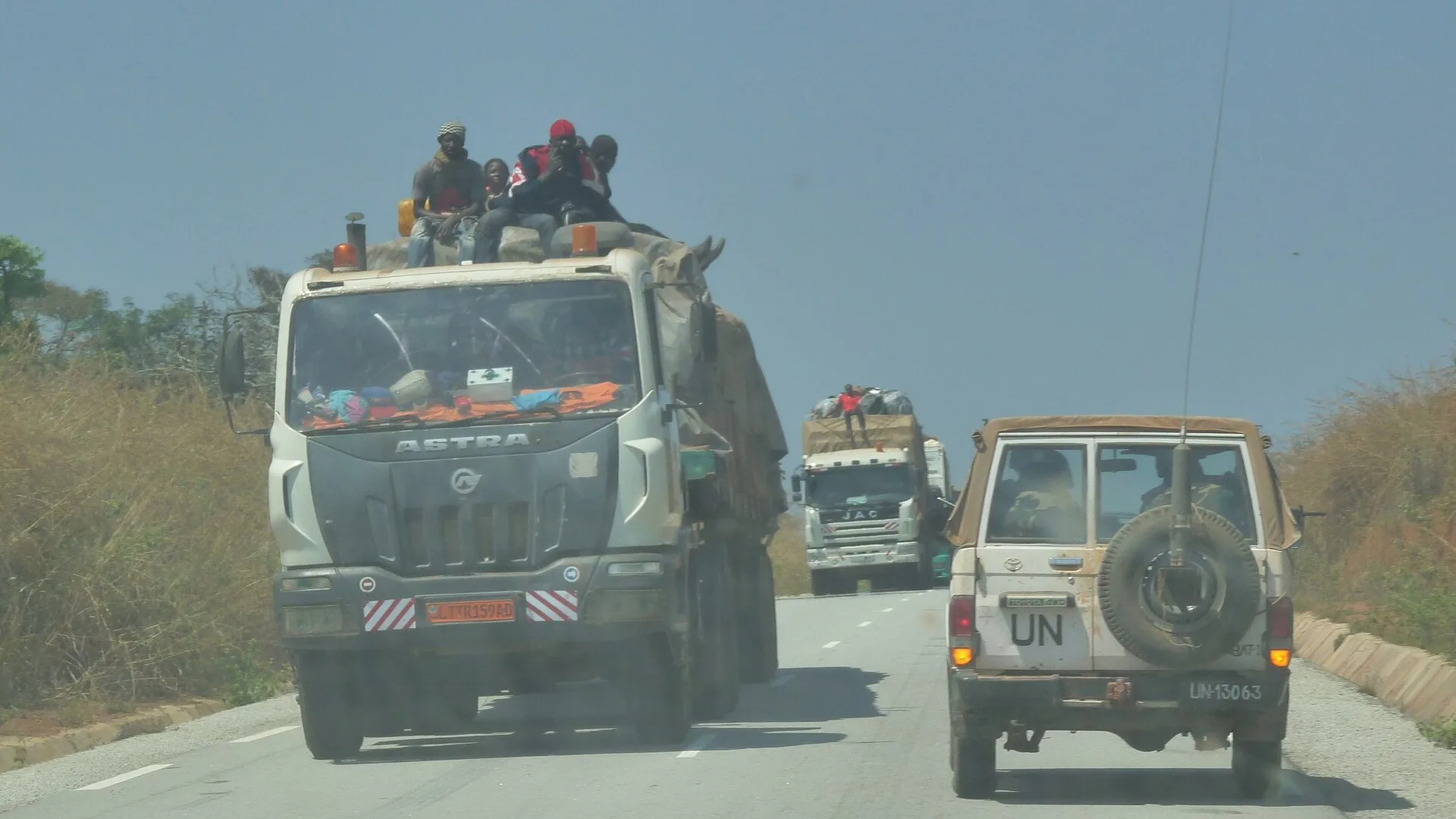
The matter reaches beyond Bangui, the capital, because this landlocked country imports its fuel overland through neighbouring states. For US readers it bears on safety advice, aid logistics and a US$197 million programme from the International Monetary Fund, the IMF.
The claim appeared on Tuesday 3 November 2026 and no government text confirming it has been found. The checkable record shows a country trying to end a ten-year fuel monopoly, with the details still unclear.
What the Local Report Says
The outlet says Touadéra withdrew Neptune Oil’s dominant position and handed it to Sopraf, the Pan-African Petroleum and Refined Products Company. It says the state officially holds 51% of Sopraf, which was created in December 2022.
It says the new beneficiary lacks the money to supply the market regularly, which could worsen queues in Bangui. It gives no figures, and no official is quoted confirming the handover.
The outlet makes further claims about who benefits financially. Those claims rest on unnamed sources, no document has been shown, and they are not repeated here.
How One Company Won the Fuel Market
In 2023 the government gave Neptune Oil, a Cameroonian company, an exclusive ten-year licence to import fuel. A Geneva-based research group, the Global Initiative Against Transnational Organized Crime, published a study on it on 6 November 2025.
The study says the licence sidelined other licensed fuel marketers and breaches existing law. It estimates excess revenue in 2024 of between US$17.5 million and US$30 million.

The IMF, the country’s reform lender, said in June 2025 that costly, opaque imports keep pump prices high. It called an overhaul of the fuel market pivotal to macroeconomic stabilisation and approved a US$58 million payment.
What the Audit Found
An independent audit requested by the IMF, written by the Canadian consultancy CPCS, is dated October 2025. Its findings emerged in December 2025, after delays in passing the report to the authorities.
It found no justification for a gap between the assumed fuel purchase price and market prices, which inflates pump prices. The state loses about 1 billion CFA francs (about US$1.7 million) a month as a result, press summaries say.
The auditors recommended opening the market to other importers for a steadier supply and lower costs. Conversions in this article use the exchange rate of 3 November 2026.
The Law Meant to End the Monopoly
On Monday 13 July 2026 the National Assembly, the country’s parliament, adopted a law reorganising the hydrocarbons sector. Local outlets say it is meant, in theory, to end the exclusivity of fuel imports.
As of late July the text had not been published, so it is unclear whether the law is in force. No list of approved importers has been found.
Local business press said in August 2025 that Sopraf would manage a fund fed by sales of donated Russian diesel. That shows the company is known to the authorities, but it does not show that it now holds import rights.
Related Rio Times reports include Bangui Truck Blockade Strands 100 Lorries and Central African Republic Defends 12% Diesel Price Rise. More is on the Central African Republic hub and in Central African Republic Neighbours, Borders and Trade.
What It Means for US Readers
The US State Department, Washington’s foreign ministry, advises Americans not to travel there because of crime, unrest and kidnapping. Its embassy in Bangui has limited ability to help citizens.
US sanctions on Wagner, a Russian private army active in the country, bar American firms from dealing with it. Any Russian-linked fuel deal would therefore need careful legal checks.
For investors, the IMF programme is the main link, with about US$197 million approved in total in April 2023. A change in who controls fuel imports could affect pump prices, tax revenue and the next IMF review.
What Is Not Known
No decree, ministerial order or company statement confirming a handover to Sopraf has been found, and Neptune Oil’s response is unknown. The ownership of Sopraf and its financial capacity rest on one outlet’s account.
It is not known whether the July 2026 law is in force or who will receive import approvals. The full audit has not been published, so its findings are known only from press summaries.
What Comes Next
Watch for publication of the hydrocarbons law, a list of approved importers and any statement from the presidency or the energy ministry. A future IMF review would also test the fuel reforms.
None of this means pump prices will fall soon, since supply still depends on long overland imports. A confirmed decree or a licence list would settle the open questions.
Frequently Asked Questions
Who is Neptune Oil?
Neptune Oil is a Cameroonian company that received an exclusive ten-year licence to import fuel into the Central African Republic in 2023. A 2025 study by the Global Initiative Against Transnational Organized Crime criticised the arrangement.
Has the Central African government ended the fuel monopoly?
A local news site says so, but no decree or official statement has been found. Parliament passed a hydrocarbons law in July 2026 that is meant, in theory, to end exclusivity.
What is Sopraf?
Sopraf is the Pan-African Petroleum and Refined Products Company, created in December 2022. A local outlet says the state officially holds 51% of it, which has not been independently confirmed.
Why is fuel so expensive in the Central African Republic?
The country is landlocked, so its fuel is imported overland through neighbouring states. The International Monetary Fund says costly and opaque imports keep pump prices high.
Is it safe for Americans to travel to the Central African Republic?
The US State Department advises Americans not to travel there because of crime, unrest and kidnapping. The US embassy in Bangui has limited ability to help citizens.
Sources: IMF, Press Release 25/179, Central African Republic, 4 June 2025; Global Initiative Against Transnational Organized Crime, Central African Republic fuel study, 6 November 2025; US State Department, Central African Republic travel advisory; US Treasury, Wagner designation, 26 January 2023 (all accessed 3 November 2026).
Editorial responsibility: Matthias Camenzind, Editor-in-Chief · Editorial standards · Report an error