Cemig’s 13.3% Growth in Free Market Energy Sales Highlights Brazil’s Power Shift
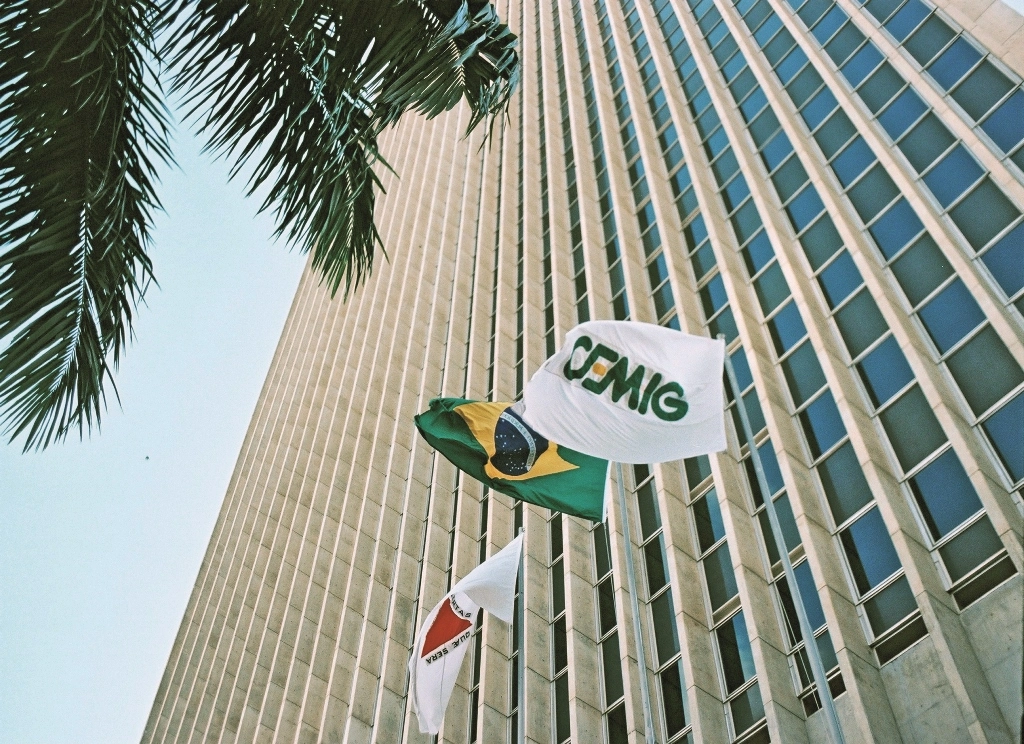
Cemig, Brazil’s major energy player, has seen a notable 13.3% jump in retail free market energy sales in October. This increase underscores a significant shift in Brazil’s energy landscape as the country embraces market liberalization.
Since January, high-voltage consumers have gained the freedom to select their energy suppliers. This regulatory change has opened doors for competition and choice, allowing smaller consumers to engage in the free market through retail energy traders.
In addition, Cemig now commands a 15% market share with 114.8 average megawatts of contracted energy. The company’s proactive strategies have fueled its growth.
Cemig launched an e-commerce platform for renewable energy and formed partnerships with various institutions. These initiatives not only attract customers but also align with the growing demand for sustainable energy options.
Financially, Cemig is thriving. In the third quarter of 2024, it reported a net profit of R$3.28 billion, a striking 165% increase from the previous year. Revenue from energy sales rose by 4.6%, driven by increased residential consumption and participation in the free market.
Brazil’s move towards a free energy market is part of a broader modernization effort in its electricity sector. The government plans to expand this model to low-voltage users by 2028, potentially including residential customers.
This transition could enhance competition and lower costs for consumers while promoting sustainable practices. Cemig’s performance reflects the potential benefits of this market shift.
As consumers embrace more choices, energy providers must adapt to remain competitive. The changes in Brazil’s energy sector could serve as a model for other countries looking to modernize their power systems.
More: Brazil news in English, every day from The Rio Times.
This article was produced by The Rio Times’ automated newsroom system. How we use AI · Report an error
LatAm Markets: Live Signals → — real-time movers, turnover leaders and FX across Latin America.
Read More from The Rio Times