Sargassum in Cancun: What to Know Before You Book
Mexico · Travel
Key Facts
—Amàre Cancún: Opens 31 October 2026, 429 rooms. Bookings open now. Rates not published.
—Kimpton Tres Rios: Opens 22 September 2026, Riviera Maya. Bookings open now. Room count unverified.
—Sargassum hauls: Over 105,000 metric tons cleared by 14 August 2026, beating 2025’s record.
—Alert status: SEMAR keeps the semáforo red for the region as of 9 August 2026.
—Clearest beaches: Isla Contoy, Isla Blanca, Punta Sam, and most north-facing Cancún beaches.
—Peak season: August to October is the highest risk; conditions ease gradually from September.
Two new all-inclusive properties open this autumn in the Cancun area. They debut as Quintana Roo clears record sargassum tonnage and the regional alert stays red.
Two new all-inclusive resorts open in the Cancun area this autumn. They are debuting into the worst sargassum season on record.
Meet the two new resorts
Amàre Cancún sits in the hotel zone of Cancún. The reports confirm it has 429 suites and rooms.
Its exact street address is not published. You can book through amarehotels.com, hilton.com, the Hilton Honors app, or a preferred travel advisor.
Official nightly rates are not published yet. Third-party listings have circulated figures, but none is an official published rate.
Kimpton Tres Rios Riviera Maya is located near Playa del Carmen in the Riviera Maya. Its room count and full address are not confirmed in any public source yet.
Reservations for Kimpton Tres Rios opened in July 2026 through the brand’s booking system. Nightly rates are not published.
A secondary listing quoted a lower figure, but the hotel has not published a rate. Both are all-inclusive brands, but neither property publishes a sargassum-free claim.
We found no source showing either hotel marketing itself that way.
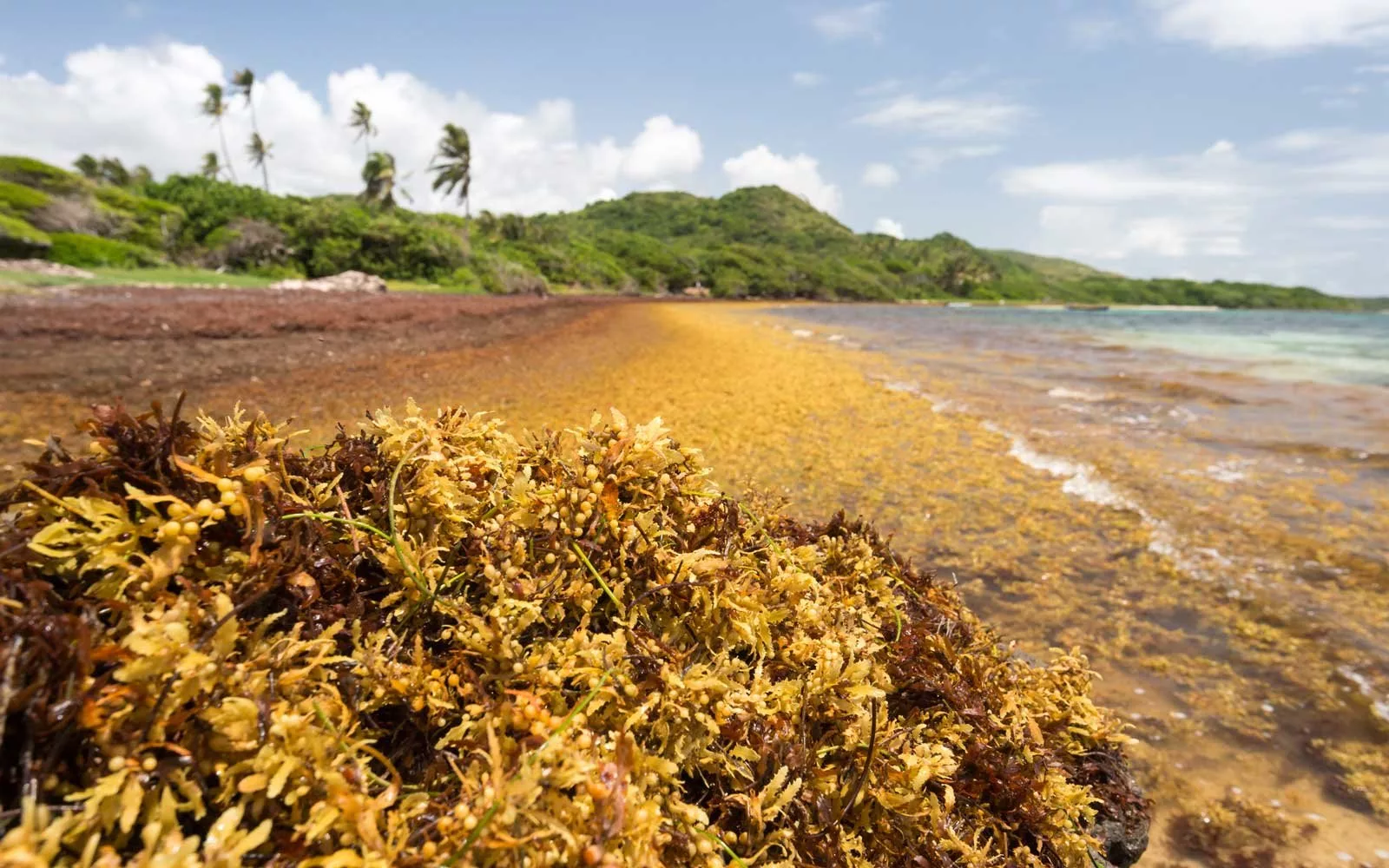
The honest sargassum picture
By 14 August 2026, officials in Quintana Roo had cleared more than 105,000 metric tons of sargassum this year. That already exceeds the previous full-year record of about 92,783 tons set in 2025.
An earlier report from 30 July cited 96,151 tons collected. The over-105,000 figure comes from Reuters on 14 August.
The Mexican Navy, SEMAR, keeps the regional semáforo, or traffic-light alert, in red because of excessive seaweed. The alert was still red as of 9 August 2026.
The season typically peaks in August, September, and October. Coordinator Esteban Amaro of the monitoring network expects significant arrivals to continue into October.
A gradual decline usually begins in late August or September, but it does not happen evenly across all beaches. Some stretches stay heavy while others clear up.
The 2026 season is already the most intense ever measured in the region by tonnage removed. The same August reporting says SEMAR kept the semáforo red for the entire region due to excessive sargassum.
Which beaches are least and worst affected
The clearest water in mid-August tends to be on the north-facing bay side of Cancún. Beaches like Playa Caracol, Playa Langosta, Playa Tortugas, and Playa Las Perlas are consistently among the least affected.
A 2026 summary on Cancun beach conditions states these are on the north side, not the exposed east coast. Isla Contoy, Isla Blanca, and Punta Sam were also clear in monitoring reports from 11 August.
Isla Mujeres beaches including Playa Norte also tested green or blue on that day. The worst stretches by early August included Tulum Zona Hotelera, Akumal, Puerto Aventuras, Playa del Carmen, and Mahahual.
Puerto Morelos Norte was specifically listed as red on 10–12 August reporting. Punta Allen, Punta Pájaros, and Xcalak had excessive sargassum in the 7 August network report.
Those beaches face the open Caribbean and get little natural protection. Check the Red de Monitoreo map one or two days before you travel, because conditions shift quickly.
A beach that is clear today can be brown tomorrow. The monitoring network showed 56 of 140 beaches in red on 7 August.
When it eases and what you should do
The safest booking window for clearer beaches is late January through April. November to early December is also lower-risk, but no month is guaranteed clean.
Esteban Amaro said the season would likely continue for a couple more months with a larger decline toward September or October. If you book for late 2026, choose a north-facing beach in Cancún, Costa Mujeres, or Isla Mujeres.
Those locations have the best odds through the tail of the season. Avoid Tulum, Akumal, and Playa del Carmen for an autumn trip if seaweed is your main concern.
Those beaches are the most exposed and the slowest to clear. Ask your hotel directly about its cleanup schedule and whether it runs boats with barriers.
Hotel-level effort matters and is not always counted in official totals. Consider travel insurance that covers cancellation for natural conditions.
No resort can promise sargassum-free water, so protect your booking.
What authorities are doing about it
The federal government announced a MX$2.635 billion strategy for Quintana Roo. That is about US$155 million at 17.02 pesos to the dollar on 16 August 2026.
That plan includes two tugboats, six coastal collection vessels, and nearly 51 kilometers of barriers. The first phase of that plan is worth MX$768.7 million, about US$45 million.
Collection capacity is meant to rise from 1,227 tons per day to 1,870 tons per day. The Navy also operates 11 coastal ships, one amphibious collector, 18 support boats, and four drones across the region.
The state government allocated another MX$770 million, about US$45 million, to strengthen satellite monitoring. Playa del Carmen separately plans a 5-kilometer offshore barrier funded with MX$45 million (about US$2.6 million).
Municipal crews clean public beaches while hotels run their own teams. Hotel cleanups often do not appear in the official tonnage figures.
The federal strategy aims to raise capacity to 4,000 tons per day by 2027. None of this prevents the seaweed from arriving; it only removes it faster once it does.
That is why the alert can stay red even on busy tourism days.
Frequently Asked Questions
Is it safe to book a Cancun resort for autumn 2026?
Yes, but choose your beach carefully. North-facing Cancún beaches and Isla Mujeres have the best odds of clearer water through October. Avoid Tulum and Playa del Carmen if sargassum is a dealbreaker for you. Check the Red de Monitoreo map before booking.
Do the new resorts promise sargassum-free beaches?
No. Neither Amàre Cancún nor Kimpton Tres Rios publishes such a claim, and we found no source showing they do. Treat any such promise with suspicion.
When does the sargassum season normally end?
Arrivals usually decline from late August or September, but heavy events can continue into October and November. The safest window for travel is January through April.
How bad is 2026 compared with previous years?
It is the worst on record so far. More than 105,000 metric tons had been removed by 14 August, already surpassing the 2025 full-year record of about 92,783 tons.
Sources
- www.reuters.com
- www.poresto.com
- www.lajornadamaya.mx
- www.vacationpro.co
- markets.businessinsider.com
- www.caribjournal.com
This article was produced by The Rio Times’ automated newsroom system. How we use AI · Report an error
Read More from The Rio Times