Canada’s US$6.2B Steel and Auto Aid Package Explained
CANADA · ANALYSIS
Key Facts
- —What is happening Canada and Ontario announced a C$8.7 billion package on October 21, 2026, to counter US tariffs and protect about 290,000 Ontario jobs.
- —Why it matters The package signals Ottawa will subsidize industrial modernization and diversification rather than absorb US tariff shocks, raising stakes for the USMCA review.
- —The numbers The Joint Steel Action Fund has five-year funding commitments totaling C$5.22 billion, automotive capital support totals C$2.5 billion over two years, and Ring of Fire infrastructure receives up to C$1 billion over three years.
- —Who is who Prime Minister Mark Carney and Ontario Premier Doug Ford co-announced the package.
- —What to watch Whether USMCA protections survive the review.
- —What it means for you US manufacturers in Detroit and Ohio may see Canadian suppliers preserved by aid, but also face subsidized competition for future EV, steel, and critical-mineral investment.
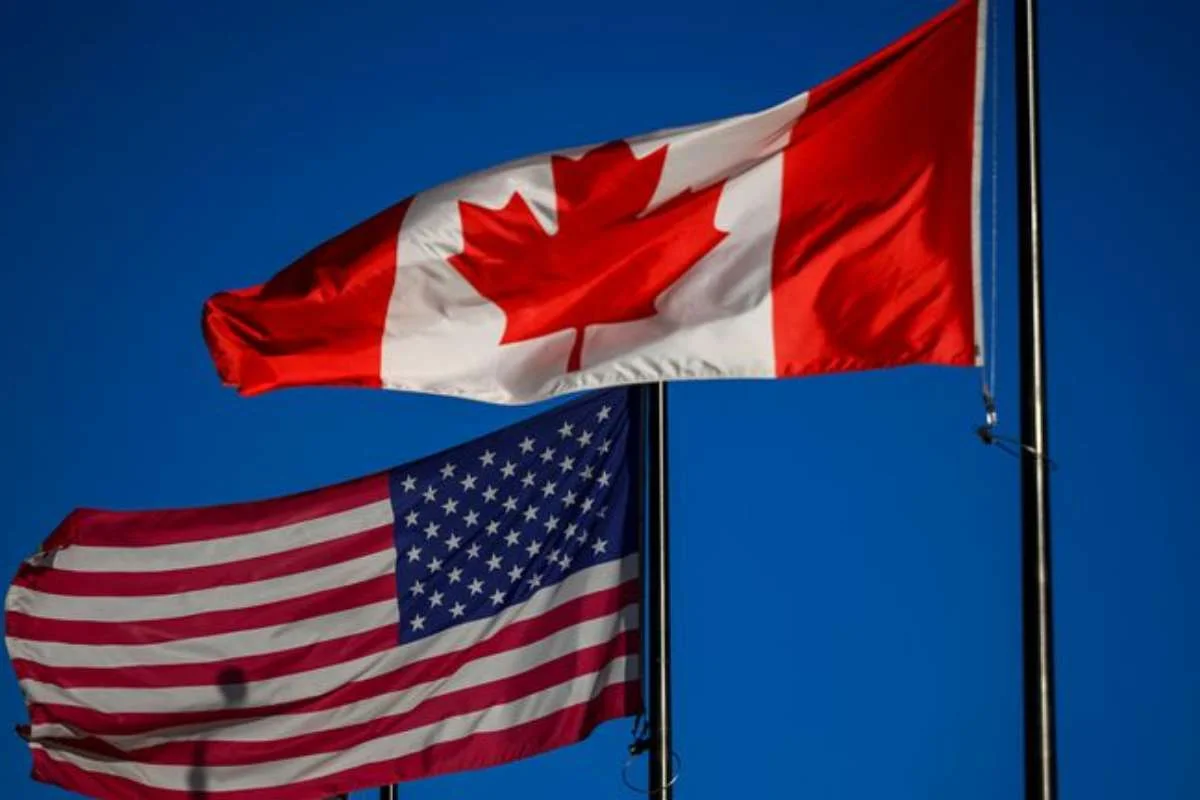
Canada’s steel auto aid package of C$8.7 billion is a defensive industrial-policy response to US tariffs, not a tariff settlement. For US readers, it means Ontario steelmakers and automakers will be subsidized to modernize, diversify, and compete more aggressively while the USMCA review and Section 232 tariff disputes continue.
Canada is the largest foreign supplier of steel and vehicles to the United States, and Ontario is the industrial heart of that relationship. This analysis explains who gets the money, what it means for US tariffs and supply chains in Detroit and Ohio, and the risks for investors and expats, drawing on the USA & Canada Intelligence Brief of October 22, 2026.
What Is Happening and How We Got Here
The package announced by Prime Minister Mark Carney and Ontario Premier Doug Ford is less a conventional bailout than a strategic industrial-policy intervention. It directs the largest sums to steel and automotive capital investment while using procurement, trade enforcement, and critical-mineral infrastructure to reduce Canada’s dependence on the US market.
The immediate trigger is the unresolved tariff dispute with the United States. Steel is already subject to a US rate of about 50% on most Canadian steel.
The package is also a response to the USMCA review, after the US administration declined to confirm an extension of existing terms.
Canada’s response has included dollar-for-dollar retaliation on selected US products, including steel, dairy, appliances, agricultural equipment, pulp and paper, and electronics. The new aid package therefore serves two diplomatic purposes: signalling that Ottawa will defend strategic industries, and giving Washington an incentive to negotiate by showing Canada is willing to subsidize substitution, diversification, and retaliation.
The Numbers That Matter
The headline figure is C$8.7 billion over five years, approximately US$6.18 billion as of October 2026. The money is not allocated company-by-company in the announcement; it is structured around funds, capital programs, and infrastructure commitments.
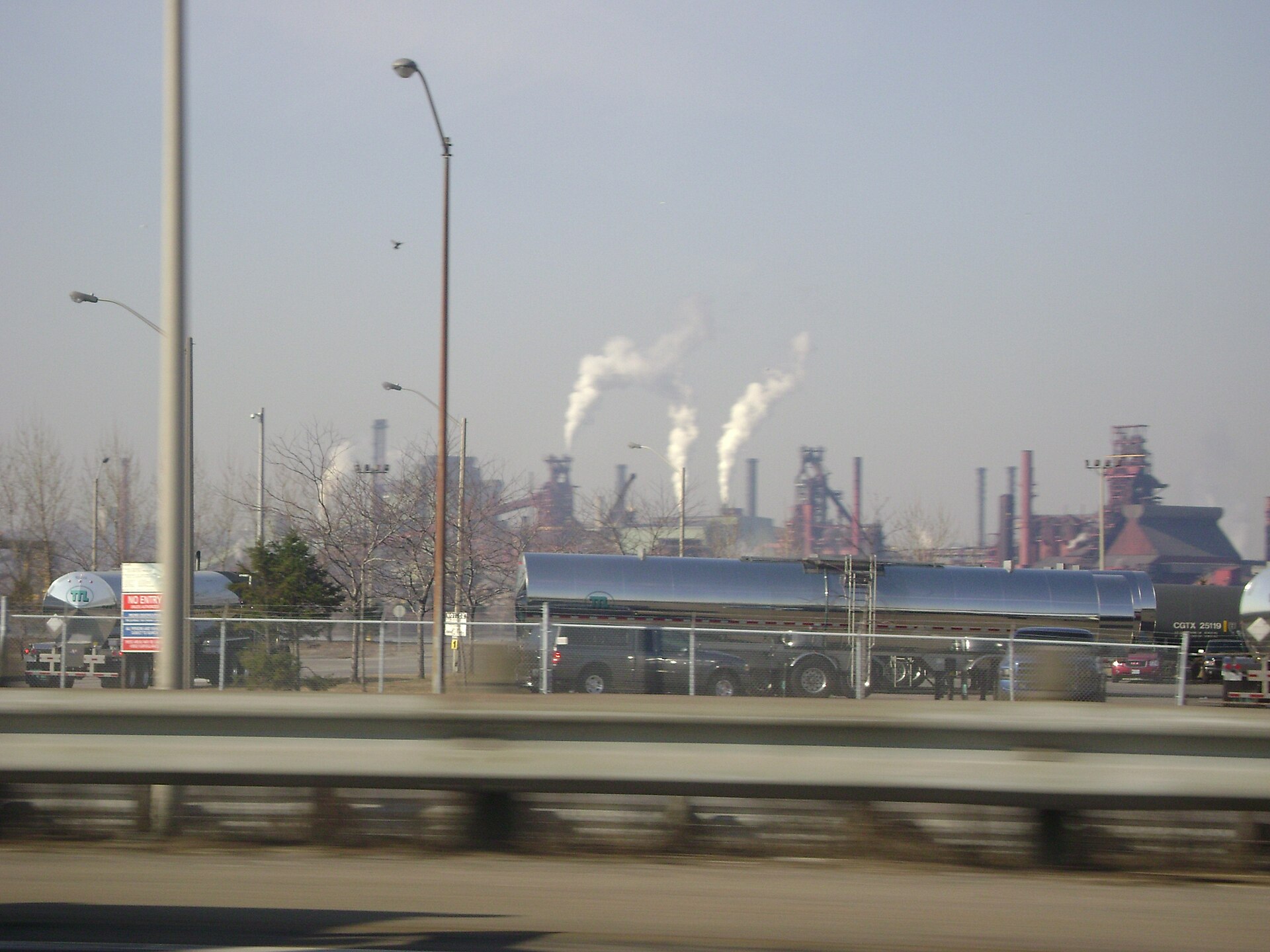
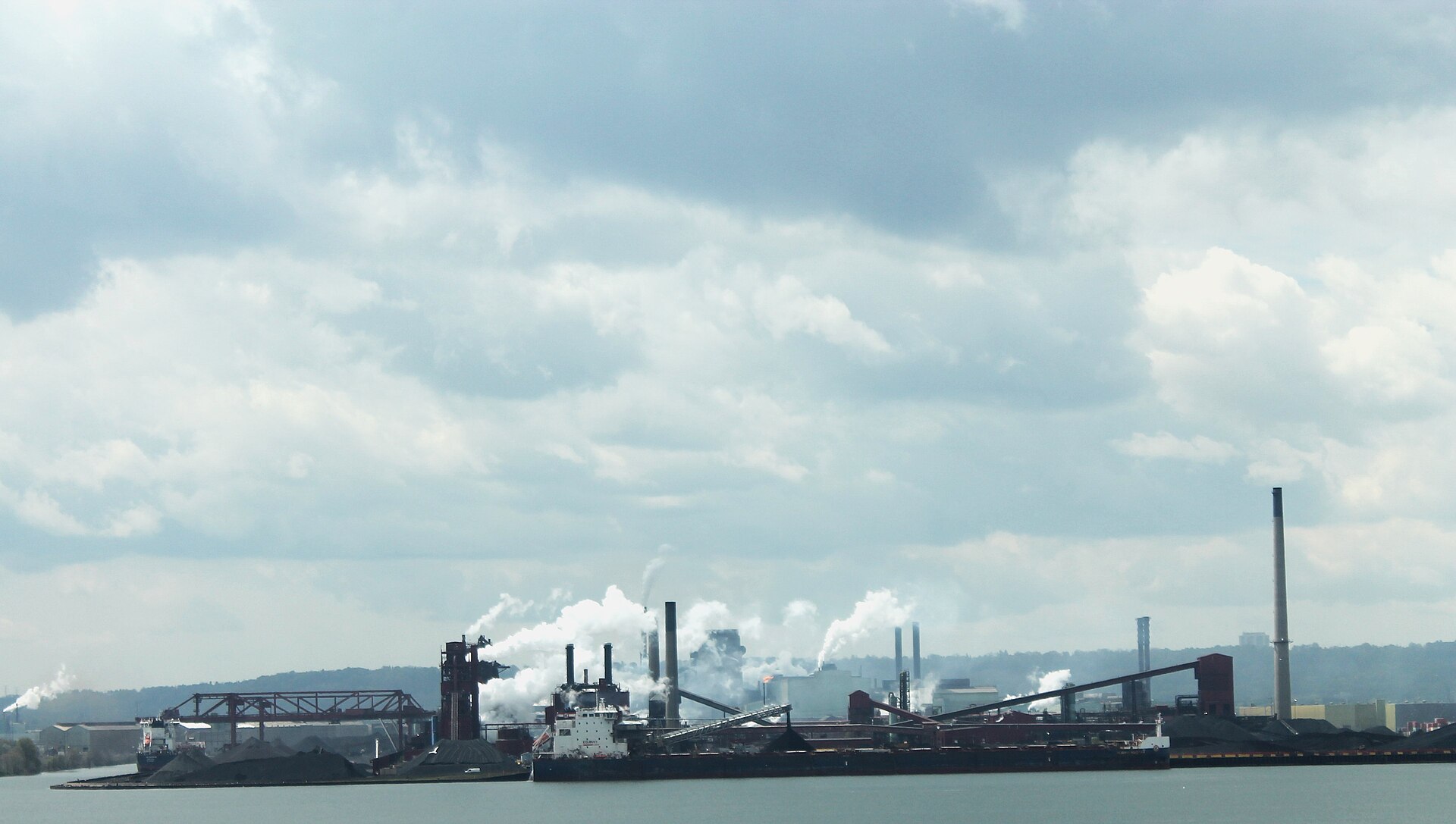
The largest component is the Joint Steel Action Fund, which has five-year funding commitments totaling C$5.22 billion. The federal government contributes C$3.55 billion and Ontario contributes C$1.67 billion.
The automotive capital support totals C$2.5 billion over two years.
The federal government says the package could protect about 220,000 jobs in steel, auto and related industries and create 70,000 jobs linked to the Ring of Fire, about 290,000 in total. The steel component is often rounded publicly to C$5.2 billion, and the automotive component to C$2.5 billion.
The Actors and What Each Wants
Prime Minister Mark Carney is using the package to position Canada as a resilient trading partner that will not simply absorb US policy shocks. His government wants to preserve manufacturing jobs while strengthening Canada’s bargaining position in the USMCA review.
Ontario Premier Doug Ford is defending the province’s industrial base and its integrated auto corridor. Ontario’s contribution signals that the province is willing to co-invest in strategic sectors rather than wait for federal action alone.
Federal Minister of Finance François-Philippe Champagne is responsible for the fiscal framework and funding authorization. Federal Minister of Industry Mélanie Joly has held the portfolio since May 2025.
The Canada Border Services Agency is assigned enhanced monitoring and targeted enforcement against unfair steel trade practices and dumping. The Canadian International Trade Tribunal is chaired by Bree Jamieson-Holloway, appointed in 2026.
It calls for stronger enforcement against foreign steel dumping and unfair subsidies, adding a defensive trade-policy layer to the investment program.
Economic and Business Stakes
The Canadian and US auto industries are operationally interdependent. Ontario plants and parts suppliers are connected to assembly and component networks in Michigan, Ohio, and other Midwestern states, meaning a tariff imposed at the border can affect a vehicle or component multiple times as it crosses between plants.
For Detroit-area manufacturers, the Canadian package may preserve suppliers that are commercially important to US production. Capital support for Ontario plants could keep lines operating, maintain tooling capacity, and sustain deliveries into US facilities.
The opposing risk is that subsidies encourage manufacturers to relocate future investment toward Canada or to redesign sourcing around Canadian content. That could intensify competition for new EV, battery, and advanced-component projects in Detroit, Ohio, and Ontario.
Ohio is particularly relevant because its manufacturing economy is tied to steel, automotive components, electric-vehicle investment, and the broader Great Lakes logistics network. Canadian efforts to diversify steel production and prioritize domestic procurement could redirect some demand away from US mills, while stronger Canadian steel capacity could provide North American manufacturers with a more reliable regional source if tariff barriers are eventually reduced.
The near-term commercial effect is likely to be more administrative complexity. Companies must determine whether a product qualifies under USMCA, separately test exposure to Section 232 tariffs, document origin and steel content more carefully, and face uncertainty over whether tariff exclusions, quotas, or future bilateral deals will remain available.

Critical Minerals: The Strategic Third Leg
The package links steel and autos to Northern Ontario’s Ring of Fire, a region considered important to Canada’s future critical-minerals supply chain.
The logic is vertical integration: Canada wants to connect minerals, processing, steel, batteries, and vehicle manufacturing inside North America rather than remain primarily an exporter of raw materials or a tariff-exposed assembler.
The opportunity is substantial. Better roads and coordinated federal-provincial permitting could reduce the cost and timeline of developing remote mineral deposits, supporting battery materials and other inputs needed for electrification while strengthening Canada’s negotiating position with the United States.
The risks are equally substantial. Road infrastructure does not guarantee commercially viable mines or processing facilities, remote northern projects face high construction and environmental costs, and critical-mineral projects can take years to reach production while tariffs affect manufacturers immediately.
What It Means for the United States and Latin America
For US readers, the package is a signal that Canada will not passively absorb tariff pressure. It may preserve Canadian suppliers that US factories need, while also subsidizing Canadian competition for future steel, EV, and critical-mineral investment.
The package does not remove US tariffs. It is designed to make Canadian producers more resilient while the dispute continues, and the central problem is that USMCA compliance does not automatically protect products subject to US national-security tariffs.
For Latin America, the package has indirect but real implications. Canada applies a 50% surtax to steel imports exceeding tariff-rate quotas for countries without a free trade agreement with Canada, which could affect steel exporters in the region seeking alternative markets.
More broadly, Canada’s turn toward defensive industrial policy may encourage other US trading partners to consider similar measures. Latin American governments watching the USMCA review will note that even a close ally like Canada is now subsidizing substitution and diversification rather than relying solely on trade diplomacy.
Scenarios: What Would Stabilise It, What Would Tip It
The stabilising scenario is that the package gives Washington an incentive to negotiate. If the United States moderates its tariff policy and USMCA protections survive the review, Canadian aid could be absorbed as a temporary bridge rather than a permanent subsidy.
The tipping scenario is escalation. A move to 50% on Canadian vehicles and parts would materially change the economics of Ontario production and could trigger further retaliation.
Another risk is execution failure. The headline amount is large, but the October 21 announcement does not yet specify company-by-company allocation, application timetable, or final eligibility rules. Investors should distinguish announced funding ceilings from money already disbursed.
Subsidy competition is a further risk. Ontario, US states, and the federal governments of both countries may compete for the same EV, battery, steel, and mineral projects, with location decisions driven more by incentives than by productivity.
What It Means for You
If you are an investor with exposure to North American manufacturing, the package adds a new variable to location and sourcing decisions. Canadian subsidies may preserve suppliers you rely on, but they may also shift future investment toward Ontario.
If you are an executive in Detroit or Ohio, you should review your supply chain for exposure to Canadian steel and auto parts. The package does not remove tariffs, but it may change which Canadian suppliers remain viable and which products they prioritize.
If you are an expat or policy reader, the package is a case study in how a close US ally is using industrial policy as diplomacy. The outcome will shape the USMCA review and the broader debate over tariffs, subsidies, and North American integration.
What Is Not Known
The October 21 announcement does not identify individual plants, firms, or award amounts. Steelmakers, automakers, parts suppliers, and qualifying projects will need to apply or be selected under subsequent program rules that have not yet been published.
The exchange-rate methodology for converting the Canadian-dollar package into US dollars is not officially established. The package should be recorded primarily as C$8.7 billion to C$9.0 billion.
It is also not known whether the US will proceed with the threatened increase to 50% on Canadian vehicles and parts, or whether the USMCA review will produce an annual-review structure, a renegotiation, or a return to more stable terms.
What to Watch
A key date is January 1, 2027, when threatened higher U.S. tariffs on Canadian vehicles and parts could take effect. That decision will determine whether the package is a bridge or a prelude to deeper conflict.
The second is the USMCA review process. Any signal on whether the agreement will be extended, renegotiated, or placed on an annual-review structure will affect investment decisions across North America.
The third is the implementation of the package itself. Watch for application rules, eligibility criteria, and disbursement schedules for the Joint Steel Action Fund, the automotive capital support, and the Ring of Fire infrastructure commitments.
Its recommendations may signal how aggressively Canada will use procurement preferences and trade enforcement against foreign steel.
Related reading: Section 338 Tariffs on Canada Explained; Canada Counter Tariffs on US Goods Explained; USA & Canada Intelligence Brief, 22 October 2026.
Frequently Asked Questions
Who gets the money from Canada’s steel and auto aid package?
The money is not allocated company-by-company in the announcement. It is structured around funds and programs: the Joint Steel Action Fund has five-year funding commitments totaling C$5.22 billion, and automotive capital support totals C$2.5 billion over two years.
Does the package remove US tariffs on Canadian steel and autos?
No. The package does not remove US tariffs. It is designed to make Canadian producers more resilient while the dispute continues, and USMCA compliance does not automatically protect products subject to US national-security tariffs.
How many jobs could the package protect in Ontario?
The federal government says the package could protect about 220,000 jobs in steel, auto and related industries and create 70,000 jobs linked to the Ring of Fire, about 290,000 in total.
What is the Ring of Fire and why is it in the package?
The Ring of Fire is a region in Northern Ontario considered important to Canada’s future critical-minerals supply chain.
What does the package mean for Detroit and Ohio supply chains?
The package may preserve Canadian suppliers that are commercially important to US production in Detroit and Ohio. However, it may also subsidize Canadian competition for future EV, battery, and advanced-component projects in those states.
When will we know if the package is working?
A key date is January 1, 2027, when threatened higher U.S. tariffs on Canadian vehicles and parts could take effect. The USMCA review process and the implementation rules for the package will also provide early signals.
Sources: riotimesonline.com, pm.gc.ca, canada.ca, cbc.ca, grantthornton.com. Retrieved 22 October 2026.
This article was produced by The Rio Times’ automated newsroom system. How we use AI · Report an error · Editorial responsibility: Matthias Camenzind, Editor-in-Chief