Cameroon Election Board Members Sworn In
The oath is a legal formality, but it puts the people who will accept candidacies and send results to the Constitutional Council on record.

Cameroon · Elections
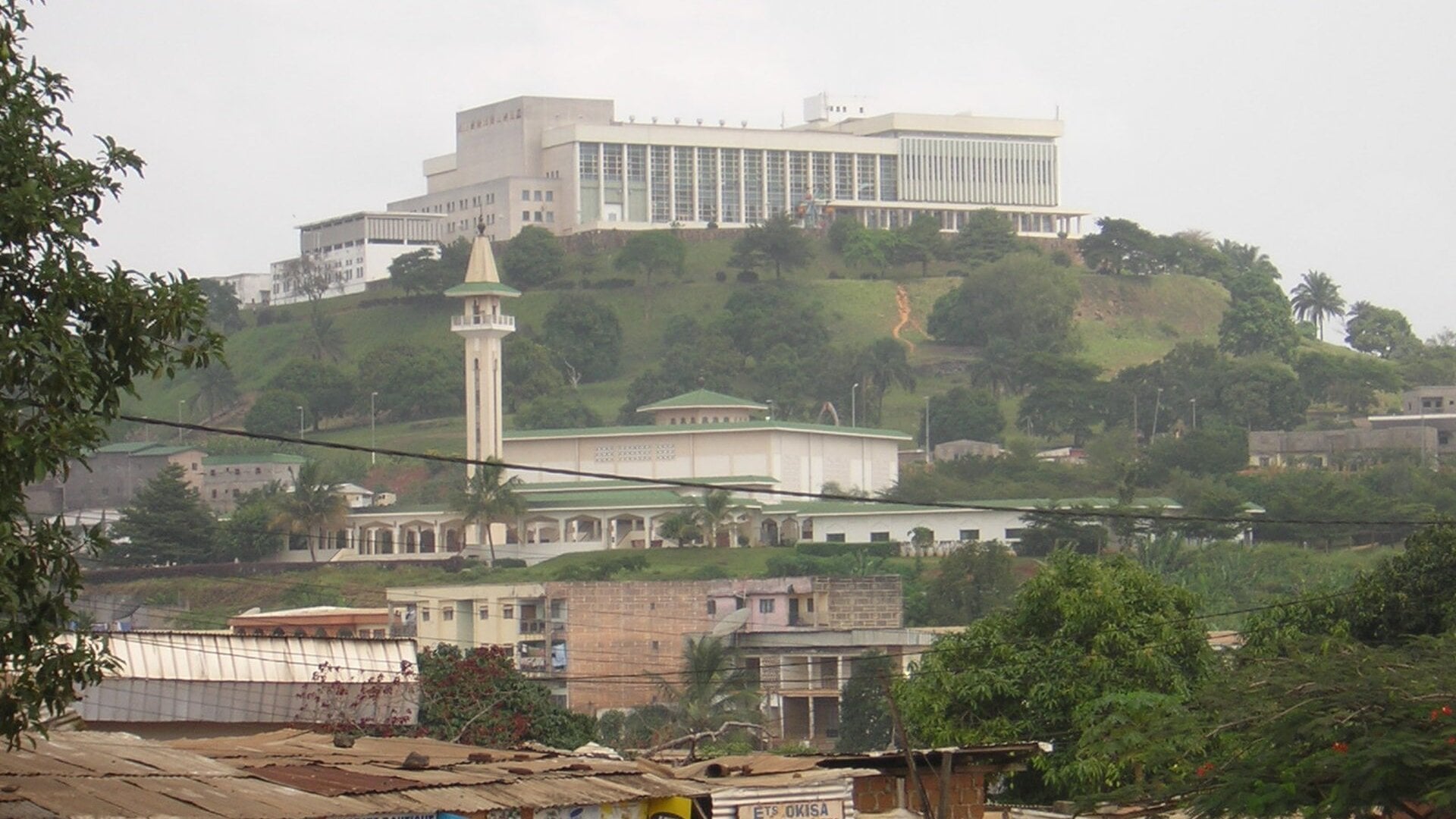
Members of Cameroon’s election board took their oath of office on Thursday 26 November 2026, about ten weeks before the vote they will supervise. Rémy Nama, who became president of the Constitutional Council, the court that announces election results, in October 2026, addressed the members.
The board is the governing council of Elections Cameroon, known as Elecam, the state body that runs every national election. The vote it will oversee is the double ballot for the National Assembly and municipal councils on Sunday 7 February 2027.
Key Facts
- Who Elecam’s Electoral Board, led by chairman Enow Abrams Egbe, renewed for four years.
- What Members swore the oath set by the Electoral Code before the Constitutional Council.
- When Thursday 26 November 2026, in Yaoundé, Cameroon’s capital.
- Why The oath binds members to impartiality, secrecy and silence on political positions.
- As of 27 November 2026, 13:15 GMT
The oath is a legal formality, but it puts the people who will accept candidacies and send results to the Constitutional Council on record.
President Paul Biya renewed the board’s four-year terms by decree on Monday 9 November 2026, the same day he convened voters for the February ballot. The renewed members include chairman Enow Abrams Egbe, vice-chairperson Appoline Marie Amugu and ten other members, twelve in all, each for another four years.
Section 12(6) of the Electoral Code, Cameroon’s election law, fixes the oath: members swear “to fully and faithfully discharge my duties and to exercise my office without fear or favour in accordance with the Constitution and laws in force”. They must swear it before the Constitutional Council before taking up their duties.
The oath also pledges members to keep deliberations and votes confidential, to “abstain from taking public positions” and to decline any consultation on matters within the board’s remit. Nama told the members to act impartially and within the Constitution, and Section 10 of the Code sets the board’s duty as regularity, impartiality and transparency of elections.
In practice the board examines candidacy files and publishes the final candidate lists for legislative and municipal elections. It also sends the election reports to the Constitutional Council, and the Code calls Elecam an independent body (Sections 4 and 10, 2013 edition).
Section 44 of the Code also lets the President of the Republic end the functions of the chairman, the vice-chairperson or any member, a power that sits beside the Code’s description of the board as independent. The renewal itself was a presidential decree, signed by the president whose October 2025 re-election the opposition disputed.
The board now faces its first national ballot since the presidential election of 12 October 2025, which the Constitutional Council settled on 27 October. It declared Biya the winner with 53.66%, while challenger Issa Tchiroma Bakary, a former minister, had claimed victory and alleged fraud, Human Rights Watch, the New York-based rights group, reported.
The vote comes after repeated extensions of mandates, and the National Assembly’s term, the lower house of parliament, now runs to 20 December 2026. In the last legislative election, in 2020, the ruling Cameroon People’s Democratic Movement, Biya’s party, won 152 of the 180 seats (see who holds power in Cameroon).
The oath confirms who will receive candidacy files and publish the final lists for the vote, a task that Section 10 of the Code gives to the board. It does not change the date fixed by the decree, which our report on the election date sets out.
Reports of the ceremony list twelve members, the same twelve members whose terms were renewed by decree on 9 November. We have not seen an official list from the Constitutional Council, and we have not found a published campaign calendar or the closing date for candidacy files.
The next fixed dates are 20 December 2026, when the Assembly’s extended term ends, and polling day on 7 February 2027. The oath says what the board has promised, not how it will act, so the first test is how it handles candidacies in the coming weeks and whether the reports reach the Constitutional Council on time (see our earlier report on the board’s renewal and our Cameroon coverage).
Frequently Asked Questions
What is Elecam?
Elections Cameroon, known as Elecam, is the state body that organises and supervises elections. Its Electoral Board is the governing council whose members took the oath.
Why does the oath matter?
It is a legal step that members must take before starting their duties, and it puts their promise of impartiality on record. It does not by itself change how the board works.
Who announces the election results?
The Constitutional Council receives the election reports from the board and announces the results. After the last presidential election it did so about two weeks after polling day.
Sources: Cameroon’s Electoral Code, Law No. 2012/001 of 19 April 2012 as amended, 2013 edition, Sections 4, 10, 12 and 44 (text); Presidency of the Republic of Cameroon, decrees of 9 November 2026 convening the electorate and renewing the board’s mandates (texts not seen by us); Human Rights Watch, 12 November 2025 (hrw.org); oath ceremony at the Constitutional Council, Yaoundé, 26 November 2026 (no official transcript found).
This article was produced by The Rio Times’ automated AI newsroom. Editorial responsibility: Matthias Camenzind, Publisher and Editor-in-Chief. The Rio Times also runs Ask Rio Times, which answers from 100,000+ of our own articles, the daily Latin America Power Map, and prediction-market odds on elections and markets.. How we use AI · Report an error