Brazil’s Tourist Paradise Jericoacoara Caught in Complex Land Ownership Battle
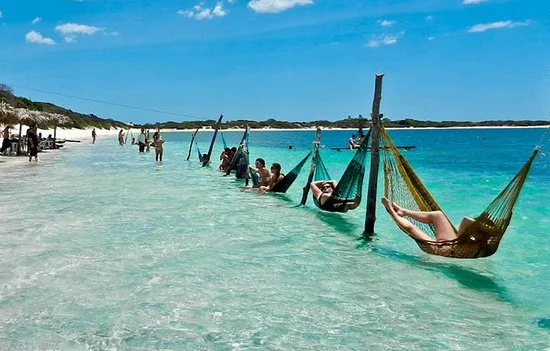
The tranquil shores of Jericoacoara, a beloved tourist destination in Brazil, face an unexpected challenge. A land dispute threatens this natural paradise in Ceará’s coastline. The conflict began in July 2023 when businesswoman Iracema Correia São Tiago claimed ownership of 80% of the village area.
Iracema’s claim stems from properties purchased by her ex-husband in 1983. These lands, known as Junco I and Junco II farms, overlap with Jericoacoara National Park. The park is a Brazilian landmark managed by the Chico Mendes Institute for Biodiversity Conservation.
The disputed area covers 73.5 hectares within the village’s total 88.2 hectares. Iracema acquired these lands during her divorce settlement in 1995. After four decades, she presented the deed to the Ceará Agrarian Development Institute (Idace).
Idace proposed a compromise, offering Iracema 38% of the land in exchange for ceding the rest to the state. This proposal sparked protests from residents and environmentalists. They feared losing their homes and the destruction of the area’s natural beauty.
The state then suggested keeping the entire village area under its management, but Iracema rejected this offer. On October 18, the Ceará State Attorney General’s Office (PGE-CE) announced a new agreement with Iracema.
Brazil’s Tourist Paradise Jericoacoara Caught in Complex Land Ownership Battle
Under this new deal, Iracema would relinquish 90% of her claimed land. This includes areas occupied by residents, businesses, and other structures. However, the implementation of this agreement is currently on hold for 20 days.
The Chico Mendes Institute stated they are aware of the situation. They emphasized that the tourist village lies outside the national park’s boundaries. The institute also noted that privately owned areas within conservation units undergo a land regularization process.
This land dispute highlights the delicate balance between development and conservation in popular tourist destinations. It underscores the importance of clear land ownership records and sustainable tourism practices. The outcome of this case could set a precedent for similar conflicts in Brazil’s protected areas.
This article was produced by The Rio Times’ automated newsroom system. How we use AI · Report an error
Read More from The Rio Times