IBOV 185,188.13 ▼ 0.01% IPSA 11,315.26 ▼ 1.14% IPC MEX 65,473.16 ▲ 0.91% MERVAL 3,058,093 ▼ 1.55% COLCAP 2,534.46 ▲ 1.81% BVL PERÚ 59,719.97 ▲ 0.43% USD/BRL5.10▲ 0.17% USD/MXN16.92▼ 0.32% USD/CLP930.46▼ 0.76% USD/COP3,142▼ 0.86% USD/PEN3.36▼ 0.03% USD/ARS1,508▼ 0.17% USD/UYU40.23▲ 1.13% USD/PYG5,924▲ 2.31% USD/BOB12.30▲ 4.75% USD/DOP58.46▼ 0.15% USD/CRC447.49▲ 1.34% USD/GTQ7.63▲ 2.30% USD/HNL26.84▲ 1.66% USD/NIO36.62▲ 0.71% USD/VES802.80▼ 0.13% USD/PAB1.00— 0.00% USD/BZD2.00— 0.00% USD/JMD 157.28 — 0.00% USD/TTD6.65▲ 0.05% EUR/BRL5.93▼ 0.58% BRENT 88.88 ▼ 0.03% WTI 83.11 ▼ 0.11% IRON ORE 161.91 — — COPPER 6.61 ▲ 0.03% GOLD 4,461 ▲ 1.78% SILVER 65.59 ▲ 1.26% SOY 1,184 ▲ 3.20% CORN 480.50 ▲ 10.02% WHEAT 655.00 ▲ 3.93% COFFEE 317.25 ▼ 5.51% SUGAR 16.43 ▼ 1.79% ORANGE JUICE 138.55 ▼ 0.47% COTTON 85.03 ▲ 2.33% COCOA 5,719 ▲ 3.18% BEEF 223.60 ▼ 3.93% CATTLE 339.10 ▼ 3.16% LITHIUM 75.20 ▲ 1.47% PETR4 41.64 ▼ 0.05% VALE3 72.97 ▲ 0.83% ITUB4 38.60 ▼ 1.03% BBDC4 16.85 ▲ 0.36% ABEV3 14.89 ▼ 0.80% BBAS3 19.37 ▲ 0.47% B3SA3 14.26 ▼ 0.21% WEGE3 47.59 ▲ 0.49% PRIO3 59.14 ▼ 0.19% SUZB3 41.33 ▲ 2.35% RENT3 34.68 ▼ 0.09% AZZA3 15.89 ▼ 2.63% CSAN3 3.22 ▼ 1.83% RAIZ4 0.25 — 0.00% PCAR3 2.75 ▼ 0.36% GMAT3 3.65 ▼ 1.08% PSSA3 48.13 ▼ 0.54% CVCB3 1.33 ▼ 2.92% POSI3 3.36 ▲ 2.44% SLCE3 13.34 ▲ 0.30% NATU3 8.14 ▼ 0.73% IBOV 185,188.13 ▼ 0.01% IPSA 11,315.26 ▼ 1.14% IPC MEX 65,473.16 ▲ 0.91% MERVAL 3,058,093 ▼ 1.55% COLCAP 2,534.46 ▲ 1.81% BVL PERÚ 59,719.97 ▲ 0.43% USD/BRL 5.16 ▲ 0.01% USD/MXN 17.06 ▼ 0.24% USD/CLP 913.98 ▲ 0.04% USD/COP 3,140 ▲ 0.03% USD/PEN 3.36 ▼ 0.66% USD/ARS 1,493 ▲ 0.10% USD/UYU 40.27 ▲ 1.24% USD/PYG 5,939 ▲ 1.68% USD/BOB 11.64 ▼ 0.76% USD/DOP 58.34 ▲ 1.25% USD/CRC 445.92 ▲ 0.89% USD/GTQ 7.62 ▲ 2.21% USD/HNL 26.79 ▲ 1.57% USD/NIO 36.62 ▲ 0.69% USD/VES 762.44 ▼ 0.13% USD/PAB 1.00 — 0.00% USD/BZD 2.00 — 0.00% USD/JMD 157.28 — 0.00% USD/TTD 6.70 ▲ 0.61% EUR/BRL 5.95 ▲ 1.01% BRENT 88.88 ▼ 0.03% WTI 83.11 ▼ 0.11% IRON ORE 161.91 — — COPPER 6.61 ▲ 0.03% GOLD 4,461 ▲ 1.78% SILVER 65.59 ▲ 1.26% SOY 1,184 ▲ 3.20% CORN 480.50 ▲ 10.02% WHEAT 655.00 ▲ 3.93% COFFEE 317.25 ▼ 5.51% SUGAR 16.43 ▼ 1.79% ORANGE JUICE 138.55 ▼ 0.47% COTTON 85.03 ▲ 2.33% COCOA 5,719 ▲ 3.18% BEEF 223.60 ▼ 3.93% CATTLE 339.10 ▼ 3.16% LITHIUM 75.20 ▲ 1.47% PETR4 41.64 ▼ 0.05% VALE3 72.97 ▲ 0.83% ITUB4 38.60 ▼ 1.03% BBDC4 16.85 ▲ 0.36% ABEV3 14.89 ▼ 0.80% BBAS3 19.37 ▲ 0.47% B3SA3 14.26 ▼ 0.21% WEGE3 47.59 ▲ 0.49% PRIO3 59.14 ▼ 0.19% SUZB3 41.33 ▲ 2.35% RENT3 34.68 ▼ 0.09% AZZA3 15.89 ▼ 2.63% CSAN3 3.22 ▼ 1.83% RAIZ4 0.25 — 0.00% PCAR3 2.75 ▼ 0.36% GMAT3 3.65 ▼ 1.08% PSSA3 48.13 ▼ 0.54% CVCB3 1.33 ▼ 2.92% POSI3 3.36 ▲ 2.44% SLCE3 13.34 ▲ 0.30% NATU3 8.14 ▼ 0.73%
since 2009
Thursday, September 3, 2026

Brazil Business - Brazil

Brazil’s Steel Industry on the Brink as Imports Surge, Warns Gerdau

By · September 5, 2025 · 2 min read

Daily Brief

The morning intel from across Latin America. Free.

By subscribing you agree to our privacy policy. We never share your email.

São Paulo, September 5, 2025 — Brazil’s once-robust steel sector faces an existential threat as cheap imports flood the domestic market and factory utilization plummets, according to André B. Gerdau Johannpeter, chairman of the board at Gerdau, one of the world’s largest steel producers.

In remarks published in Revista Oeste, Johannpeter painted a stark picture: steel imports—led by China—now account for nearly a quarter of Brazil’s consumption, up from around 10 percent just a few years ago.

Domestic mills are operating at just 65 percent of capacity, leaving more than one-third of furnaces idle and driving fixed costs to unsustainable levels.

This is the most turbulent year for Brazilian steel in decades,” Johannpeter said. “If these trends continue, we risk the complete demobilization of our national steelmaking chain.

Imports and Idle Capacity

  • 4.1 million tonnes of steel were imported through July 2025, a 24.4 percent rise over the same period in 2024.
  • China supplied nearly two-thirds of these imports, leveraging state subsidies to undercut local producers.
  • Steelmakers target 80–85 percent plant utilization to cover capital costs; Brazil’s current 65 percent rate sits well below that threshold, with idle capacity nearing 35 percent—nearly double the healthy margin.

Pressure on Trade Defenses

Despite recent hikes in import tariffs, anti-dumping measures have failed to curb the influx, industry insiders say. Loopholes in enforcement and tariff quotas have allowed predatory-priced steel to continue undercutting domestic production.
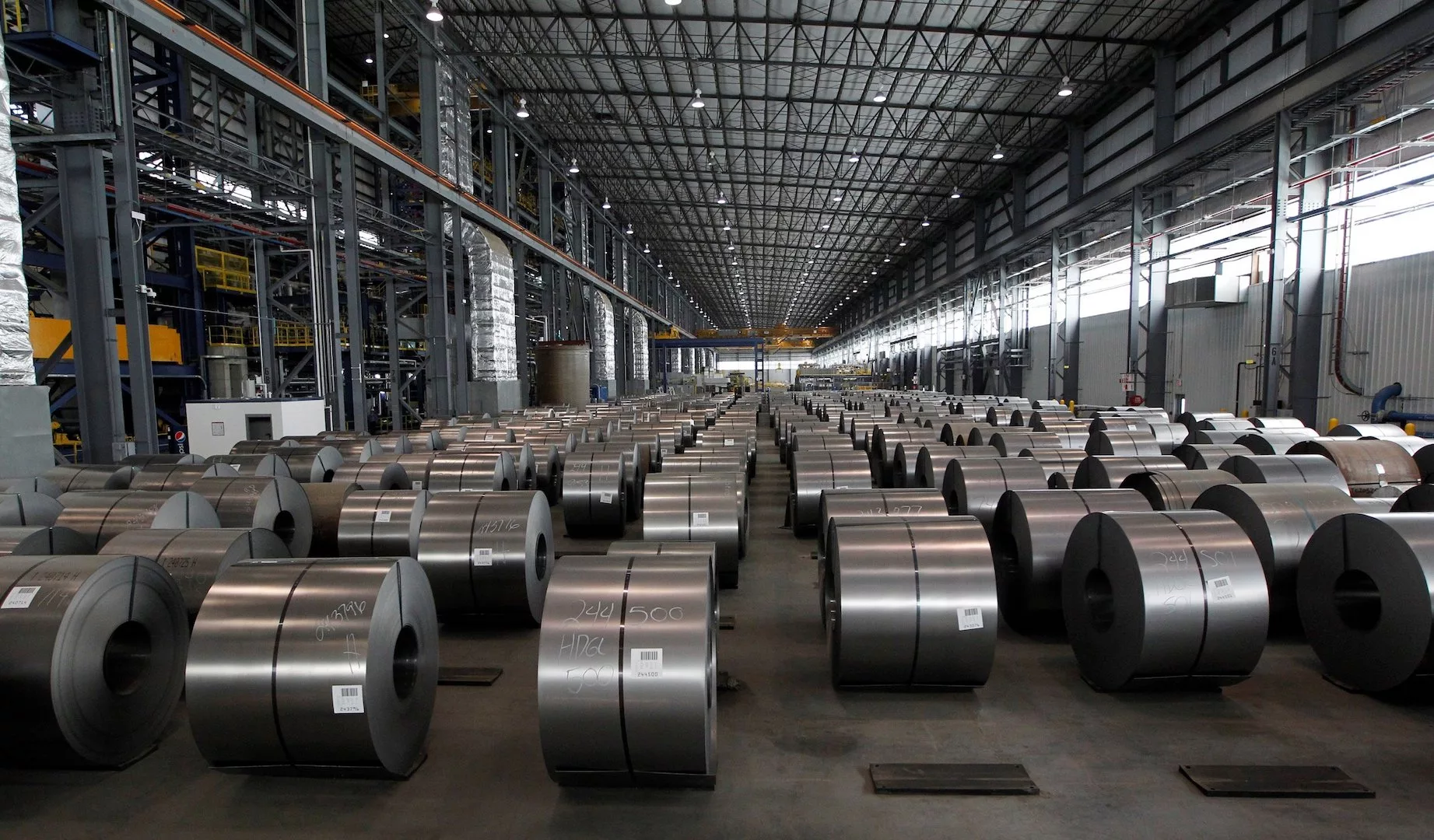
Brazil’s Steel Industry on the Brink as Imports Surge, Warns Gerdau
Brazil’s Steel Industry on the Brink as Imports Surge, Warns Gerdau. (Photo Internet reproduction)
RT
Ask Rio Times
Latin American markets, currencies and companies.
Open the full Ask Rio Times →

A federal anti-dumping probe into Chinese hot-rolled steel has been under way since June, but no decisive action has stemmed the tide.

Broader Economic and Geopolitical Strains

Brazil’s steelmakers face headwinds on multiple fronts:

  • Global Tensions: U.S. tariffs on Brazilian exports have disrupted trade flows, while shifting alliances in trade agreements leave Brazil vulnerable.
  • Domestic Demand: High interest rates and sluggish GDP growth have dampened construction and manufacturing activity, further weighing on domestic consumption.

Stakes for Jobs and Infrastructure

The steel sector underpins employment for hundreds of thousands across mining, production, logistics, and fabrication.

A collapse of local capacity would imperil these jobs and expose Brazil’s infrastructure agenda to supply disruptions and currency-driven price volatility.

Steel also feeds critical downstream industries—automotive, heavy machinery, appliances, and real estate development. “Without a stable domestic steel base, every major infrastructure and industrial project faces higher costs and greater uncertainty,” warns an industry analyst.

A Call for Decisive Policy

Executives and trade unions alike are calling on Brasília to:

  • Tighten enforcement of anti-dumping rulings and close tariff loopholes
  • Offer targeted incentives for modernization and greenfield investments
  • Forge strategic partnerships to diversify export markets

As Gerdau and peers shift capital toward better-protected markets abroad, Brazil stands at a crossroads: enact robust trade defenses and domestic support, or watch its historic steel industry become a relic of the past.

Live Company IntelligenceGerdau S.A — the full investor dossierInside: live share price, market cap, three-year financials, valuation, ESG and peer benchmarks — plus the latest Rio Times coverage.
G
◆ Live Company Intelligence
Gerdau
SA: GGBR4GGBR4Basic MaterialsSteel30,000 employees
R$49.88B
Market cap

Valuation & profitability

Market capR$49.88B
Revenue (TTM)R$69.54B
P / E ratio21.0
Profit margin3.2%
Return on equity4.2%

Price & risk

52-wk low
$15.78
52-wk high
$26.44
Beta (volatility)0.91
200-day average$21.85

Revenue trend · 6y

20202025
Latest R$69.86B

Ownership

Institutions48.3%
Shares outstanding1.25B

Dividend

Yield3.3%
Payout ratio26.3%
Fwd. annual$0.92
What Gerdau does. Gerdau S.A., together with its subsidiaries, operates as a steel producer company. It operates through Brazil Business, North America Business, and South America Business segments. The company offers rebars, bars, wires, thick plates, hot rolled coils, billets, blooms, plates, wire rods, and structural profiles. It also provides special steel products for agricultural,…
Data: RT fundamentals (GGBR4.SA) · figures in BRL · as of 3 Sep 2026More company intelligence →

This article was produced by The Rio Times’ automated newsroom system. How we use AI · Report an error

LatAm Markets: Live Signals → — real-time movers, turnover leaders and FX across Latin America.

Read More from The Rio Times

The Rio Times · Power Map
See who really holds power in Latin America
Click to open the Power Map

Rotate for Best Experience

This report is optimized for landscape viewing. Rotate your phone for the full experience.