In 2023, Brazil significantly increased its electric capacity by 8.4 gigawatts, with wind and solar sources contributing 90.4 percent to this growth.
This update comes from the Ministry of Mines and Energy MME.
Key regions like Rio Grande do Norte, Minas Gerais, and Bahía led the expansion. Each state added about 2 gigawatts.
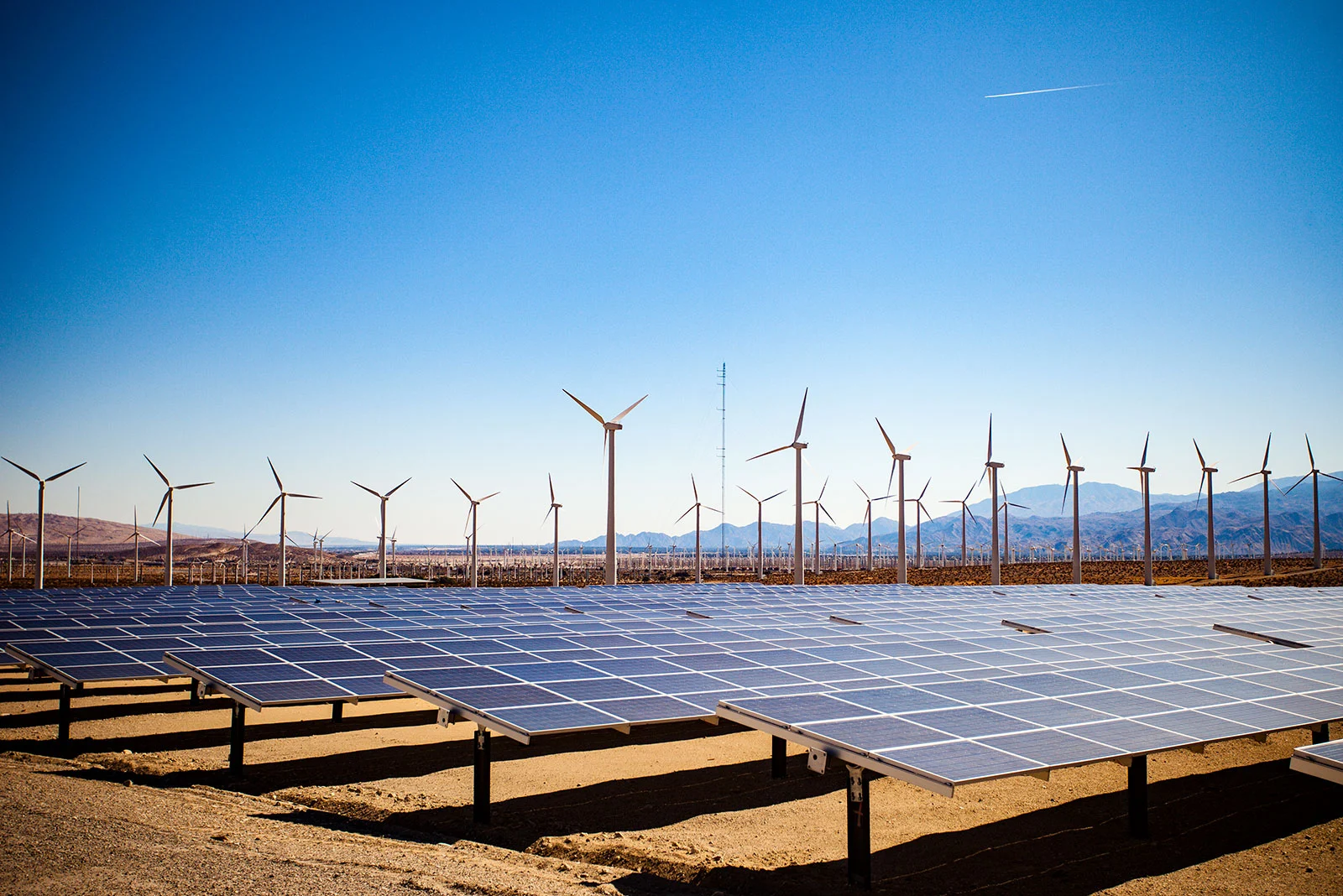
This growth mainly involved solar photovoltaic energy, reflecting Brazil’s focus on renewable energy.
To support this increase, Brazil enhanced its energy transmission network. The upgrades ensure efficient power delivery to high-demand areas in the southeast and south.
This improvement is crucial for a stable energy supply. Environmental experts emphasize the need for balance in this growth.
While renewable sources are eco-friendly, their expansion should not harm ecosystems. Careful planning is needed to protect biodiversity.
Economists highlight the potential for job creation in the renewable sector. They also note the importance of stabilizing energy prices.
For this, investment in storage and grid infrastructure is essential.
Social implications are also important. Supporting communities transitioning from traditional to renewable energy is vital for an inclusive shift.
Ensuring affordable energy access in rural areas is a priority. Brazil’s renewable energy efforts align with global sustainability goals.
However, a balanced energy mix, including non-renewable sources, is necessary. A strategic approach is needed for a responsible and smooth transition.
In summary, Brazil’s 2023 renewable energy growth marks a significant step towards sustainability.
Yet, it involves complex ecological, economic, and social considerations.
Thoughtful management and inclusive planning are key to ensuring a fair transition for all stakeholders.
More: Brazil news in English, every day from The Rio Times.
This article was produced by The Rio Times’ automated newsroom system. How we use AI · Report an error
Read More from The Rio Times