Brazil’s Diplomatic Stance Under Scrutiny as Blinken Visits
(Analysis) US Secretary of State Antony Blinken’s trip to Brazil marks a pivotal moment in the diplomatic interplay between the two nations.
This meeting with President Luiz Inácio Lula da Silva unfolds amid escalating tensions within the context of the G-20 foreign ministers’ meeting in Rio.
These arise from the Israel-Hamas conflict in Gaza, scrutinizing the foreign policies of both Brazil and the United States, albeit for varied reasons.
A diplomatic rift with Israel ensued after President Lula equated the Holocaust with the Gaza invasion, sparking a global uproar.
This comparison deviated from Brazil’s customary diplomatic stance, dishonoring the Holocaust victims’ memory.
Israeli Prime Minister Binyamin Netanyahu, in a retaliatory move, summoned Brazil’s ambassador for admonition and branded President Lula persona non grata in Israel.
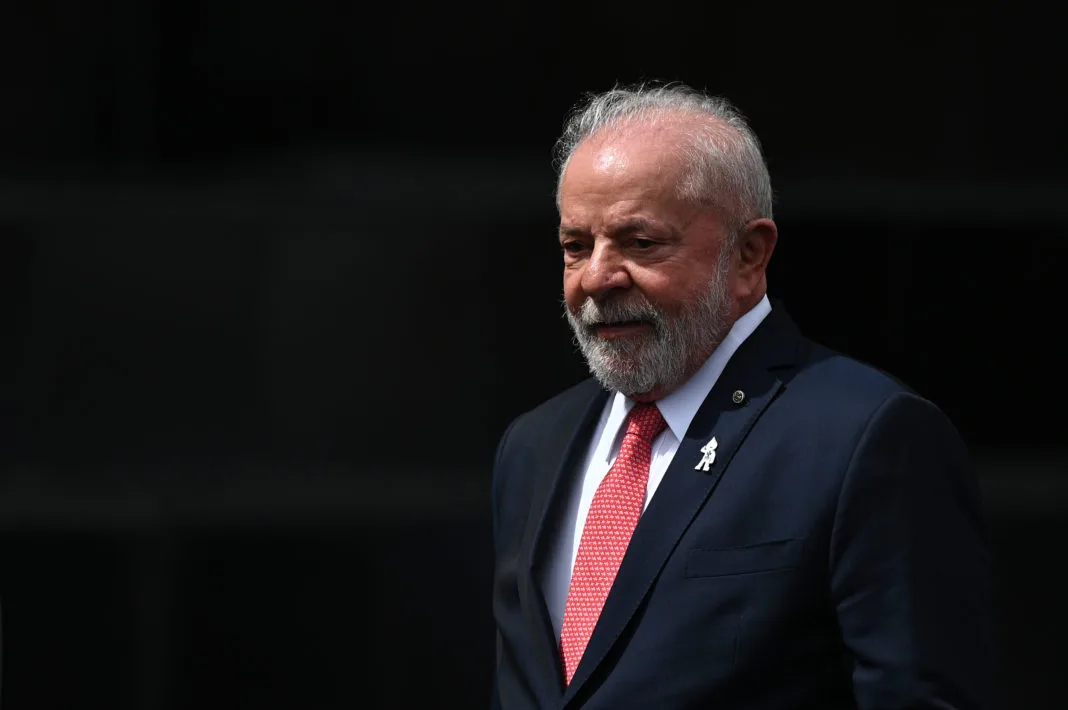
Lula recalled the Brazilian ambassador in a countermove, indicating a downturn in bilateral relations.
President Lula’s tenure has been notable for his vigorous efforts to reposition Brazil prominently on the international stage, with climate change as a central focus.
Nonetheless, his administration’s actions, including the political rehabilitation of Nicolás Maduro and controversial remarks on the Ukraine-Russia conflict, have drawn criticism for veering away from strategic wisdom.
Discontent among the Democratic base
Concurrently, the United States, under President Joe Biden, faces challenges with its steadfast support for Israel amid the Gaza strife.
This position has provoked discontent among the Democratic base, especially among pivotal younger voters.
Biden’s dilemma involves maintaining traditional Israeli support while accommodating a varied electorate’s demands amidst endeavors to broker a ceasefire and advocate for a Palestinian state’s establishment.
The dialogue between Lula and Blinken highlights the intricacies of their countries’ bilateral relations.
While shared interests in climate change and labor unite Brazil and the US, diverging perspectives on global alliances and geopolitical strategies introduce obstacles.
As Brazil seeks to navigate its role among major global powers, its strategy in international relations mirrors the intricate task of upholding strategic independence while cultivating beneficial global alliances.
More: Brazil news in English, every day from The Rio Times.
This article was produced by The Rio Times’ automated newsroom system. How we use AI · Report an error
Read More from The Rio Times