Brazil’s Boost for Family Farming Modernization
Recently, the Brazilian government announced an ambitious industrial policy aimed at revolutionizing the country’s agricultural sector.
This initiative pledges R$20 ($4) billion towards modernizing family farming through mechanization.
As part of the “Nova Indústria Brasil” program, it supports sustainable food, energy, and nutrition security projects.
A central goal of this program is to raise the level of mechanization in family farming from 18% to 70% by 2033.
The plan puts emphasis on domestic production and sets a requirement that 95% of the machinery and equipment for family agriculture must be locally manufactured.
This strategy aims to bolster agricultural productivity and fortify Brazil’s machinery industry.
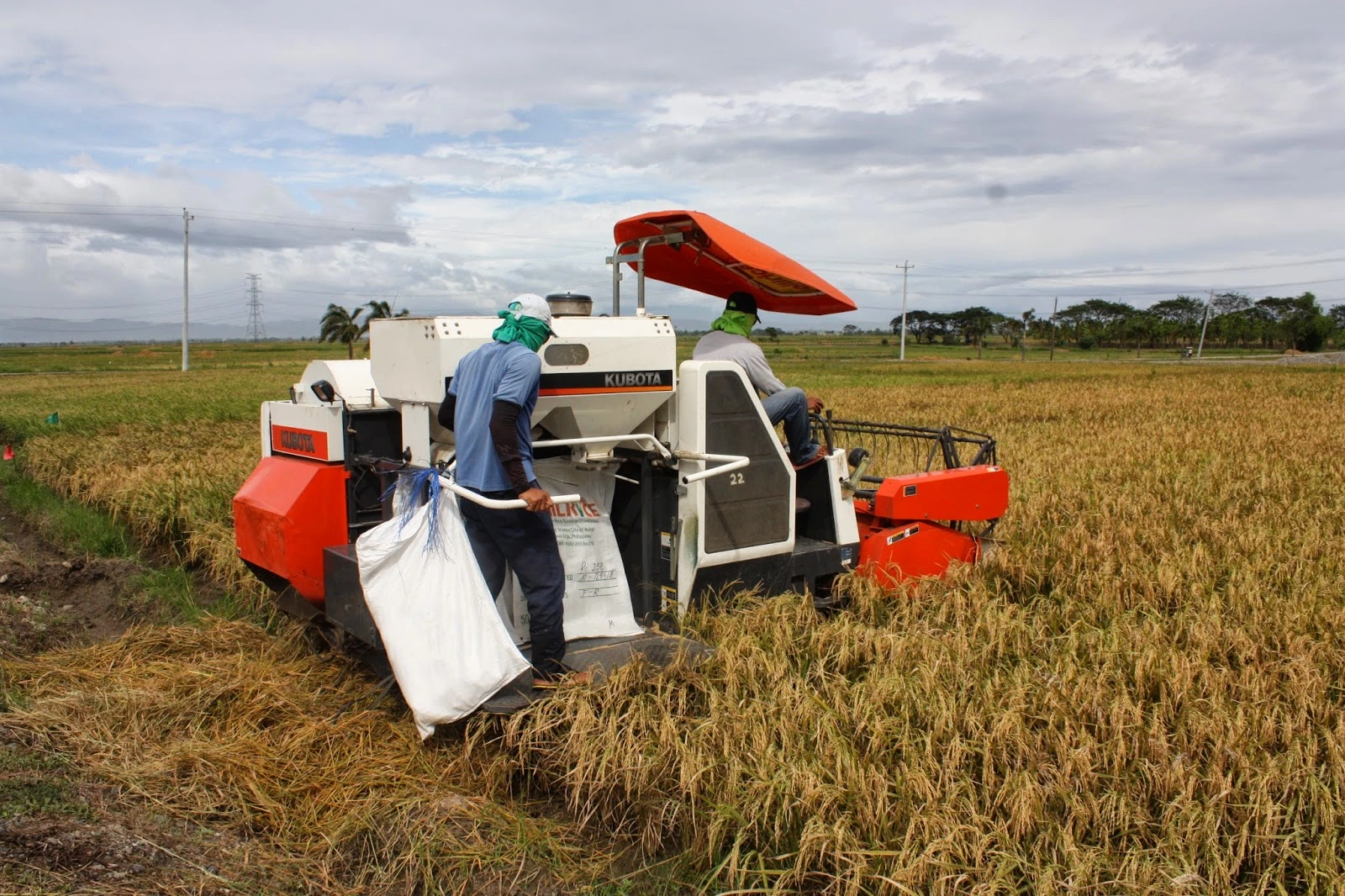
The program also emphasizes precision agriculture equipment and biofertilizer production.
The Farming Ministry (MDIC) has outlined financial support for projects integrating advanced technologies in fertilizers, pesticides, biomass products, and genetic improvements.
These efforts are directed towards reducing the agricultural sector’s carbon footprint.
Additionally, the policy includes provisions for biotechnological solutions in plant and animal nutrition and protection.
Financial support is available for purchasing family farming machinery, with specific terms for repayment and interest rates.
Further, the MDIC plans to enhance key initiatives such as the Food Acquisition Program (PAA) and the National School Feeding Program (Pnae).
It also aims to streamline port fees and improve the guarantee system.
The overarching objective is to elevate the agro-industrial sector’s contribution to agricultural GDP from 23% to 50% by 2033.
Background
This policy marks a significant commitment by the Brazilian government to modernize agriculture and promote sustainable growth.
The mechanization of family farming is expected to enhance agricultural productivity, economic viability, and sustainability.
It reduces reliance on manual labor, contributes to rural economic development, and enables family farms to compete more effectively in the market.
The broader impacts include improved food security, rural economic growth, and a transition towards eco-friendly farming practices.
More: Brazil news in English, every day from The Rio Times.
This article was drafted with automated assistance and reviewed before publication. How we use AI · Report an error
Read More from The Rio Times