Brazilian Poultry Exports Surge in April
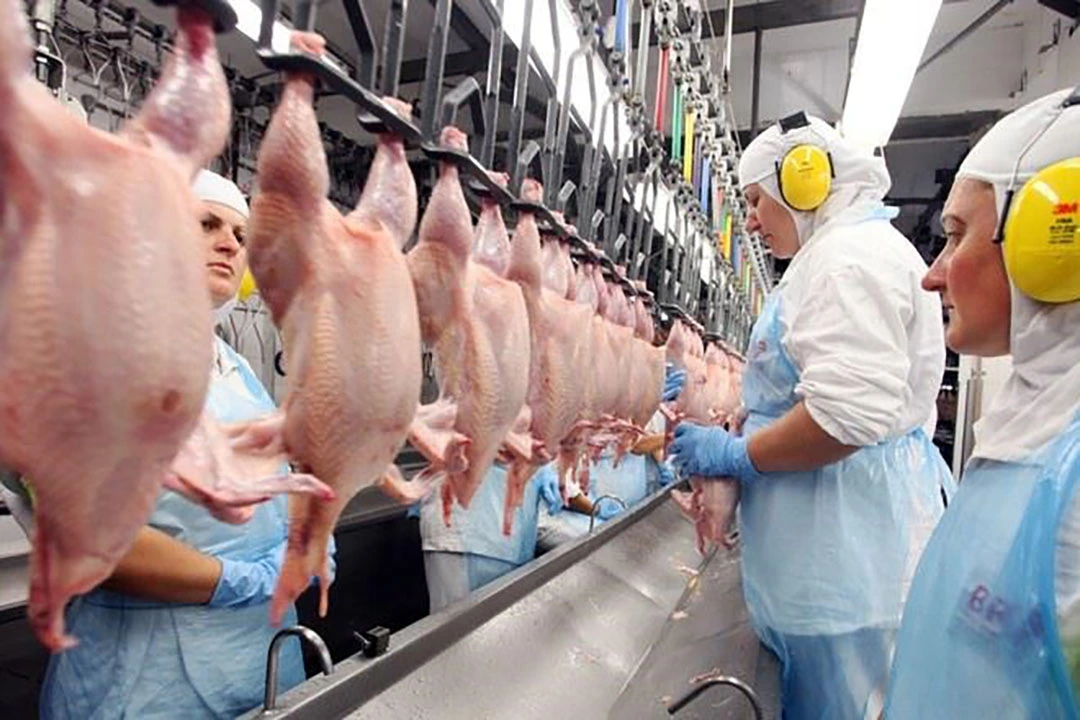
In the brisk month of April, Brazil’s poultry industry witnessed a significant surge, shipping 480,700 metric tons of chicken.
This represents a robust 10.5% increase over the prior year. Revenue also climbed by 5% to $882.2 million, marking a successful period despite global challenges.
During the initial four months of 2024, total shipments slightly dropped by 2.8%, culminating in 1.701 million metric tons.
This period yielded revenues of $3.024 billion, reflecting a decline of 11.4% compared to the previous year.
Ricardo Santin, ABPA‘s president, shared insights into these dynamics. He highlighted the strategic balance achieved through April’s exports, which bolstered the industry’s outlook for the year.
Notably, he pointed out the potential impacts of recent natural disasters in Rio Grande do Sul, a key state in Brazil’s export framework.
Luis Rua, the market director at ABPA, emphasized the Middle East as a particularly vibrant market this year.
Brazilian Chicken Experiences Global Surge
The region has shown a consistent uptick in demand, aligning with a gradual price stabilization across global markets. These trends signify a growing international appetite for Brazilian chicken.
China, traditionally the largest buyer, reduced its intake by 22.9% to 57,700 metric tons in April. Conversely, Japan increased its orders to 42,200 metric tons.
Other notable increases were seen in the United Arab Emirates, Saudi Arabia, and the Philippines, which imported significantly more than in the previous year.
Domestically, Paraná led with 196,700 metric tons exported, an increase from the previous April.
Other states like Santa Catarina and Rio Grande do Sul also reported substantial gains, whereas São Paulo and Goiás adjusted to shifting market dynamics.
This narrative not only reflects a month of achievement but also underscores the resilience and adaptability of Brazil’s poultry sector.
These dynamics have profound implications, influencing trade balances and shaping economic strategies in the face of global uncertainties.
More: Brazil news in English, every day from The Rio Times.
This article was produced by The Rio Times’ automated newsroom system. How we use AI · Report an error
Read More from The Rio Times