Brazil’s Finance Pick Faces Conflict Rules
Brazil’s conflict-of-interest law was written for moments like this, and its text points to a clean break between the banker and the bank.

Brazil · Brief
President Luiz Inácio Lula da Silva named Luiz Carlos Trabuco Cappi, chairman of Bradesco, one of Brazil’s biggest private banks, as finance minister on Thursday 26 November 2026. Bradesco confirmed the nomination in a notice to investors.
Readers abroad should care because Bradesco files an annual report on Form 20-F with the US Securities and Exchange Commission, and Brazil’s finance minister sets the budget course that drives the real and the bond market. Before he can take office, a federal conflict-of-interest law will test how cleanly he separates from the bank.
Key Facts
- Who. Luiz Carlos Trabuco Cappi, Bradesco chairman and its chief executive from 2009 to 2018.
- What. Named finance minister; a federal conflict-of-interest law may force him to leave the bank.
- When. Named on 26 November 2026; takes office from 2027.
- Power Index. Brazil ranks 1st of 14 in The Rio Times Latin America Power Index, with 74.2 points (November 2026 edition).
- As of. 27 November 2026, 17:41 GMT
Brazil’s conflict-of-interest law was written for moments like this, and its text points to a clean break between the banker and the bank.
Trabuco led Bradesco as chief executive from 2009 to 2018 and now chairs its board. He would replace Dario Durigan, the current finance minister.
Investors had already been in a buying mood: Brazil’s stock index rose 6.07% on Thursday 26 November 2026, according to the market close. Our report on the appointment sets out the political side.
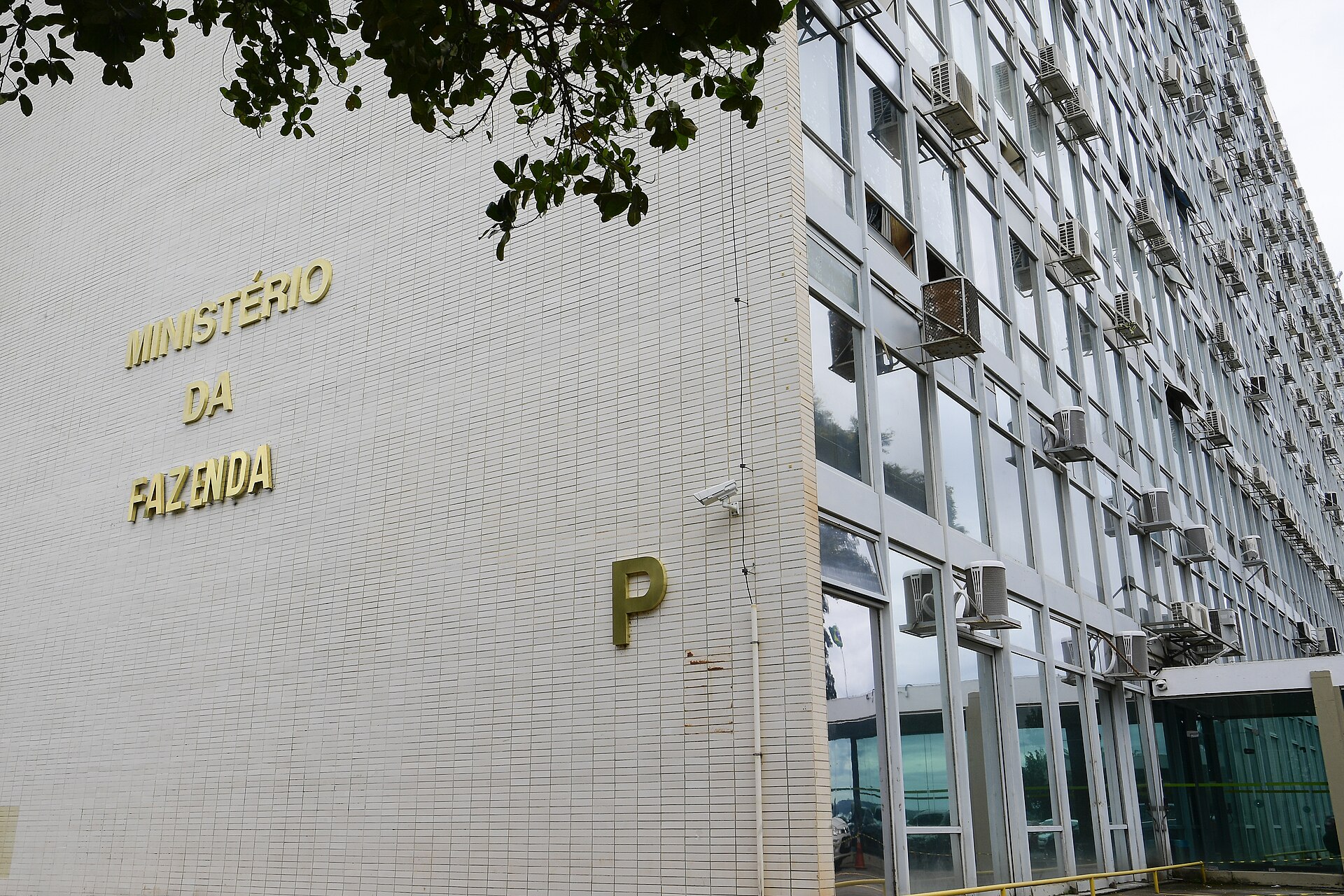
The rules sit in Lei 12.813, the federal conflict-of-interest law of 16 May 2013, whose text we opened on the government’s legal portal. Article 2 covers ministers of state, and Article 3 defines a conflict as “the situation created by the clash between public and private interests that could compromise the collective interest or improperly influence the performance of the public function”.
Article 4 adds that a conflict exists whether or not public assets are harmed or anyone gains. Article 5 lists activity incompatible with the post, and acting in favour of a company in which the official, a spouse or relatives up to the third degree take part.
Bradesco’s own filing shows why this is not abstract. In its annual report on Form 20-F, the filing foreign companies make with the US Securities and Exchange Commission, the bank said on 25 March 2026 that its directors and executives together held 0.90% of capital through the holding company BBD Participações S.A. at the end of 2025, and that none individually or jointly owned more than 1.0% of any class of shares.
We have not confirmed Trabuco’s own holding. Our reading, and not the law’s wording, is that Articles 5 III and 5 V would require him to give up his board seat and any private-sector role before taking office, and possibly to put his Bradesco shares under independent management or step aside from decisions that could benefit the bank.
The Public Ethics Commission, the federal government’s ethics watchdog, judges such cases under Article 8 and can order measures to end a conflict. No ruling on Trabuco has been published.
Precedent exists. In 2019 the commission was reported to have recommended that then economy minister Paulo Guedes leave his offshore investments unchanged while in the post, and the case became controversial in 2021 after the Pandora Papers, a leak of offshore financial records.
Bradesco did not say who would succeed him as chairman; its internal rules point to vice-chair Alexandre da Silva Glüher. Our earlier report that the Bradesco chairman was floated for the post shows how long the idea had circulated.
The law also bars a former official, for six months after leaving office, from serving firms he dealt with in office unless the commission allows it. The next step to watch is the commission’s decision.
Frequently Asked Questions
Can Trabuco stay on Bradesco’s board as minister?
Our reading of the law is that he cannot, because it bars activity incompatible with a ministerial post. The ethics commission has not yet ruled.
Why does a US reader need to follow this?
The finance minister’s budget choices move the real and Brazil’s bonds, and Bradesco reports to US regulators. A messy separation could raise questions about both.
Sources
Sources
- Lei 12.813 of 16 May 2013 (federal conflict-of-interest law)
- Bradesco annual report on Form 20-F, filed with the US Securities and Exchange Commission on 25 March 2026, section 6.E
- Bradesco notice to investors on the nomination (not opened by us)
- market close of the Brazilian stock index on 26 November 2026
This article was produced by The Rio Times’ automated AI newsroom. Editorial responsibility: Matthias Camenzind, Publisher and Editor-in-Chief. The Rio Times also runs Ask Rio Times, which answers from 100,000+ of our own articles, the daily Latin America Power Map, and prediction-market odds on elections and markets.. How we use AI · Report an error
Brazil runoff, Sunday, October 25: Brazil runoff date. Latest: Brazil runoff polls, Flávio 51%, Lula 49%.