Brazil Audit Court Drops Dilma Fiscal Fines
No former official will pay a fine for the 2014 budget decisions, but the verdict on the accounts stays. Congress, which has the last word on those accounts, had not finished its review.

Politics: Brazil
Brazil’s Federal Audit Court, known as the TCU, voted unanimously on Wednesday 25 November 2026 to waive fines against former President Dilma Rousseff and her economic team over 2014 budget decisions. The court, which checks how the federal government spends public money, archived a complaint almost 12 years old without punishing anyone.
The ruling leaves untouched the court’s earlier rejection of the government’s 2014 accounts, the verdict that fed into Rousseff’s impeachment. Fines were the remaining personal penalty in this case.
Key Facts
- Who. The TCU, Brazil’s federal audit court, and ex-President Dilma Rousseff with three former aides.
- What. Fines waived and case archived; the rejection of the 2014 accounts stands.
- When. Wednesday 25 November 2026, by a unanimous vote.
- Power Index. Brazil ranks 1st of 14 in The Rio Times Latin America Power Index, with 74.2 points (November 2026 edition).
- As of 26 November 2026, 18:30 GMT.
No former official will pay a fine for the 2014 budget decisions, but the verdict on the accounts stays. Congress, which has the last word on those accounts, had not finished its review.
The Senate voted on 31 August 2016 to remove Rousseff, a Workers’ Party leader, after the TCU found that her 2014 accounts broke budget rules. The Workers’ Party is also the party of today’s president, Luiz Inácio Lula da Silva.
The case now closed began in December 2014, when Aécio Neves, then a senator and the opposition candidate Rousseff had just beaten, filed a complaint with other lawmakers. It challenged how the government met its fiscal target, opened extra credits by decree and held back spending.
Congress has the last word on presidential accounts, and the TCU only advises it. The court gave that advice in October 2015, recommending rejection, and Congress had not concluded its review when the court ruled.
The court’s technical staff found that the government had to freeze at least R$28.8 billion (about US$5.0 billion at the closing exchange rate of 26 November) to meet its fiscal target. That target was a primary surplus, the budget balance before debt interest, of R$116.1 billion (about US$20.2 billion).
In November 2014 the government sent Congress a bill letting it deduct certain spending from that target in full, and Congress approved it in December. The TCU held that the duty to limit spending stayed in force until then.
The staff also said the budget decree ignored Labour Ministry warnings of R$9.2 billion (about US$1.6 billion) in extra unemployment-insurance and wage-bonus spending. It flagged a R$5.3 billion (about US$0.9 billion) revenue shortfall in the workers’ support fund, FAT.
Minister Odair Cunha, who reported the case, wrote on 25 November: “The case file does not show intent or gross error in the conduct charged, which is why I set aside the fines” (translated from Portuguese). He cited the technical and legal opinions behind the decisions and the economic circumstances of the time.
Rousseff, former Finance Minister Guido Mantega and Miriam Belchior, now Lula’s chief of staff, argued that technical and legal opinions backed their acts. They said earlier governments had used the same practice and the court had not objected.
Minister Augusto Nardes, who reported the 2014 government accounts, backed Cunha’s vote but reminded the court that it had unanimously backed that rejection. The ruling itself leaves that rejection unchanged.
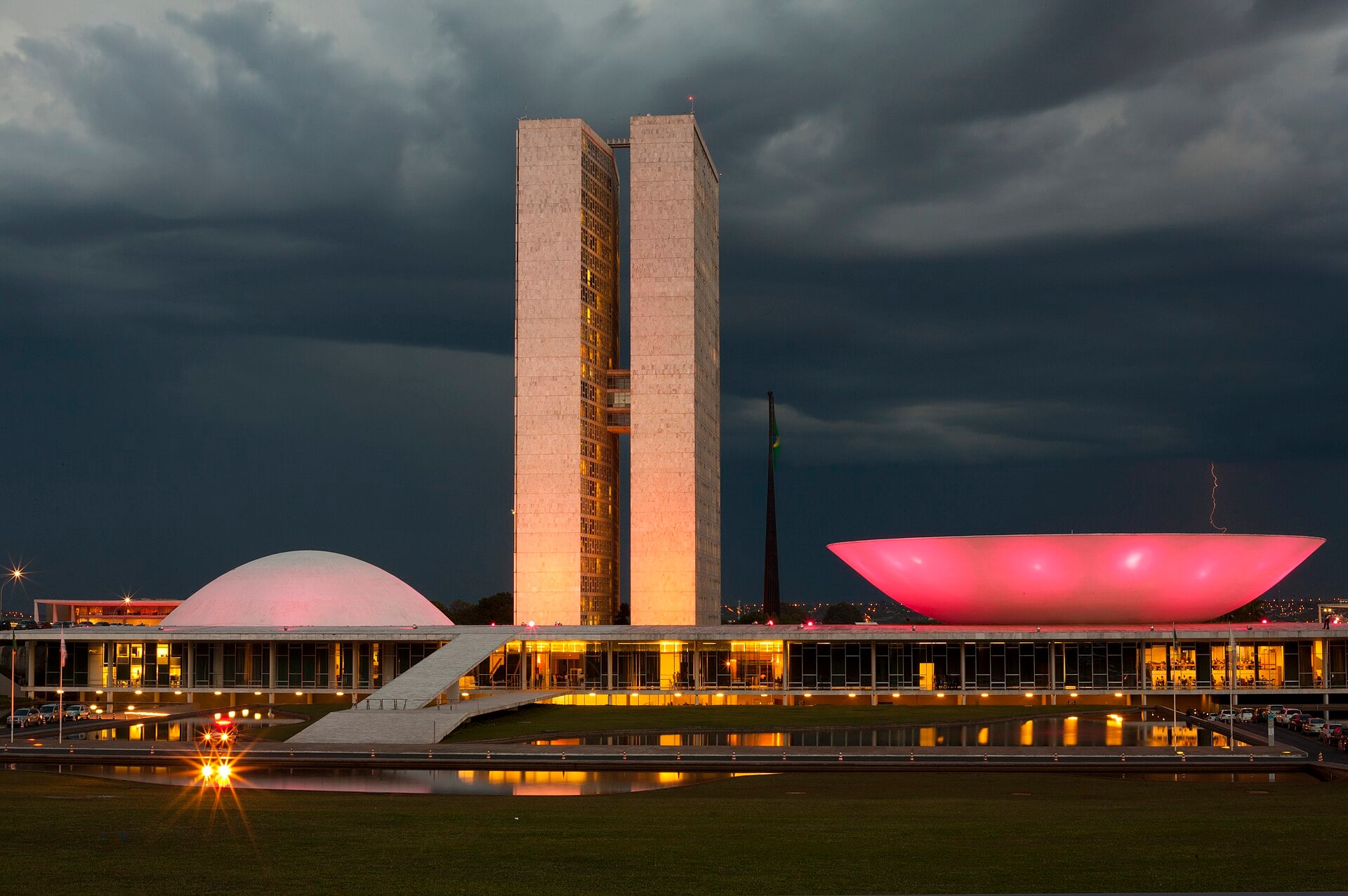
Former Treasury secretary Arno Augustin was also named in the case. It took almost 12 years to close, and the ruling comes ten years after the Senate vote that removed Rousseff.
The practical effect is narrow: no former official owes money, and the finding against the 2014 accounts stays on record. The ruling concerns 2014 events only, and nothing in it alters a fiscal rule or target in force today.
The standard the court applied is the part that carries beyond this case: individual fines need proof of intent or gross error, not just a breached target. For an investor in Brazilian debt, that means a shortfall of R$28.8 billion (about US$5.0 billion) in the spending freezes required in 2014 led to a political and accounting verdict, but no personal bill.
The sources available do not say whether anyone will appeal. The date on which Congress will resume its review of the 2014 accounts is not confirmed, and no second checkpoint has been announced.
Frequently Asked Questions
Does this clear Rousseff of the 2014 budget breaches?
No. The court dropped the fines only, and its rejection of the 2014 accounts stands.
Who decides on the 2014 accounts now?
Congress has the final word on presidential accounts. It had not concluded its review when the TCU ruled.
Why did the court spare the officials?
The rapporteur found no proof of intent or gross error in their individual conduct. The fines needed that proof.
Sources
Published Thursday 26 November 2026 · Source: plenary session of Brazil’s Federal Audit Court (Tribunal de Contas da União) of 25 November 2026, vote of Minister Odair Cunha; BRL/USD closing rate of 26 November 2026 · Tribunal de Contas da União
Connected Coverage
Brazil news · Lula Signs Brazil’s Fiscal Bill Into Law · Brazil Raises Deficit Forecast to US$15B
This article was produced by The Rio Times’ automated AI newsroom. Editorial responsibility: Matthias Camenzind, Publisher and Editor-in-Chief. The Rio Times also runs Ask Rio Times, which answers from 100,000+ of our own articles, the daily Latin America Power Map, and prediction-market odds on elections and markets.. How we use AI · Report an error
Brazil runoff, Sunday, October 25: Brazil runoff start time and results schedule. Latest: Brazil runoff polls, Flávio 51%, Lula 49%.